Organizations join forces to fund research on the effects of air pollution and climate change in lung cancer
NEW YORK, NY (September 23, 2025) – The Lung Cancer Research Foundation (LCRF) and Oncology Advocates United for Climate and Health – International (OUCH-I) are partnering to fund projects that examine the impact of environmental pollution and climate change on lung cancer risk, diagnosis, treatment and outcomes; along with innovative strategies to mitigate these effects. The program, titled OUCH-International and LCRF Research Grant Program on the Effects of Air Pollution and Climate Change on Carcinogenesis and Lung Cancer Prevalence, is sponsored by AstraZeneca. A $200,000 award over a two-year period will be granted, and the Request for Proposals will open early in 2026.
Increasing evidence indicates that air pollution is a major cause of lung cancer, and the number of estimated lung cancer deaths attributable to air pollution has increased by nearly 30% since 2007, as smoking has decreased and air pollution has increased (Turner MC et al, CA Cancer J Clin, 2020). The International Agency for Research on Cancer (IARC) has classified outdoor air pollution and particulate matter (PM) with a diameter of less than 2.5 microns (1 inch = 25,400 microns) as a cause of lung cancer (Straif K et al, IARC Press, 2013; Loomis D et al, Lancet Oncol, 2013; GBD 2019 Risk Factors Collaborators, Lancet, 2020). Data now show that exposure to pollution—whether from industrial sources or wildfires—increases the risk of lung cancer in both smokers and non-smokers (Hill et al, Nature, 2023). Globally, outdoor (ambient) air pollution is regarded as the second most important cause of lung cancer mortality, and indoor air pollution is considered the seventh most important cause (GBD 2019 Risk Factors Collaborators, Lancet, 2020).
Air pollution causes many health hazards, can contribute to the development of lung cancer, and can worsen its prognosis. Awareness that exposure to air pollution is the second-largest risk factor for lung cancer needs to be at the forefront of the lung cancer community—to recognize its risks and to educate patients and the healthcare community at large.
“Understanding and identifying ways to mitigate the risk of developing lung cancer as a result of air pollution is a pressing issue,” remarked Joan Schiller, MD, Founder of OUCH-International and long-time member of LCRF’s Board of Directors. “Bringing together LCRF and OUCH-International to award these grants is an important step in increasing early detection of lung cancer. I’m grateful to AstraZeneca for sponsoring this very important program.”
“AstraZeneca is proud to partner with LCRF and OUCH-International in such a crucial area of lung cancer research,” said Nabil Chehab, Medical Affairs Head of AstraZeneca’s Lung Cancer Franchise. “Unlocking the impacts of pollution and climate change on lung cancer will enable the oncology community to better support education, detection, diagnosis, and treatments for every patient at every stage. This partnership will undoubtedly enhance our understanding and enable another step forward toward increasing survival for people living with lung cancer.”
“This collaboration will help us to understand how the air we breathe can increase our risk for developing lung cancer,” said Aubrey Rhodes, Executive Director of LCRF. “Dr. Schiller and her OUCH-International colleagues’ expertise and pursuit of solutions for the lung cancer community will help to improve the body of research that informs how lung cancer is detected, diagnosed, and treated.”
# # #
About the Lung Cancer Research Foundation (LCRF) The Lung Cancer Research Foundation® (LCRF) is the leading nonprofit organization focused on funding innovative, high-reward research with the potential to extend survival and improve quality of life for people with lung cancer. LCRF’s mission is to improve lung cancer outcomes by funding research for the prevention, diagnosis, treatment, and cure of lung cancer. To date, LCRF has funded 431 research grants, totaling nearly $49 million, the highest amount provided by a nonprofit organization dedicated to funding lung cancer research. For more information about the LCRF grant program and funding opportunities, visit LCRF.org/research.
About Oncology Advocates United for Climate and Health – International (OUCH-I) OUCH is the only non-profit, nonpartisan volunteer cancer organization focused on mitigating the effects of climate change on cancer care. Our mission is to advance awareness, actions, and policies that mitigate the effects of climate change on cancer care, and our pillars include advocacy, education and outreach research, cancer care delivery, sustainability, and resilience, and climate justice and health equity. Our members include oncology health care professionals (e.g. MDs, PhDs, RNs, pharmacists, social workers, researchers, patient advocates) who are interested in mitigating the effects of climate change on cancer. We currently have over 150 members representing 27 states and 23 different countries, including six oncology professional societies.
Contact: LUNG CANCER RESEARCH FOUNDATION Sheila Sullivan Sr. Director, Marketing & Communications ssullivan@LCRF.org
OUCH – INTERNATIONAL Joan H. Schiller, MD 608-469-6992 joanhschiller@gmail.com ouchforclimate.org
The Lung Cancer Research Foundation’s annual Evening of Innovation gala celebrated scientific discovery and the remarkable people who have contributed to the progress being made in the lung cancer space. The event raised more than $1.6 million to accelerate research, improve outcomes, and bring hope to countless families affected by lung cancer.
This year’s gala, held at Cipriani 25 Broadway on Sept. 17, honored Raymond E. Chalmé, a dedicated advocate for lung cancer research. Ray, along with his family, founded Elliot’s Legacy – a community kite-flying event named for his father, who died of lung cancer at the age of 56. Elliot’s Legacy has raised more than $8.5 million over the past 18 years.
Joan H. Schiller, MD, received the Founders Award for her visionary work to improve lung cancer outcomes. Dr. Schiller gave a voice to the lung cancer community when she founded Free to Breathe, a nationwide movement raising awareness and funds to support critical research.
Dr. Schiller receives the Founders Award from presenter Sharon Munger
Gala honoree Ray Chalmé (left) with his brother, Richie Chalmé
Benay Taub shared a powerfuland poignant personal story of her experience receiving a lung cancer diagnosis just last year. Her words touched everyone in the room as she called for all the attendees to support lung cancer research funding.
Will Reeve, the son of Christopher and Dana Reeve, made a surprise appearance, sharing with attendees about his mother’s experience with her diagnosis of Stage 4 lung cancer as well as their experience as a family, both through the diagnosis and the loss of his mother from the disease.
While this year’s event was a celebration of the progress made in lung cancer research, each of the speakers underscored the urgent need for more funding for lung cancer – it remains the deadliest of all cancers and the most underfunded. While we have come so far, there is still much work to be done.
LCRF’s science team talks about the role of the Scientific Advisory Committee and the importance of involving young scientists in lung cancer research. Watch the video below.
Featured: Aubrey Rhodes, LCRF Executive Director Dhru Deb, PhD, Senior Director, Research & Administration Antoinette (Toni) Wozniak, MD, Chief Scientific Officer
The U.S. Food and Drug Administration (FDA) has granted accelerated approval to zongertinib for the treatment of adult patients with unresectable or metastatic non-squamous non-small cell lung cancer (NSCLC) whose tumors have HER2 (ERBB2) mutations and who have received prior systemic therapy. This is the first oral tyrosine kinase inhibitor (TKI) that has been approved for this indication.
Why it’s important
Alterations in the HER2 gene have been associated with the development and spread of cancer. HER2 mutations occur in about 2-4% of patients with NSCLC. In the past two decades, several clinical trials have investigated the use of anti-HER2 therapies in lung cancer but have led to disappointing results. In 2022, the FDA granted accelerated approval to trastuzumab deruxtecan for patients with unresectable or metastatic NSCLC whose tumors have HER2 mutations and who have received prior therapy. This drug is an antibody drug conjugate, which is a form of “targeted chemotherapy”, and is the only other agent approved for HER2 mutated NSCLC.
Zongertinib is an oral TKI that specifically targets HER2. In the Beamion LUNG-1 (NCT04886804) clinical trial 75 patients with previously treated, metastatic NSCLC containing a HER2 mutation were given zongertinib. An impressive 71% of the patients had significant shrinkage of their cancer, and the response lasted for over a year (14 months) for many of the patients. (NEJM, 2025) The most common side effects included diarrhea, liver toxicity, rash, fatigue, and nausea. Of note, pneumonitis (inflammation of the lungs) was not seen as a side effect.
What it means for patients
Zongertinib represents a large step forward in the treatment of NSCLC patients with HER2 mutations. Since this is an accelerated FDA approval there will be more trials that will be performed to confirm the effectiveness of the drug.
What to look for
It is likely that zongertinib will be evaluated as initial treatment for patients with HER2 mutated NSCLC in upcoming clinical trials with the hope that it will be more effective than chemotherapy as a first treatment. We could also see the evaluation of zongertinib in combination with other agents such as chemotherapy. It is also important to remember that the drug is unlikely to be a cure for these patients and that there is still an urgent need to continue research efforts to determine why cancer cells are or become resistant to treatment. Expect that the development of novel drugs for this type of lung cancer will continue in the future.
The U.S. Food and Drug Administration (FDA) has granted accelerated approval to sunvozertinib for the treatment of adult patients with advanced or metastatic non-small cell lung cancer (NSCLC) with epidermal growth factor receptor (EGFR) exon 20 insertion mutations, whose disease has progressed on or after platinum-based chemotherapy.
Why it’s important
EGFR mutations are present in 15-20% of NSCLC. These mutations are drivers of cancer development and have been successfully targeted with tyrosine kinase inhibitors (TKIs) that reduce cancer growth and improve patient survival. Not all EGFR mutations are created equally. The most common EGFR mutations are in exons 19 and 21 and they are the most responsive to treatment with the EGFR-TKIs. EGFR exon 20 insertion mutations represent about 10% of all EGFR mutations. The agents available for the treatment of the more common EGFR mutant lung cancers have not been as successful in most of the lung cancers that harbor an EFGR mutation. The current first-line treatment of advanced EGFR exon 20 insertion mutant lung cancer is amivantamab (an antibody that binds to both EGFR and MET) combined with chemotherapy. There are no approved treatments after the initial therapy fails.
Sunvozertinib is an oral TKI that specifically targets the EGFR exon 20 insertion mutation. In the WU-KONG1B (NCT03974022) clinical trial 85 patients with previously treated, metastatic NSCLC containing EGFR exon 20 insertion mutations were given sunvozertinib. Nearly half of the patients (46%) had significant shrinkage of their cancer, and the response lasted for nearly a year for many of the patients. The side effects included gastrointestinal toxicities (diarrhea, constipation, nausea, vomiting), skin rash and dryness, mouth sores, eye problems, fatigue, and pneumonitis (inflammation of the lungs).
What it means for patients
NSCLC with EGFR exon 20 insertion mutations have been difficult to treat because they do not respond well to the EGFR TKIs used for lung cancers containing the more common EGFR mutations. The FDA approval of sunvozertinib represents some progress in the treatment of this subtype of NSCLC.
What to look for
There will likely be more trials evaluating sunvozertinib in combination with other agents or possibly as initial therapy for patients with advanced NSCLC who have EGFR exon 20 insertion mutations. Expect that the development of novel drugs for this particular type of lung cancer will continue.
Nineteen years after Elliot Chalmé A”H passed away from lung cancer, he continues to inspire action and hope.
The 18th annual Elliot’s Legacy Kites for a Cure, a beachside family carnival featuring kite flying in his honor, took place August 17. Hundreds of people – most of them families with children – enjoyed a beautiful day with just the right amount of wind for the main activity.
LCRF Board member Ray Chalmé, his brothers Richie and Hy, their mother Robin and a new generation of Chalmés have raised more than $8 million since the event’s inception in 2007.
“What started as a way to honor one man’s life has become a force that touches thousands – turning grief into purpose, and loss into lasting change,” said Richie Chalmé. The entire family is grateful to the generous sponsors and donors who have supported the event year after year and are proud of the impact they are making on the future for patients with lung cancer.
Next month, Ray Chalmé will be honored during LCRF’s 4th annual Evening of Innovation Gala. The gala will take place Sept. 17 at Cipriani 25 Broadway in New York City. He has had an enormous impact on lung cancer research, the research community, and countless people affected by lung cancer for nearly two decades.
“Ray’s commitment to lung cancer research is immeasurable,” remarked Aubrey Rhodes, Executive Director of LCRF. “He has inspired so many to share in the vision of one day curing lung cancer through research. It is only fitting that we honor him, and the life-changing impact of the support he and his family have given this community.”
“Being honored at this event means the world to me,” said Ray Chalmé. “It’s amazing to see how far lung cancer research has come since we lost our dad. Knowing that we’ve played a role in helping people live longer and pushing research forward is incredibly rewarding. When we started Elliot’s Legacy, there was no surviving lung cancer. Now, survival rates are up, and some of my fellow LCRF board members are living proof of that. That’s all because of research. But there’s still so much more to do, and my family and I are dedicated to keeping this fight going. I’m truly honored to be part of LCRF’s mission.”
Foundation welcomes leaders in lung cancer research to achieve strategic objectives
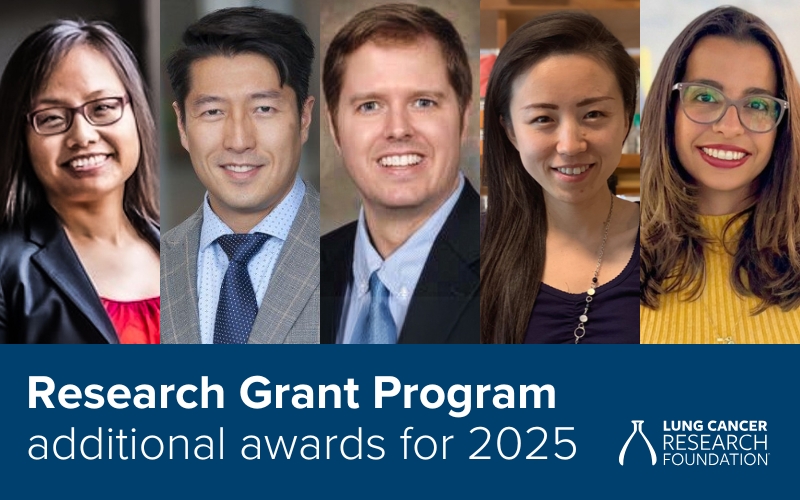
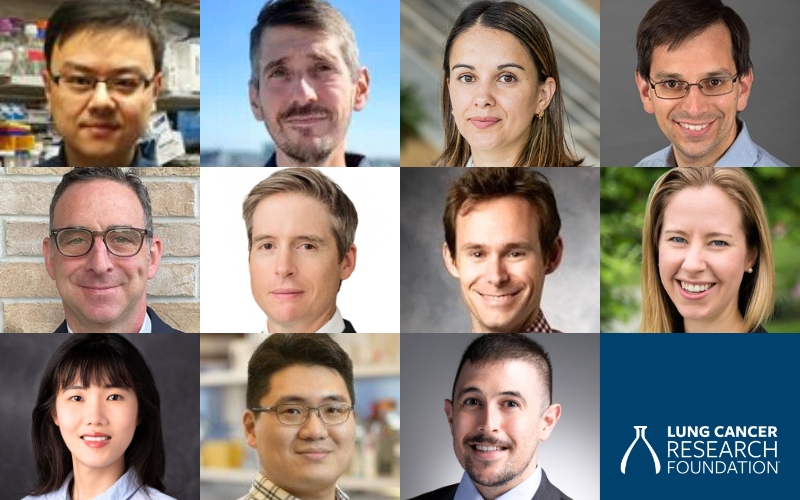
NEW YORK, NY (August 19, 2025) – The Lung Cancer Research Foundation (LCRF) has expanded its Scientific Advisory Board (SAB) by five new members, strengthening an already stellar scientific governing body. Led by Kathryn O’Donnell, PhD, Associate Professor, Molecular Biology at UT Southwestern Medical Center, the LCRF Scientific Advisory Board’s primary role is to guide the organization’s research investment priorities; review, evaluate and select lung cancer research proposals worthy of financial investment; and provide opinion and guidance on relevant lung cancer data. This exemplary group of lung cancer experts is integral to achieving LCRF’s goal of doubling its research investment by 2030.
“Our Scientific Advisory Board is essential in identifying the best and brightest investigators whose creative ideas have the potential to uncover novel, innovative solutions for people living with lung cancer,” says Aubrey Rhodes, Executive Director, LCRF. “The addition of these new members strengthens our ability to discover and support groundbreaking research that will truly make an impact.”
“The LCRF Scientific Advisory Board is a brilliant and effective group of diverse lung cancer research experts,” remarked Kathryn O’Donnell, PhD, LCRF’s SAB chair. “By bringing these experts into the group, we can more readily adapt to a changing research landscape while achieving the strategic objectives that will accelerate lung cancer research. It is my honor to welcome our newest members.”
In addition to these five new full SAB members, LCRF welcomes its first cohort of five junior members, whose role will be to review, score, and provide commentary on grant applications as well as serve as volunteer spokespersons for LCRF and its research program.
“By welcoming junior members to our Scientific Advisory Board, LCRF is investing in the future leaders of lung cancer research,” commented Dhruba Deb, PhD, LCRF’s Senior Director of Research Programs. “These rising scientists will have the opportunity to learn directly from some of the most accomplished experts in the field, gaining insights and mentorship that will shape their careers. This is a critical step in ensuring that bold, innovative research continues to thrive, ultimately accelerating progress for people living with lung cancer.”
New Scientific Advisory Board members:
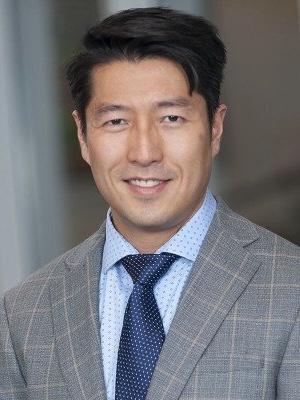
Hossein Borghaei, DO, MS Chief of Thoracic Medical Oncology Fox Chase Cancer Center
Hossein Borghaei, DO, MS earned his degree at Philadelphia College of Osteopathic Medicine and completed his residency at Graduate Hospital in Philadelphia. Since completing his fellowship training at Fox Chase, he has been involved in a number of clinical trials aimed at developing new, antibody-based therapies and immunotherapies for patients with lung cancer.
In addition to his clinical practice and participation in immunotherapy-based clinical trials, Dr. Borghaei is the principal investigator (PI) of a laboratory that develops new monoclonal antibodies and novel immune-modulating drugs, with the aim of bringing these approaches to the clinic.
Dr. Borghaei is the co-chair of the thoracic committee at Eastern Cooperative Oncology Group (ECOG) and the Past Chair of the LungMap trial (S1800/S1900). He is the recipient of an American Society of Clinical Oncology (ASCO) Young Investigator Award and an ASCO Career Development Award. He also is the recipient of the Robert Krigel Memorial Award for Teaching Excellence from Fox Chase Cancer Center. Dr. Borghaei is a long-standing member of ASCO, AACR, IASLC, SITC and ECOG thoracic committee.
Matthew Bott, MD Thoracic Surgeon Memorial Sloan Kettering Cancer Center
Matthew Bott, MD is a thoracic surgeon at Memorial Sloan-Kettering (MSK) Cancer Center. He completed his general surgical training Weill-Cornell Medical Center and his fellowship in cardiothoracic surgery at Washington University in St. Louis. His clinical practice is centered on the treatment of patients with lung and esophageal cancer. He leads MSK’s efforts in robotic bronchoscopy as the surgical director of the Endobronchial Therapies program. He also has an active basic, translational, and clinical research program that focuses on mechanisms of immune surveillance in cancer and methods for leveraging these mechanisms to develop novel treatments for patients with lung cancer.
Sanja Dacic, MD, PhD Department of Pathology Yale School of Medicine
Sanja Dacic, MD, PhD, is a Professor of Pathology in the Clinician Educator Track in the Department of Pathology, Yale School of Medicine. She is a Vice Chair and Director of Anatomic Pathology at the Department of Pathology, Yale School of Medicine; and Director of Thoracic Pathology. She completed her residency training at the University of Pittsburgh and joined the faculty immediately after her fellowship in surgical thoracic pathology. She was Professor of Pathology at University of Pittsburgh, Director of Anatomic Pathology at UPMC Presbyterian Hospital, Director of Thoracic Pathology Center of Excellence, and interim director of the Molecular Anatomic Pathology at UPMC.
Dr. Dacic is focused on diagnostic pulmonary and molecular pathology and has been involved in many basic and translational research projects in lung cancer and pleural mesotheliomas that have resulted in numerous peer-reviewed scientific articles, book chapters, and reviews. Dr. Dacic was a member of the Editorial Board for the 5th WHO Classification of Thoracic Tumors. She serves on Editorial Boards of several journals and is a deputy editor in chief of Archives of Pathology & Laboratory Medicine. She served as a member of the USCAP Abstract Review Board (2006-2010), Education Committee (2011-2015), Young Investigators Awards Committee (member and chair) (2015-2017) and was elected to the Board of the Academy for three years (2015-2018). She served as president of the Pulmonary Pathology Society (2019-2022). Dr. Dacic is a member of the US and Canadian Mesothelioma Group, the International Mesothelioma Panel. She is currently chair of the IASLC Pathology Committee (2023-2025).
Paul J. Hesketh, MD, FASCO Hematology & Oncology Lahey Clinic Medical Center
Paul J. Hesketh, MD is Director of the Lahey Cancer Institute, Director of the Sophia Gordon Cancer Center and Director of Thoracic Oncology at Lahey Hospital & Medical Center in Burlington, Massachusetts. He is also Professor of Medicine, UMass Chan Medical School and Adjunct Professor of Medicine, Tufts University School of Medicine. Dr. Hesketh has a broad interest in investigational antineoplastic therapeutics, with a particular focus in defining effective new treatment approaches for lung cancer and the supportive management of the patient with cancer. He serves as a member of the leadership group of the Lung Committee of SWOG, a National Cancer Institute sponsored nationwide clinical trials group. He also chairs the SWOG Lung Community Engagement Sub-Committee and SWOG Professional Review Committee and is the Principal Investigator for SWOG at Lahey Hospital & Medical Center.
Dr. Hesketh is a past President of the Multinational Association of Supportive Care in Cancer (MASCC). He has served as a member of the antiemetic guideline committees for the American Society of Clinical Oncology (ASCO) (co-chair) and MASCC. He has also served as a member of the ASCO Stage IV Non-Small Cell Lung Cancer Guideline Committees and ASCO Thoracic Advisory Group. He serves on the Board of Visitors for the College of Health Professions, Sacred Heart University. He has received multiple academic and teaching awards. They include Alumni Achievement Award in Science (Boston College); Best of Boston – Medical Oncology (Boston Magazine); Champion of Healthcare (Boston Business Journal); Distinguished Service Award (Multinational Association of Supportive Care in Cancer); Massachusetts Oncologist of the Year (Massachusetts Society of Clinical Oncology); Fellow, American Society of Clinical Oncology; and Fellow, Multinational Association of Supportive Care in Cancer. He serves as a reviewer for several scientific journals and is a former Editor-in-Chief of the Journal of Oncology: Index & Reviews. He is an author of more than 275 scientific manuscripts, abstracts, and book chapters.
Misako Nagasaka, MD, PhD Associate Professor, Division of Hematology and Oncology UCI School of Medicine
Misako Nagasaka, MD, PhD is an Associate Clinical Professor in Thoracic Oncology for the Division of Hematology/Oncology, Department of Medicine at the University of California Irvine. She completed her residency in Internal Medicine at Beth Israel Medical Center in NYC and fellowship at Karmanos Cancer Institute in Detroit. Her clinical and research interests are in molecular targeted therapy and immunotherapy in thoracic malignancies, with a special focus in medical ethics. She has more than 160 publications including the New England Journal of Medicine, Nature Medicine, the Journal of Clinical Oncology and the Journal of Thoracic Oncology. She has experience serving as the site principal investigator (PI) for over 20 interventional trials (and has served as a sub-investigator for a number of studies) and enjoys collaborating with other researchers across the country and around the world.
New junior Scientific Advisory Board members:
Joyce Chen, PharmD, PhD Assistant Professor, The Pritzker School of Molecular Engineering Ben May Department for Cancer Research University of Chicago
Emiliano Cocco, PhD Assistant Professor, Biochemistry and Molecular Biology University of Miami
Giorgia Foggetti, PhD Project leader, Comprehensive Cancer Center, IRCCS San Raffaele Scientific Institute Adjunct Assistant Professor/Lecturer, Biotechnology for Innovative Therapeutics, Medical School, Vita-Salute San Raffaele University
Hideko Isozaki, PhD Professor, Genome Biology Cancer Research Institute & Nano Life Science Institute Kanazawa University, Kanazawa, Japan
Lingtao Jin, PhD Associate Professor, Department of Molecular Medicine University of Texas Health Science Center at San Antonio
# # #
About the Lung Cancer Research Foundation (LCRF) The Lung Cancer Research Foundation® (LCRF) is the leading nonprofit organization focused on funding innovative, high-reward research with the potential to extend survival and improve quality of life for people with lung cancer. LCRF’s mission is to improve lung cancer outcomes by funding research for the prevention, diagnosis, treatment, and cure of lung cancer. To date, LCRF has funded 429 research grants, totaling nearly $48 million, the highest amount provided by a nonprofit organization dedicated to funding lung cancer research. For more information about the LCRF grant program and funding opportunities, visit LCRF.org/research.
Last year, a beautiful community came together for a day of remembrance and love — all in honor of Eddie Collins. Organized by his wife Ellen and daughter Samantha, the inaugural Eddie Collins 5K was more than just a race; it was a tribute to a man who lived his life surrounded by family, friends, and community.
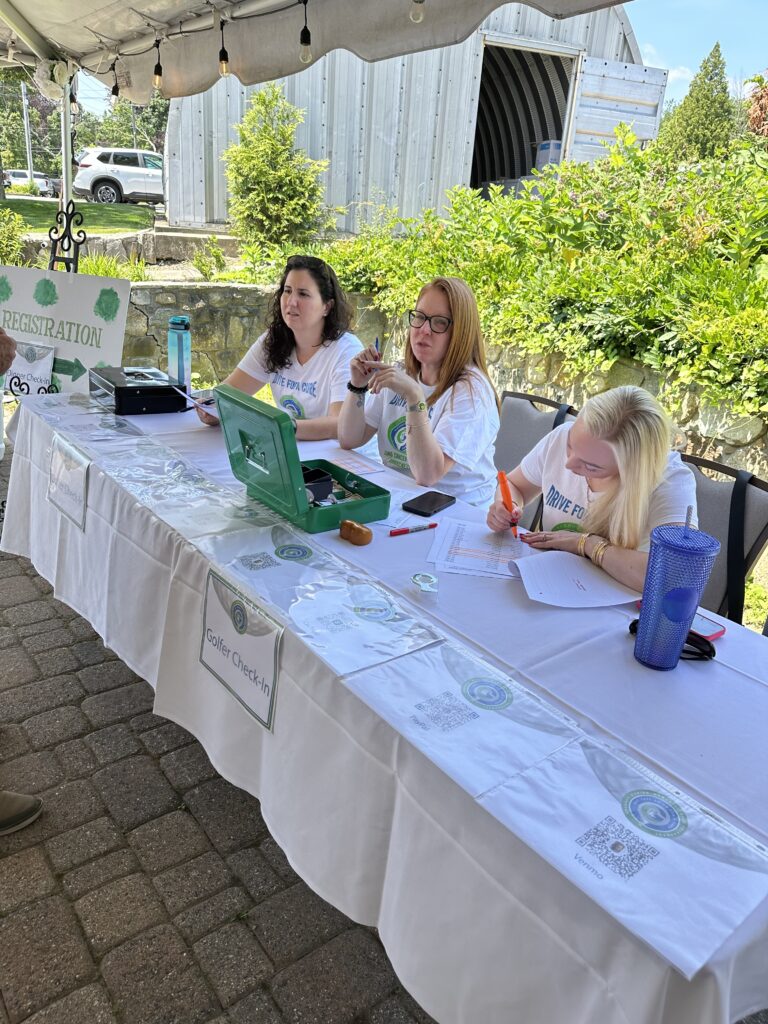
Held at a local brewery in Clinton, MA, the event was a resounding success. With 94 race participants and over 130 attendees throughout the day, the energy was as powerful as Eddie’s legacy. Together with the help of their friends and family, The Collins’ Family raised over $8,000 for lung cancer research through donations, raffles, and on-site fundraising.
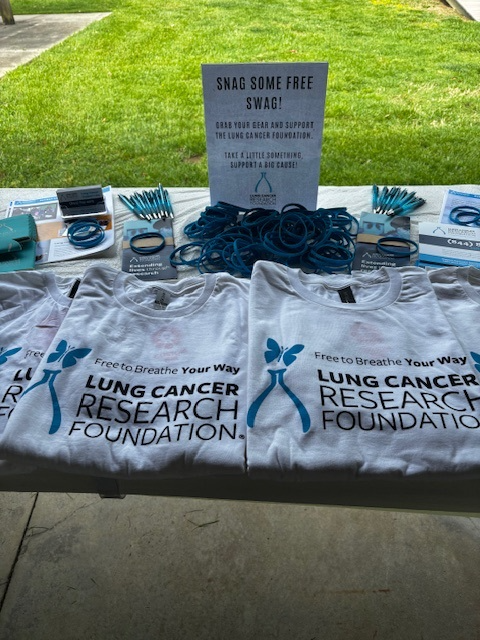
Every runner received a complimentary event t-shirt, raffle tickets, and a 5 oz pour, courtesy of the generous host brewery. Attendees enjoyed snacks and water provided by the organizers, plus delicious eats from a local food truck. And let’s not forget the raffle baskets — themed creations like Movie Night, Margarita Magic, Charcuterie Dream, Baystate Brewery Favorites, and Dogtopia Delights had everyone hoping to win a piece of the fun.
This event was born from love — and loss. Eddie Collins, a proud local of Berlin and Clinton, MA, was a family man through and through. He and Ellen married in 1993. Eddie was a proud father of 4 (Samantha, Vanessa, Chad and Amanda), grandfather of 13 and great-grandfather of 4.
Eddie was a familiar face to many — the kind of guy who couldn’t go anywhere without running into someone he knew. When he was diagnosed with stage 4 small-cell lung cancer in April 2023, Eddie faced it with the strength and determination that defined his life. Though he passed away just six months later, on October 3, 2023, his spirit continues to bring people together.
Now, Ellen and Samantha are gearing up for the 2nd Annual Eddie Collins 5K, returning to Clinton on Saturday, October 4, 2025! Whether you’re walking, running, cheering, or donating — this is your chance to help celebrate Eddie’s legacy while helping fund lung cancer research and awareness.
The initial results of the NeoADAURA trial were presented at the American Society of Clinical Oncology (ASCO) annual meeting in June. This is the first report of a large clinical trial using targeted therapy before surgery in early stage lung cancer.
Why it’s important
Until recently, the standard of care for the treatment of earlier stage resectable non-small cell lung cancer (NSCLC) (without certain targetable genomic abnormalities) has been surgery followed by adjuvant (after surgery) chemotherapy, with immunotherapy if the cancer is PD-L1 positive, to eliminate small undetectable metastases. There has been great interest in moving the treatment up before surgery as neoadjuvant (before surgery) or perioperative (before and after surgery). Due to the results of several clinical trials these approaches are being adopted by many oncologists for the treatment of resectable NSCLC. Patients whose tumor has a targetable epidermal growth factor (EGFR) mutation in an earlier stage receive surgery followed by osimertinib with or without chemotherapy.
The NeoADAURA trial was a large, global study in which patients with resectable EGFR-mutated NSCLC received osimertinib with chemotherapy, osimertinib alone, or chemotherapy alone prior to surgery. For patients who received osimertinib alone or with chemotherapy, results showed a better major pathologic response – live cancer was present in less than 10% of surgically removed tumors. The study also showed better event-free survival (i.e. less recurrence of cancer). This approach to treatment was safe, and patients receiving neoadjuvant treatment did not experience an increase in surgical complications.
What it means for patients
The results of the NeoADAURA trial are still early, and at this point it is difficult to say whether there will be a change in the standard of care – which currently is to give osimertinib with or without chemotherapy after surgery. It is important to note that even patients with early-stage NSCLC – which is amenable to surgery – should receive molecular (genomic) testing of their lung cancer so they can receive the appropriate treatment. Another recommendation is to arrange a multidisciplinary conference around these patients’ cases. This enables physicians of various specialties – medical oncologists, thoracic surgeons, radiation oncologists, radiologists, pulmonologists, and pathologists as well as other health care personnel – to individualize patient health care plans.
What to look for
We expect to see updates of the results of the NeoADAURA trial. This should help determine moving forward what the best treatment approach is for these patients. Further studies will attempt to answer many questions – among them, determining the role of chemotherapy and the optimal length of treatment. Also look for clinical trials assessing the neoadjuvant/perioperative treatment approach for early-stage patients with other oncogene driven lung cancers such as ALK, RET, ROS1, etc.
Through direct donor funding and research collaborations, LCRF strengthens commitment to research
NEW YORK, NY (July 15, 2025) – The Lung Cancer Research Foundation recently announced several new funding opportunities in addition to its normal RFP cycle that began in January. In June, Requests for Proposals were made available for submission for two new Team Science awards and an Early Career Investigator award, providing the research community with more opportunities to advance lung cancer research.
The 2025 LCRF Team Science Award on Advancing Therapies Toward Curing EGFR Mutated Lung Cancers, a 3-year, $1.5 million award, made possible by a generous private donation from Benay and Steven Taub, will focus on furthering the development of novel therapies for patients with EGFR-mutant Non-Small Cell Lung Cancer (NSCLC.)
A research collaboration with Boehringer Ingelheim, totaling $2.25 million, will provide funding for two other grant awards. The LCRF | Boehringer Ingelheim Team Science Award on Innovative Approaches Toward the Treatment of HER2-Driven Lung Cancer award, is a $1.5 million, 3-year award focusing on the science behind HER2 mutations as a driver of malignancy and/or the development of novel therapeutic approaches to treat tumors with HER2 mutations. The LCRF | Boehringer Ingelheim Early Career Investigator’s Award on Innovative Approaches Toward the Treatment of HER2-Driven Lung Cancer will fund three, two-year grants focused on the study of HER2 mutant lung cancer, supporting the work of scientists who are early in their independent research careers.
“LCRF was founded twenty years ago to address critical gaps in lung cancer research funding. Today, as the research landscape grows more uncertain, we remain committed to advancing the science by partnering with like-minded individuals and organizations. Private funding is more essential than ever to sustain progress. While we’ve made significant strides in treatment discovery, far too much promising research still goes unfunded,” says Aubrey Rhodes, LCRF’s executive director. “It is through the generosity of people like Benay and Steven Taub, and the vision of collaborators like Boehringer Ingelheim, that we will make an impact for people living with lung cancer. We have been very fortunate to have many incredible partners that make research happen and look forward to continuing to partner with those who believe, as we do, that investing in research now is what will bring breakthroughs to the fore.”
“We believe that supporting scientists to pursue their curiosity is key to driving meaningful progress and innovation—and that collaboration is essential to bringing groundbreaking treatments to patients,” said Bjoern Rueter, U.S. Vice President, Clinical Development and Medical Affairs, Boehringer Ingelheim. “We are excited to join forces with Lung Cancer Research Foundation as we embark on a new era for cancer research and create the Team Science and Early Career Investigator awards focused on HER2-mutant lung cancer.”
“Now more than ever, it is important for organizations like LCRF to fill funding gaps,” says Kathryn O’Donnell, PhD, Chair of LCRF’s Scientific Advisory Board, and Associate Professor of Molecular Biology at UT Southwestern Medical Center. “Partnerships and collaborations across the lung cancer community will allow LCRF’s research program to address unmet needs for researchers, their labs, and all people affected by lung cancer who look to LCRF to fund innovative projects. These efforts will ultimately lead to breakthrough discoveries and new therapies.”
Benay Taub, a lung cancer survivor, was very direct. “Our goal in funding the Team Science Award focused on EGFR lung cancers is to support a team of committed researchers in pursuit of improved treatments and outcomes for lung cancer patients, and hopefully, one day, a cure.”
To learn how you can support LCRF’s research grant program and keep science moving forward, visit LCRF.org/research.
###
About the Lung Cancer Research Foundation (LCRF) The Lung Cancer Research Foundation® (LCRF) is the leading nonprofit organization focused on funding innovative, high-reward research with the potential to extend survival and improve quality of life for people with lung cancer. LCRF’s mission is to improve lung cancer outcomes by funding research for the prevention, diagnosis, treatment, and cure of lung cancer. To date, LCRF has funded 429 research grants, totaling nearly $48 million, the highest amount provided by a nonprofit organization dedicated to funding lung cancer research. For more information about the LCRF grant program and funding opportunities, visit lcrf.org/research.