Enter your search term above.

Foundation funds 11 new research projects

FOR IMMEDIATE RELEASE
NEW YORK, December 2, 2025

The Lung Cancer Research Foundation® (LCRF) awarded its annual 2025 Scientific Grant Program awards, funding another $1.65 million in new research. This year’s grant cycle includes 11 awards in the following areas: LCRF Leading-Edge Grant in Lung Cancer, LCRF Research Grant on Prevention and Early Detection in Lung Cancer, LCRF Research Grants on Overcoming Resistance in Lung Cancer, and LCRF Minority Career Development Award (CDA) for Lung Cancer.

Earlier this year, LCRF awarded the American Lung Cancer Screening Initiative (ALCSI) a grant to conduct its “Plus One” screening initiative and research study, funded a three-year project in collaboration with the Israeli Cancer Research Fund, and announced two research grants focused on innovative strategies to advance the understanding and management of lung cancers harboring HER2 mutations and/or other HER2 alterations in collaboration with Bayer Pharmaceuticals.

LCRF awards grants for projects that demonstrate profound promise to make a sustained and lasting impact on lung cancer research and outcomes. Support from LCRF’s generous donors and fundraisers made these grant awards possible.

“Our Scientific Advisory Board and Research Advocates reviewed hundreds of submissions, and we’re excited to support the work of these grantees,” said Colleen Conner Ziegler, Chair of LCRF’s Board of Directors. “Keeping patients’ voices at the forefront of the research process is of utmost importance to LCRF and is evident in the projects that were selected for funding.”

“Each year, we are presented with many ideas that have the potential to change how we approach lung cancer prevention, detection and treatment,” said Kathryn O’Donnell, PhD, chair of LCRF’s Scientific Advisory Board and Associate Professor, Molecular Biology, UT Southwestern Medical Center. “At LCRF, we’re committed to funding the most innovative research projects that will have a positive impact on the lives of people living with lung cancer.”

Through its Leading-Edge Research Grant in Lung Cancer, LCRF funds innovative research focused on the prevention, diagnosis, treatment, and cure of lung cancer. This year, LCRF will be funding four projects through this mechanism.

LCRF’s Research Grant on Prevention and Early Detection in Lung Cancer is presented to four investigators whose project facilitates or advances the understanding and characterization of pre-neoplasia or approaches for early detection in non-small cell and small cell lung cancer.

The LCRF Research Grants on Overcoming Resistance in Lung Cancer are presented to two recipients whose projects focus on combating therapeutic resistance.

LCRF’s Minority Career Development Award for Lung Cancer, supported in part by a grant from the LRE Foundation, is a two-year funding initiative aimed at advancing early-stage researchers from underrepresented groups and enhancing their representation in the lung cancer research workforce.

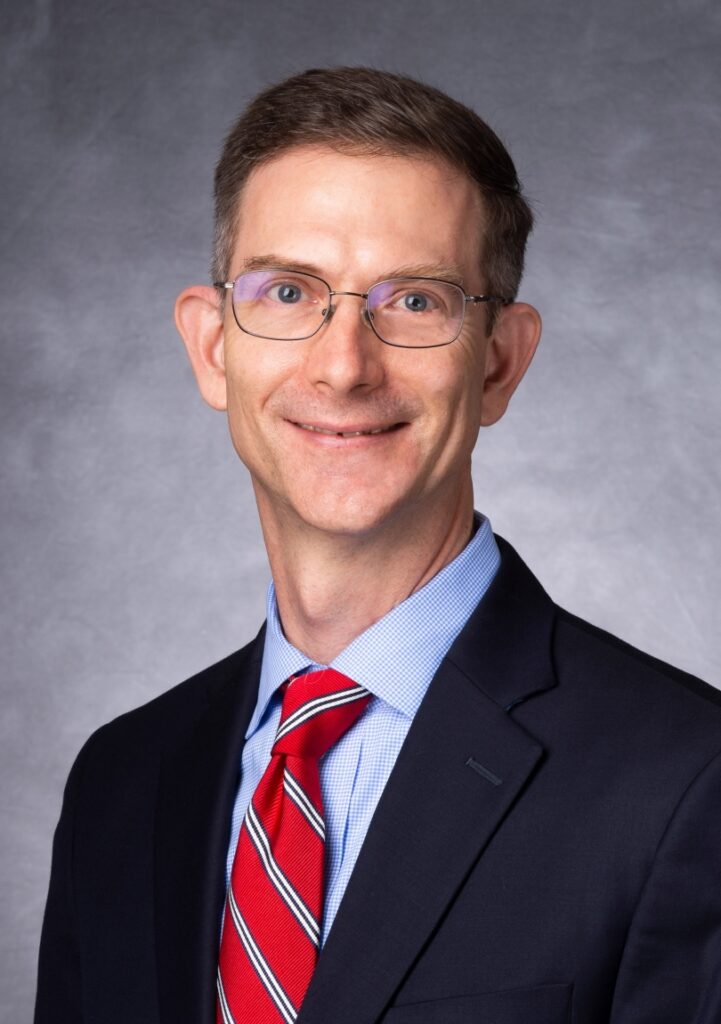
LCRF recognizes exemplary projects through its Joan H. Schiller, MD Award for Scientific Merit in honor of the contributions to LCRF made by Dr. Schiller in her roles as co-founder, scientific advisory board member and board member, as well as her innumerable contributions to the lung cancer community as a clinician, researcher and advocate. This award is presented to the investigator whose proposal was selected for outstanding overall merit by the Foundation’s Scientific Advisory Board. This year’s recipient is Lu Wang, PhD of Northwestern University Feinberg School of Medicine, whose project is titled Therapeutic targeting of ASXL3 protein stability in small cell lung cancer.

“This LCRF Leading-Edge Research Grant will enable my laboratory to investigate how cancer-specific transcriptional programming is driven by dysregulated transcription factors and epigenetic regulators,” remarked Dr. Wang. “Our goal is to leverage these findings to develop new personalized therapeutic strategies targeting transcriptional dysregulation in lung cancer.”

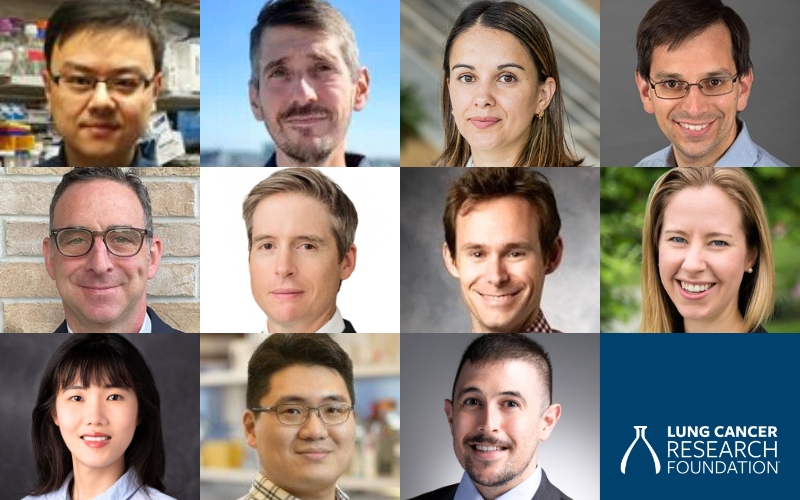
LCRF 2025 Research Grant Awardees

Leading Edge Grant Program
Lu Wang, PhD
Northwestern University Feinberg College of Medicine
Therapeutic targeting of ASXL3 protein stability in small cell lung cancer
Joan H. Schiller, MD Award for Scientific Merit
Timothy Martin, PhD
University of Virginia School of Medicine, Charlottesville
Defining how UFMylation pathway inhibition enhances anti-lung tumor immunity
Patricia Pereira, PhD
Washington University School of Medicine, St. Louis
Antibody click for lung cancer therapy
John Prensner, MD, PhD
University of Michigan
Microproteins as novel disease targets in squamous cell lung cancer

Research Grant on Prevention and Early Detection in Lung Cancer
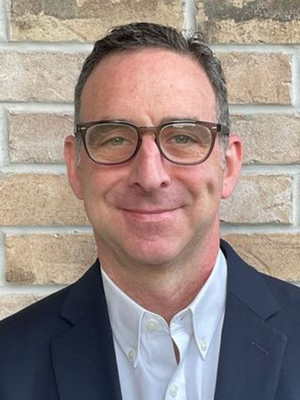
David Adler, MD, MPH
University of Rochester
Increasing Lung Cancer Screening Uptake Among Emergency Department Patients
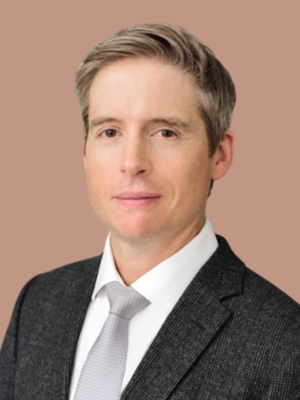
Crispin Hiley, MD, PhD
University College, London
Determinants of immune age and immune surveillance for early detection
Nicholas Juul, MD
Stanford University School of Medicine
Identifying biomarkers of precancerous copy number alteration in normal alveolar epithelium
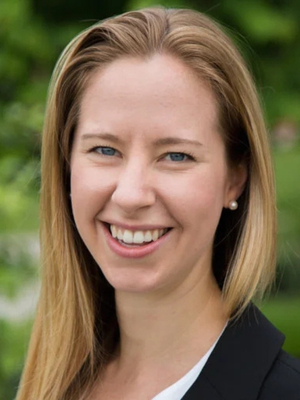
Hilary Robbins, PhD
International Agency for Research on Cancer (IARC)
Lung cancer risk assessment for people who never smoked

Research Grant on Overcoming Resistance in Lung Cancer
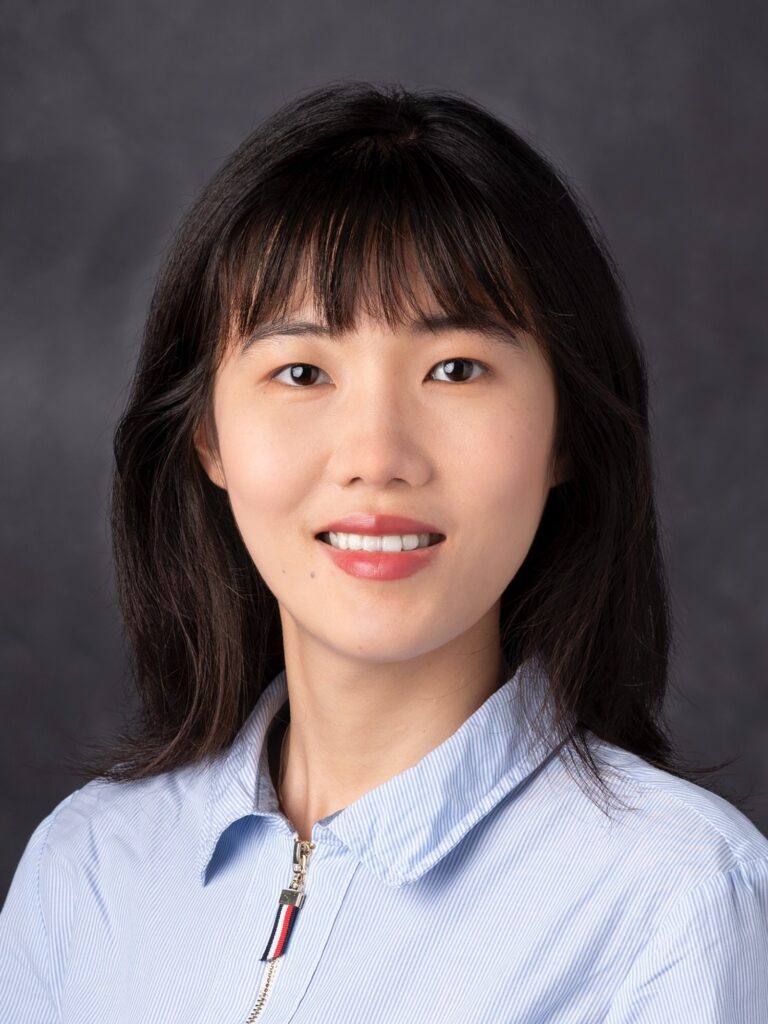
Ximeng Liu, PhD
University of Texas MD Anderson Cancer Center
Deciphering response and resistance mechanisms to firmonertinib in NSCLC patients with EGFR PACC mutations
Dongsung Kim, PhD
Ohio State University
A novel targeted therapeutic strategy for KRAS inhibitor resistant lung cancers

Minority Career Development Award (CDA)
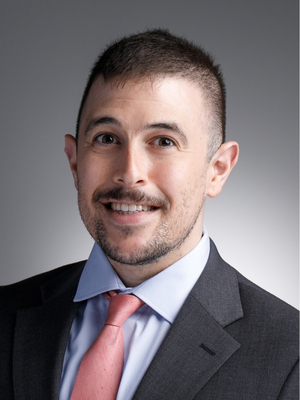
Nelson LaMarche, PhD
Yale University
Defining clinically targetable drivers of pathogenic myeloid cell development for NSCLC immunotherapy

For more information about LCRF and the Scientific Grant Program, visit LCRF.org/Research.

###

About the Lung Cancer Research Foundation
The Lung Cancer Research Foundation® (LCRF) is the leading nonprofit organization focused on funding innovative, high-reward research with the potential to extend survival and improve quality of life for people with lung cancer. LCRF’s mission is to improve lung cancer outcomes by funding research for the prevention, diagnosis, treatment, and cure of lung cancer. To date, LCRF has funded 442 research grants, totaling nearly $51 million, the highest amount provided by a nonprofit organization dedicated to funding lung cancer research. For more information about the LCRF grant program and funding opportunities, visit LCRF.org/research.

Contact:
Sheila Sullivan
Sr. Director, Marketing and Communications
ssullivan@lcrf.org
The good news

The U.S. Food and Drug Administration (FDA) has granted accelerated approval to sevabertinib for the treatment of adult patients with unresectable or metastatic non-squamous non-small cell lung cancer (NSCLC) whose tumors have HER2 (ERBB2) mutations and who have received prior systemic therapy. This is the most recent oral tyrosine kinase inhibitor (TKI) that has been approved.

Why it’s important

Alterations in the HER2 gene have been associated with the development and spread of cancer. HER2 mutations occur in about 2-4% of patients with NSCLC. In the past two decades, several clinical trials have investigated the use of anti-HER2 therapies in lung cancer but have led to disappointing results. Progress was made when in 2022, the FDA granted accelerated approval to trastuzumab deruxtecan for patients with unresectable or metastatic NSCLC whose tumors have HER2 mutations and who have received prior therapy. This drug is an antibody drug conjugate, which is a form of “targeted chemotherapy.” Thanks to continued research, zongertinib (another TKI) was approved earlier this year for previously treated HER2-mutated NSCLC — and now, sevabertinib is the third therapy approved for this rare subtype of NSCLC.

Sevabertinib is an oral TKI that specifically targets HER2 mutations. In the SOHO-01 (NCT05099172) clinical trial, 70 patients with locally advanced or metastatic NSCLC with HER2 (ERBB2) mutations who had received prior systemic therapy were treated with sevabertinib. An impressive 71% of the patients had significant shrinkage of their cancer and control of the cancer lasted over 9 months for many of the patients.

The most common side effect was diarrhea which was managed without the need to discontinue the drug. Other common toxicities included rash and nail changes. The prescribing information also contains warnings for potential liver toxicity, pneumonitis (lung inflammation), eye toxicity, pancreatic enzyme elevation, and embryo-fetal toxicity.

What it means for patients

Sevabertinib represents another advancement in the treatment of NSCLC patients with HER2 mutations. Since this is an accelerated FDA approval, there will be more trials that will be performed to confirm the effectiveness of the drug. It is important that patients with advanced non-squamous NSCLC have their tumors tested for HER2 mutations.

What to look for

It is likely that sevabertinib will be evaluated as initial treatment for patients with HER2-mutated NSCLC in upcoming clinical trials with the hope that it will be more effective than chemotherapy as a first treatment. We could also see the evaluation of sevabertinib in combination with other agents such as chemotherapy. It is also important to remember that the drug is unlikely to be a cure for these patients and that there is still an urgent need to continue research efforts to determine why cancer cells are or become resistant to treatment. Expect that the development of novel drugs for this type of lung cancer will continue in the future.


Benay Taub Lung Cancer Research Act to create specialized federal task force

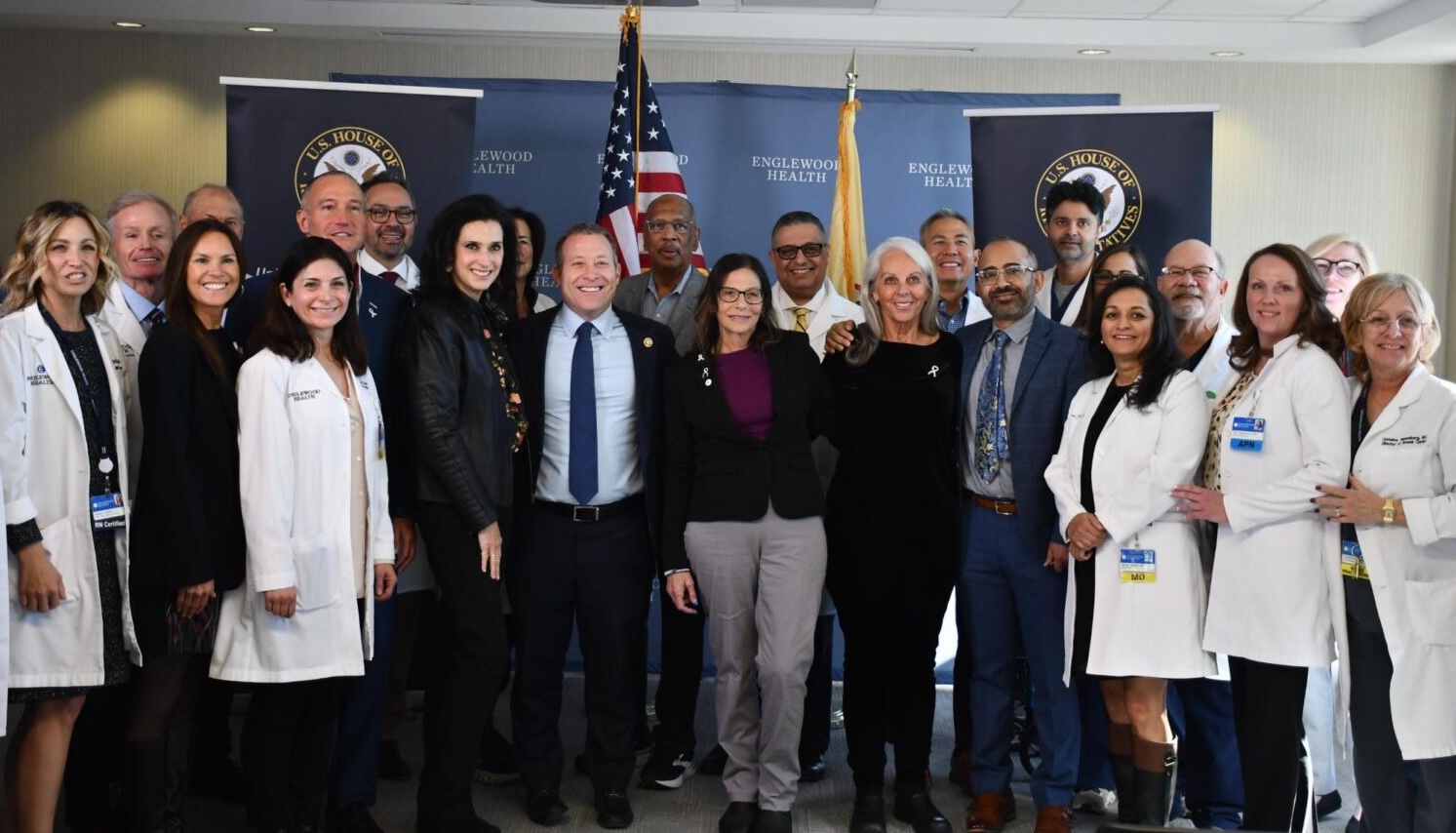
On Nov. 24, U.S. Congressman Josh Gottheimer (NJ-5) announced the introduction of new legislation to combat lung cancer, cut through red tape, streamline health care access, and increase funding for research.

The Benay Taub Lung Cancer Research Act would create a specialized federal task force made up of members from the National Cancer Institute (NCI), National Institute of Health (NIH), and CDC’s National Comprehensive Cancer Control Program to address gaps in access to lung cancer screenings,  recommend best practices for early detection, and ensure sufficient funding. The bill is named after lung cancer research advocate and Lung Cancer Research Foundation board member, Benay Taub.

The IMPACT (Improving Medicaid Precision and Cancer Testing) Act would extend Medicaid coverage for medically necessary biomarker testing for lung cancer. The bipartisan bill is co-led by Rep. John Rutherford (FL-5).

The Lung Cancer MAP (Medicare Access to Precise Testing) Act cuts red tape to ensure patients receive the fastest specialized treatment, breaking down barriers that restrict testing only to later-staged cancer. The bipartisan bill is co-led by Rep. Jen Kiggans (VA-2).

Rep. Gottheimer is also supporting the Women and Lung Cancer Research and Preventive Services Act and the Increasing Access to Lung Cancer Screening Act.

“I still cannot believe that I have lung cancer, let alone stage 4 incurable metastatic lung cancer,” Taub told those gathered for the announcement. “I live a healthy lifestyle. I do not smoke. I had no known risk factors, other than one… I have lungs. And if you have lungs, you can get lung cancer.”

Hear her remarks below, along with some words from Rep. Gottheimer.

>> Learn more about the legislation at this link.
>> View the full press conference.

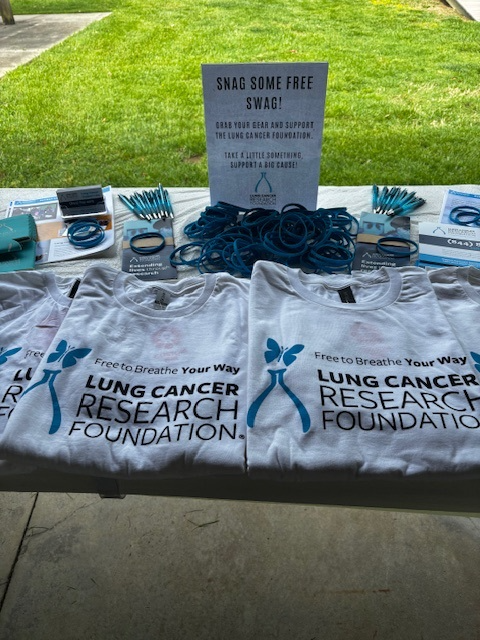
LCRF is very grateful for the supporters across the country who host creative events that bring people together and make a meaningful impact for lung cancer research. Two incredible examples are Toss for a Cause and the Drive for a Cure Golf Tournament — both born from love, loss, and the determination to make a difference.

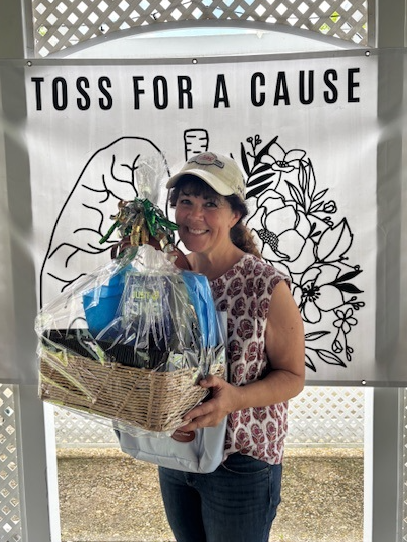
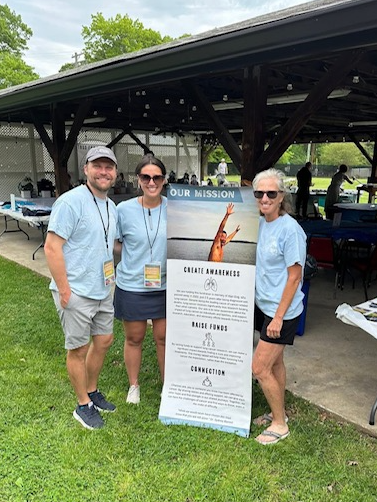
Toss for a Cause

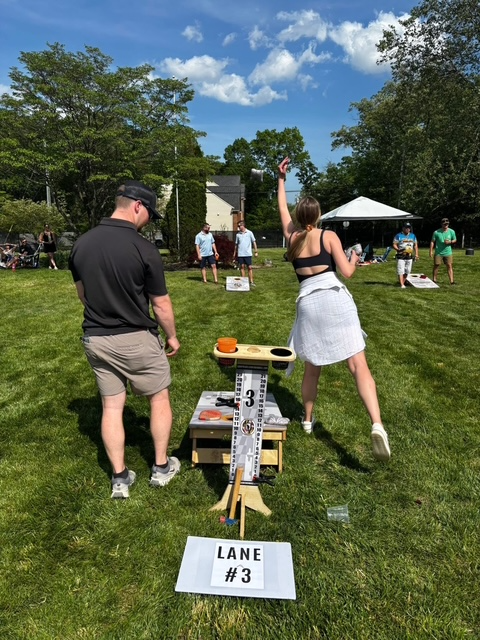
What started as a way to honor a father’s memory has grown into an annual tradition that unites an entire community. Founded by Ryan and Jordan Kurrle in memory of Jordan’s father, Alan Eng, who passed away from lung cancer in 2022, the BreathENG for Baba team has hosted a cornhole tournament for the past three years — raising more than $38,000 for lung cancer research.

Held at a local Elks Lodge in the Baltimore-Washington area, the event draws family and friends for an afternoon of cornhole, raffles, food trucks, and laughter. Even those who don’t toss a single bag still show up to support a cause that matters deeply to them. Jordan and Ryan are empowered to raise awareness about lung cancer and the need for research funding!

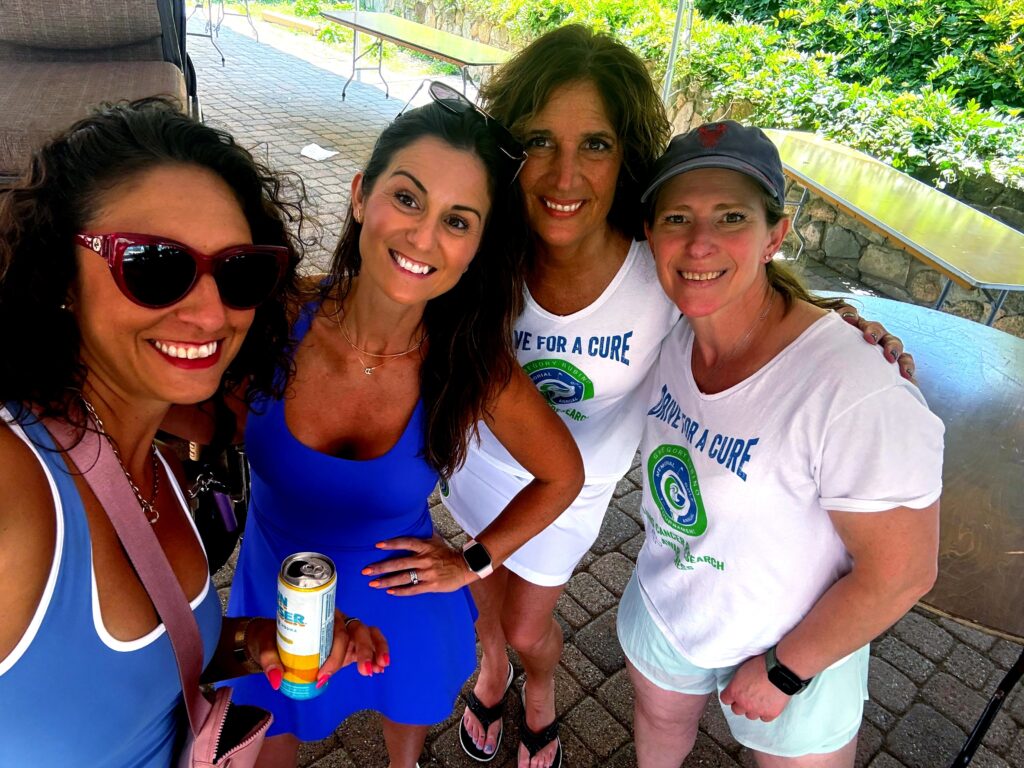
Drive for a Cure

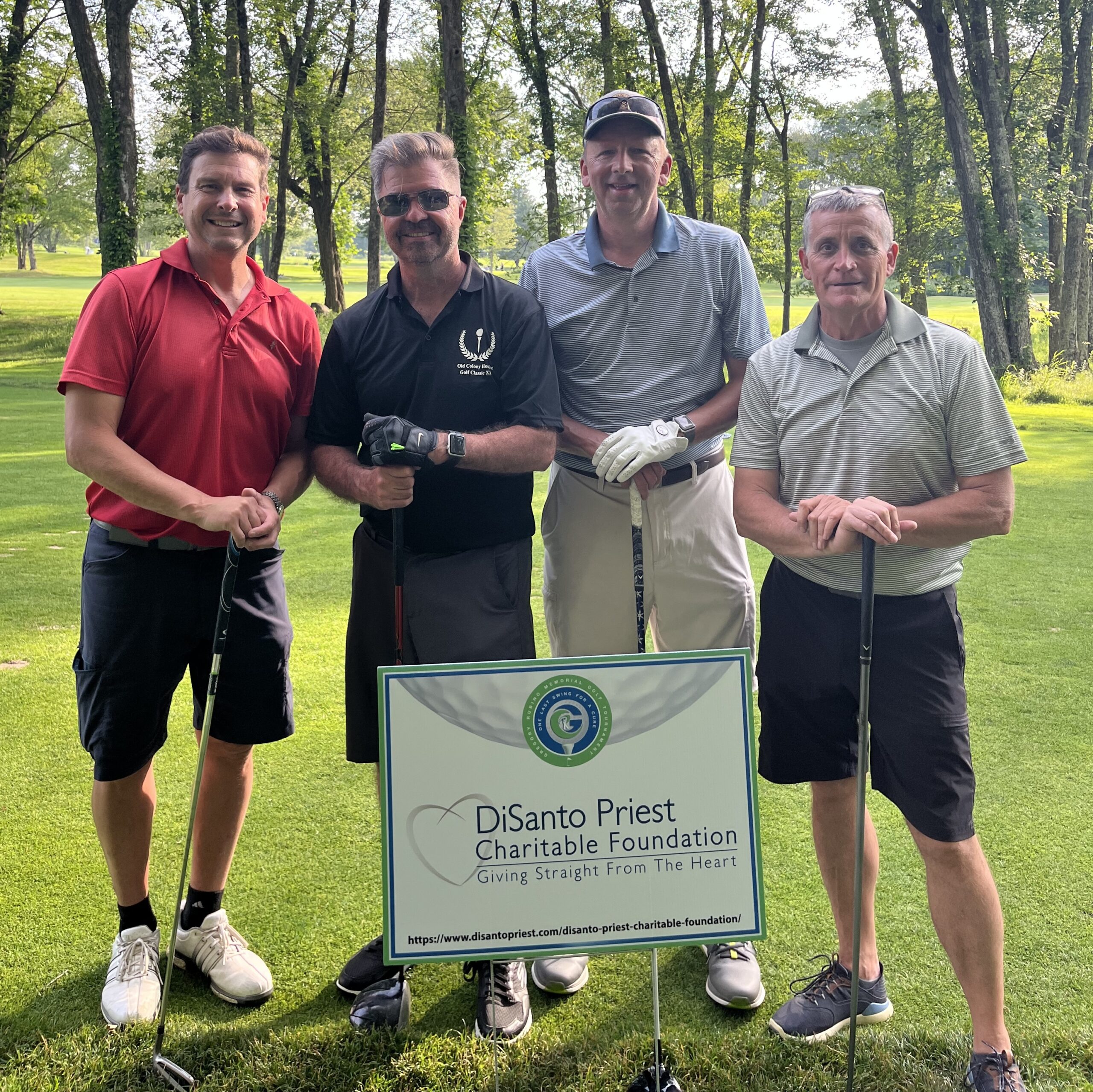
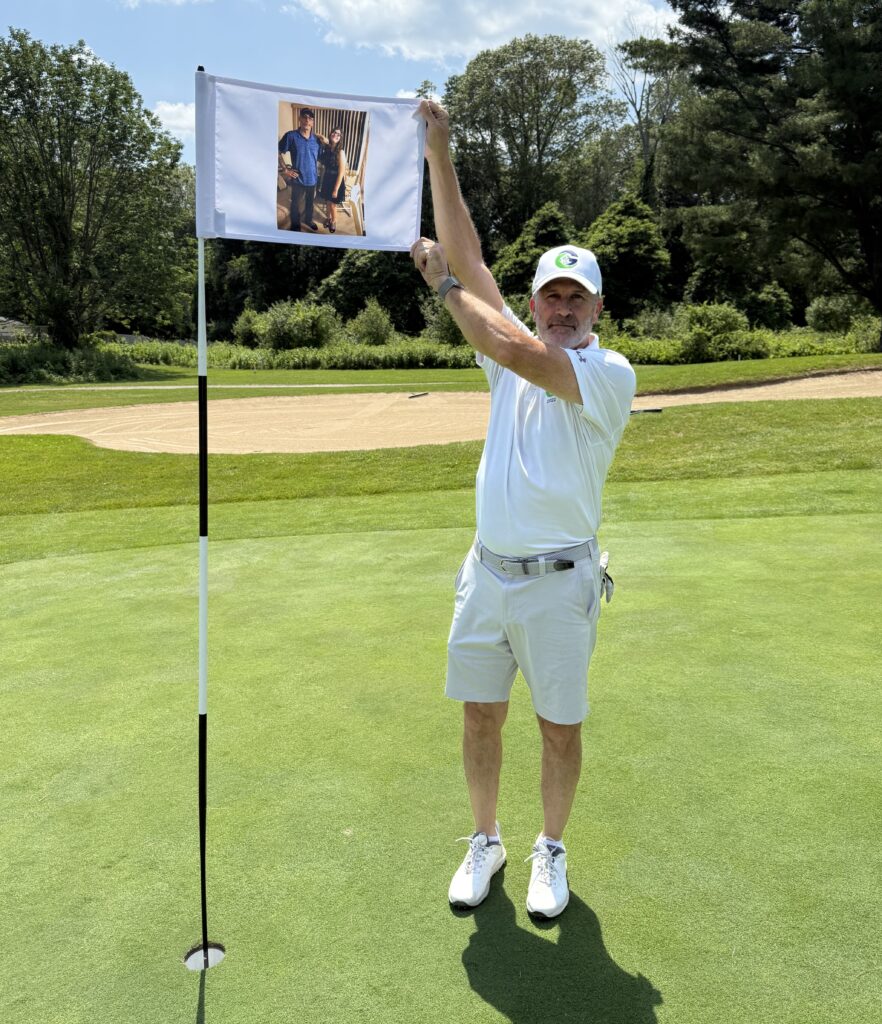
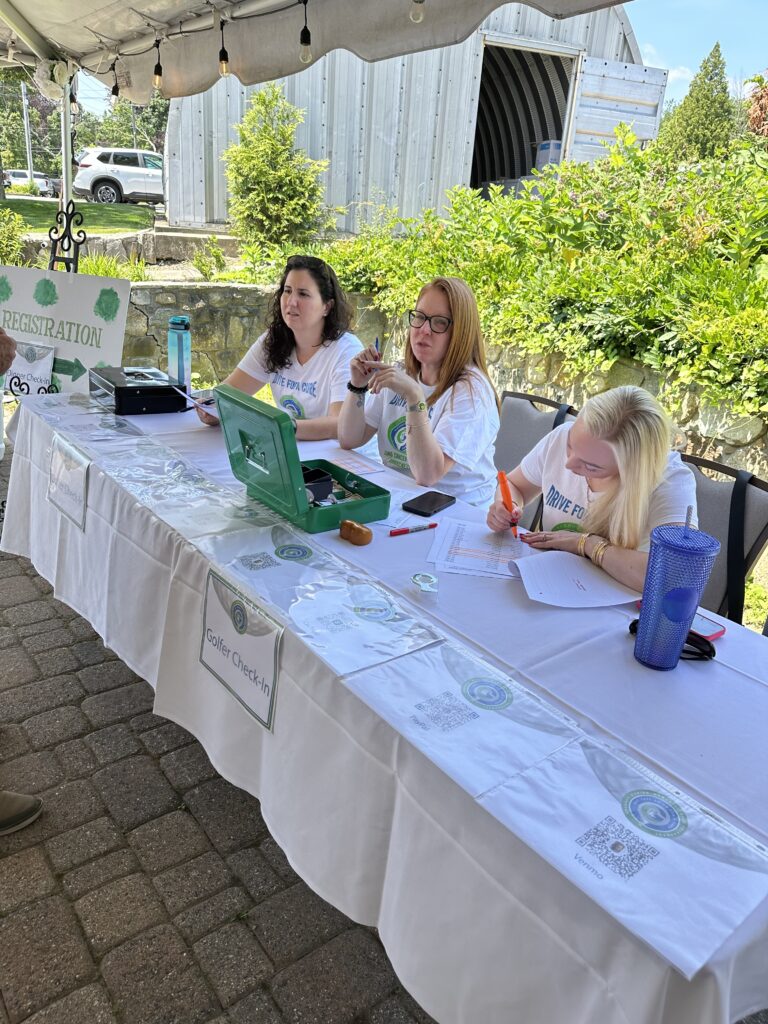
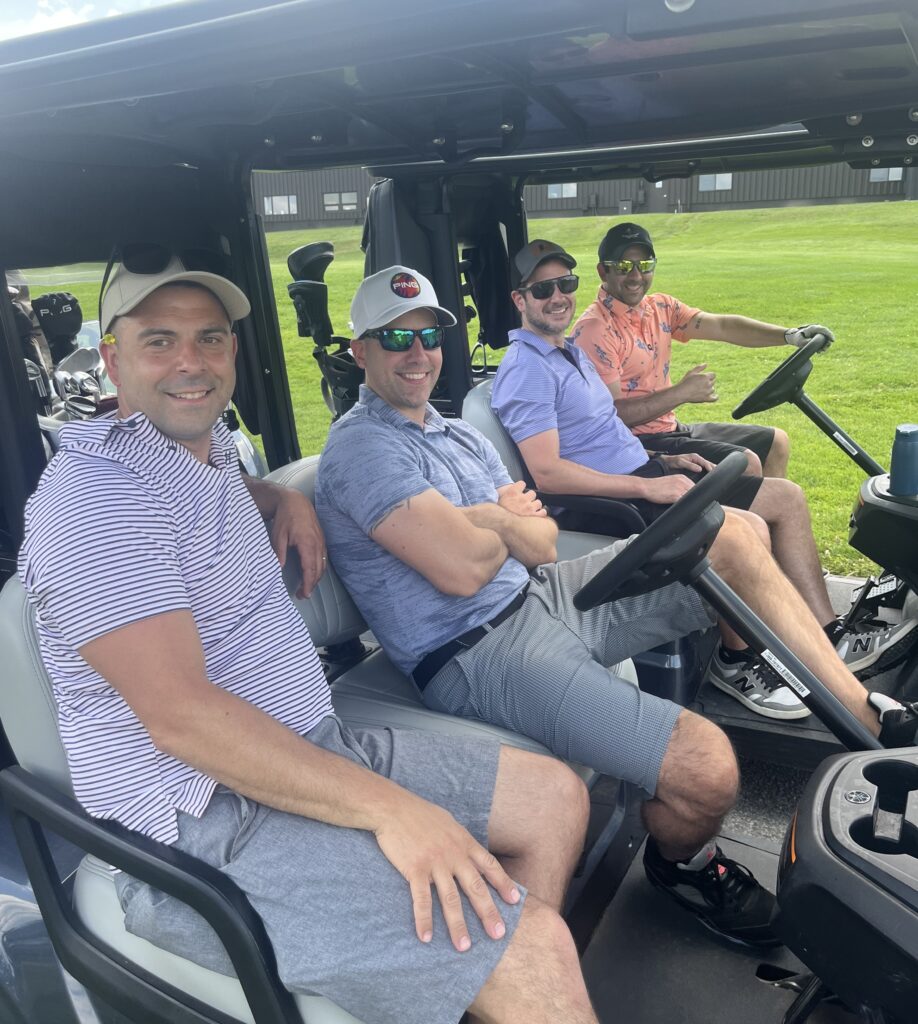
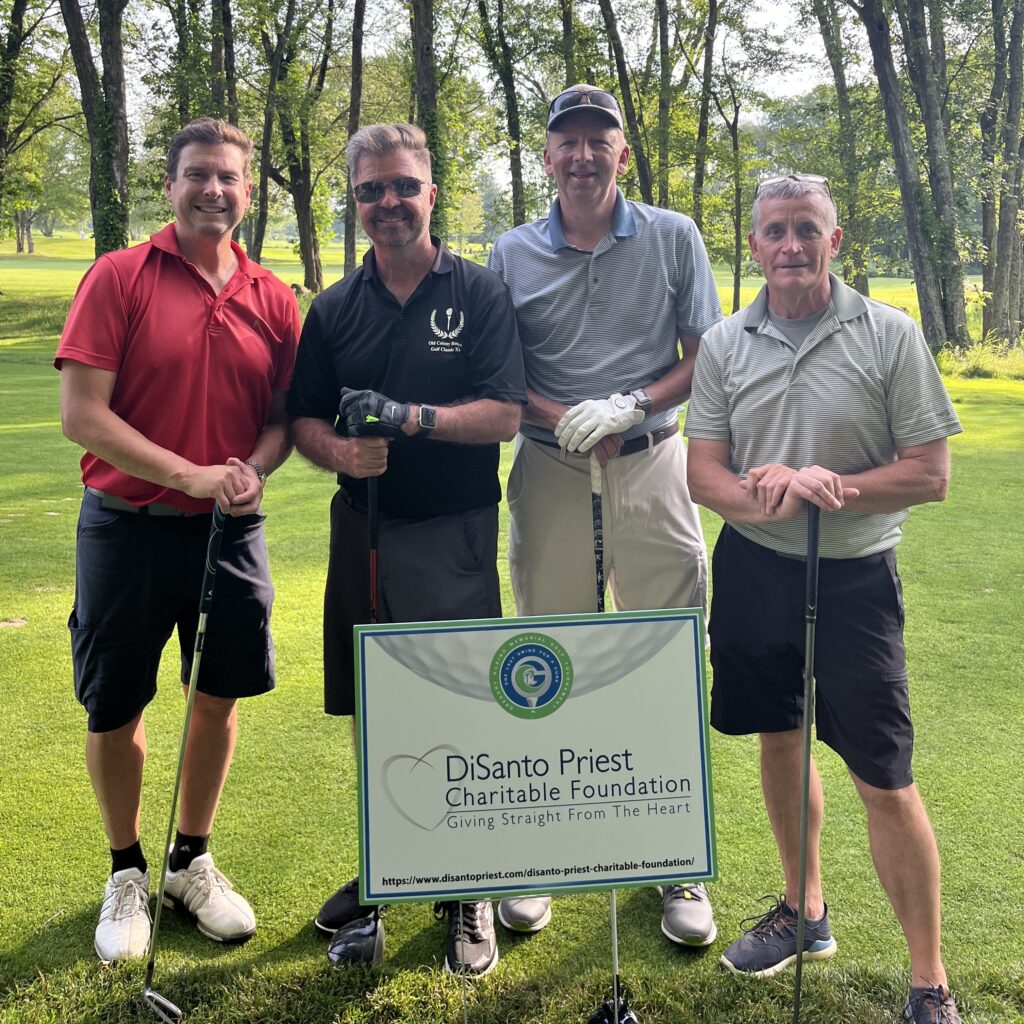
In Rhode Island, the Drive for a Cure: Gregory Rubino Memorial Golf Tournament has been an annual labor of love for five years, raising approximately $68,000 to fund lifesaving research in Gregory’s memory. Gregory’s brother, Joseph Rubino, leads this special event alongside family and friends. With local sponsors, live music, dinner, and exciting raffles, the tournament has become a cherished tradition that brings hope to all who attend.

Gregory’s story began in late 2020, when he experienced headaches and confusion that led to a devastating diagnosis — stage 4 lung cancer that had spread to his brain. Just five months later, Greg passed away, leaving behind a legacy of strength and love.

This year marked the tournament’s final event, and it was truly one for the books. On behalf of LCRF and everyone impacted by lung cancer, we extend our heartfelt gratitude to the Rubino family for continuing Gregory’s legacy through this remarkable fundraiser.

Whether it’s cornhole or golf or another sport, events like these remind us that coming together can spark real change! (and create some friendly competition!)


Feeling inspired? Want to learn more? Email Emma at enestler@LCRF.org or visit LCRF.org/YourWay.
This Lung Cancer Awareness Month, we’re celebrating the creativity and courage of supporters who turn gatherings into impact. From trivia nights to annual parties, these events raise awareness, fund research, and bring people together to spread hope.

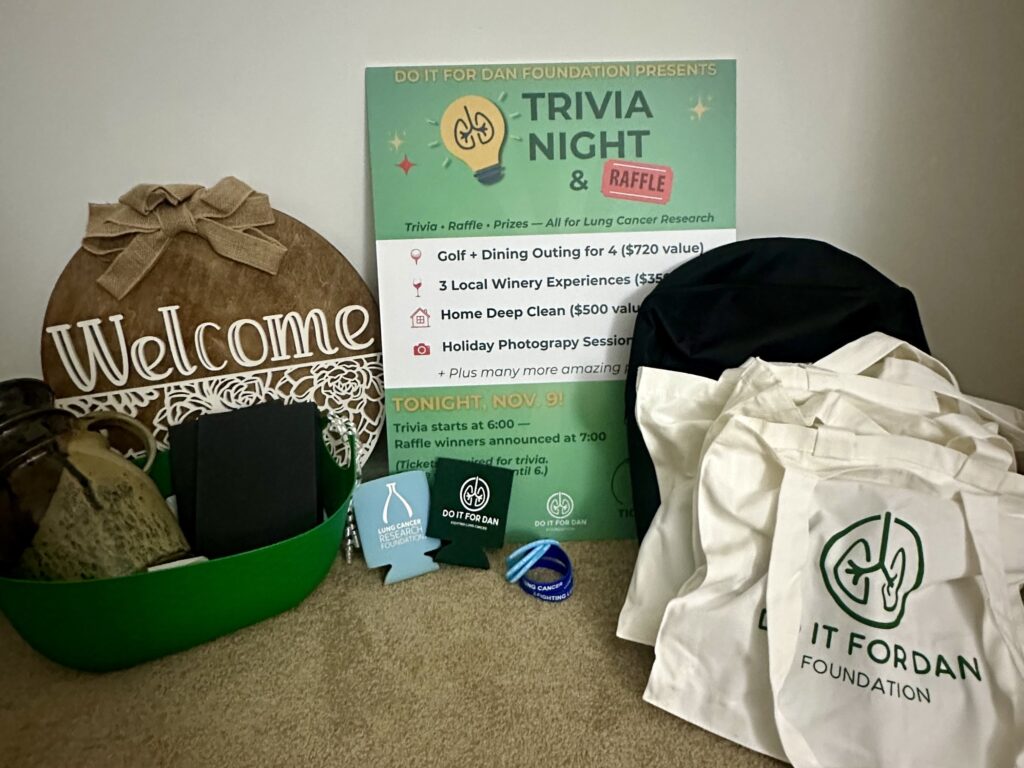
Do It for Dan: Trivia Night

“The Do It for Dan Foundation was created to honor Dan’s legacy by turning our grief into meaningful action.”

When Dan Begg was diagnosed in November 2023 with Stage IV non-small cell lung cancer caused by a rare EGFR Exon 20 insertion mutation, he was just 32 — healthy, active, and full of life. Despite the only targeted therapy and a clinical trial, he passed away six months later.

In his final days, Dan made one last act of generosity by choosing to donate his body to the National Cancer Institute to support future research. His tumor is now part of a groundbreaking study at MD Anderson Cancer Center, one of the first of its kind for this rare mutation.

His wife, Josephine, created the Do It for Dan Foundation to honor his legacy by “turning our grief into meaningful action.” She says, “I lost my husband after just six months. He had a rare mutation, and the only available treatment didn’t work. For him — and for our daughter — I wanted to do something that could help ensure other families have more options than we did.”

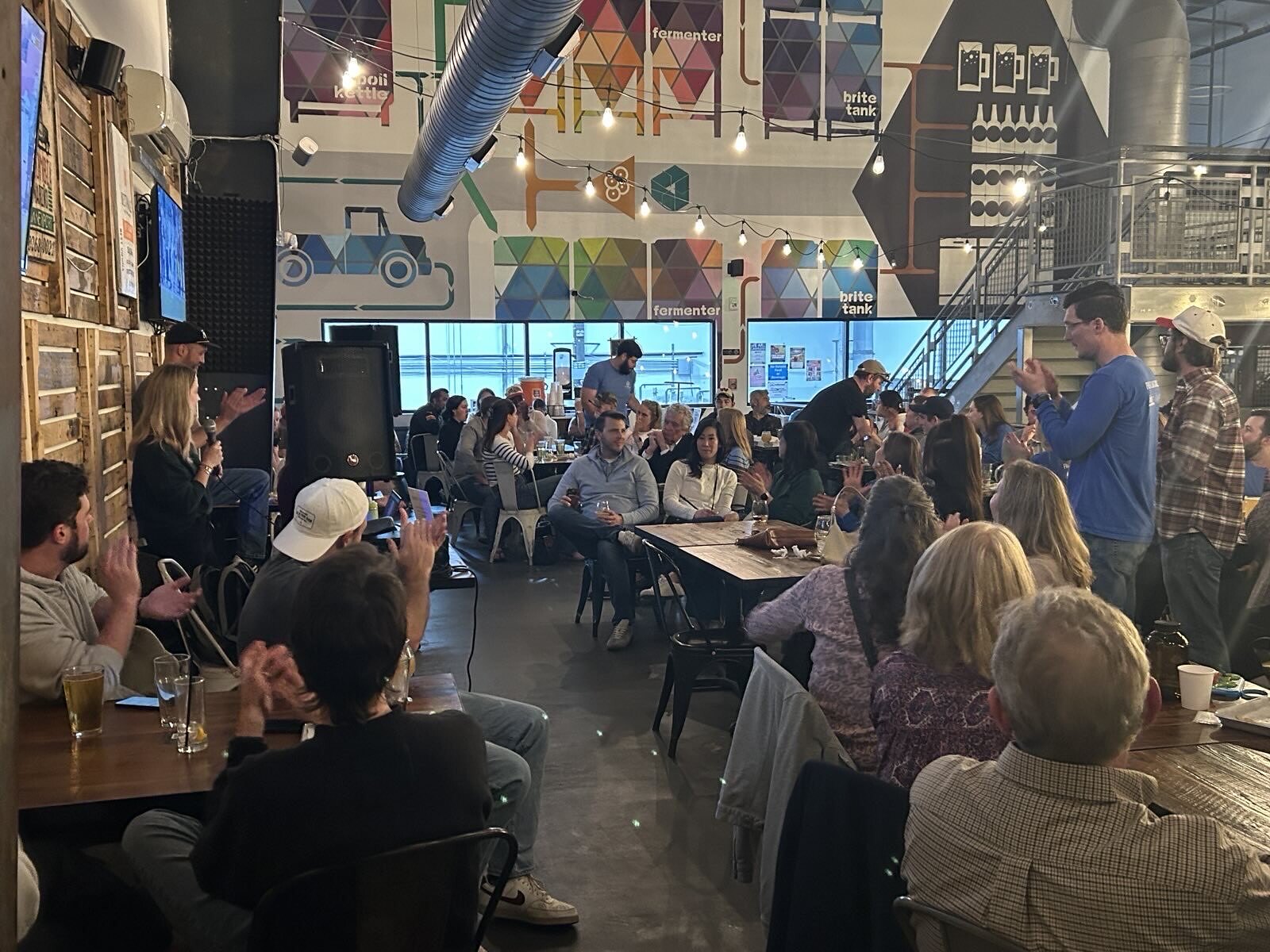
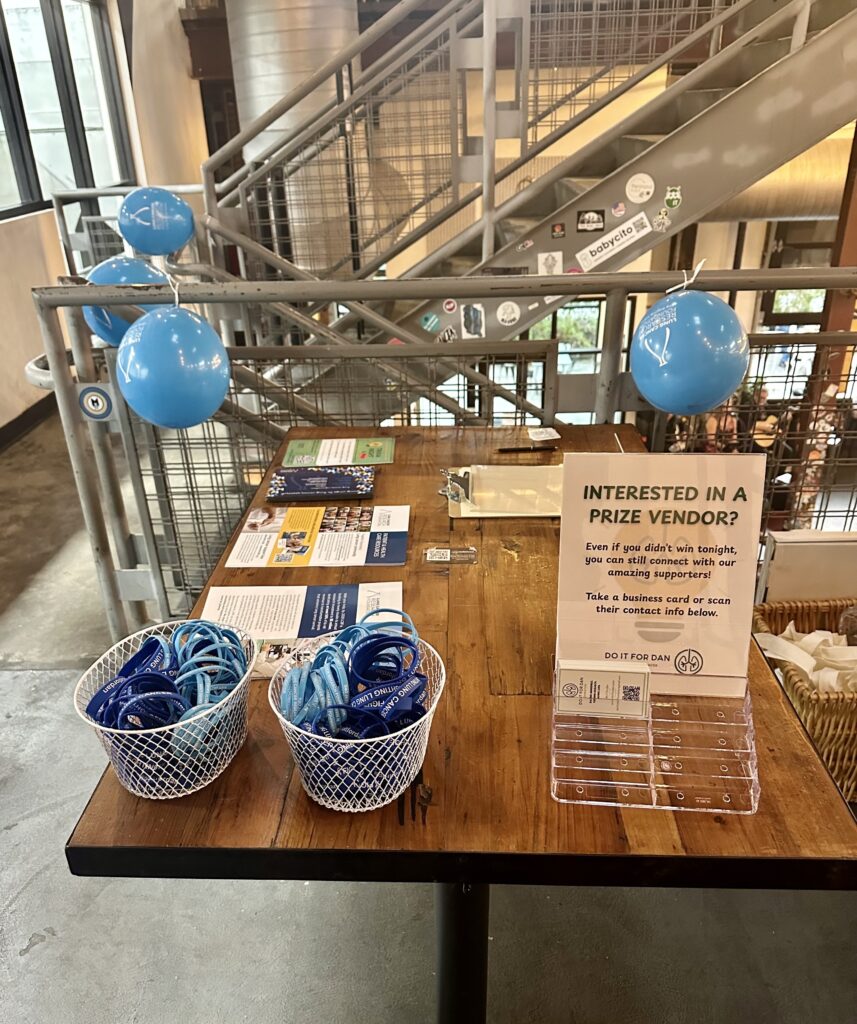
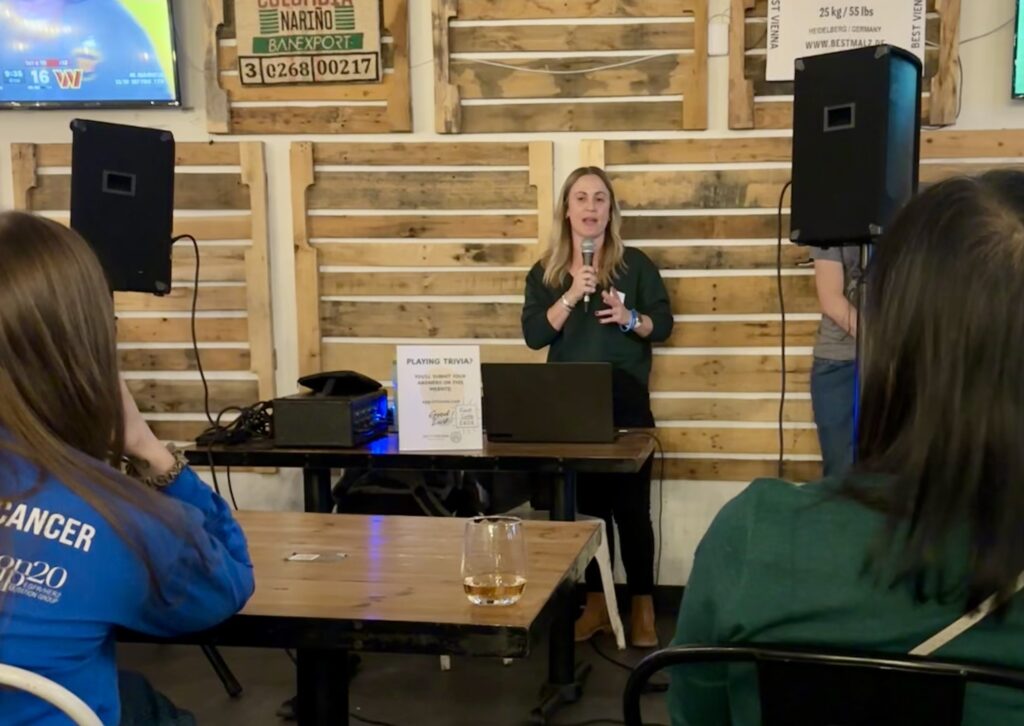
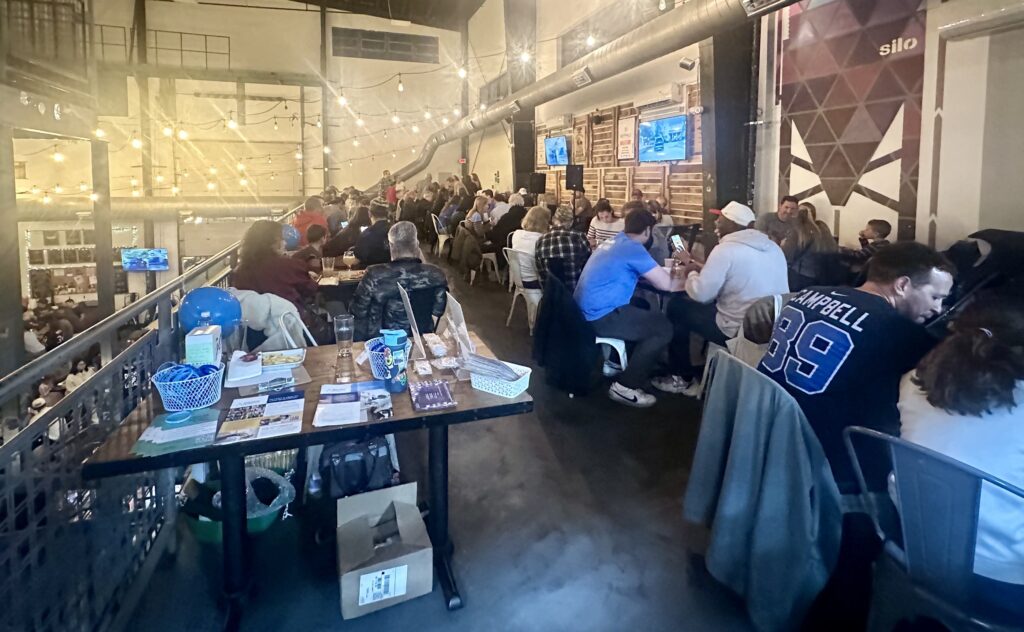
Determined to keep his spirit alive, Josephine decided to try something new — a Trivia Night for Research. “We’d hosted other fundraisers before, but I wanted an event that really brought people together in a fun, interactive way,” she explains. “Trivia felt like the perfect fit.”

With the help of friends and family, she organized a night filled with laughter, connection, and purpose: a reflection of how loved Dan was. Each round of trivia didn’t just spark competition; it sparked conversation about why lung cancer research and awareness are so vital.

Josephine says that for her, “Hope is seeing more FDA-approved immunotherapy treatments and more drugs moving successfully through clinical trials. Some mutations have only one treatment option, and others have none. Expanding those options is what hope means to me.”

Her advice for others thinking about hosting their own fundraiser? “You absolutely can. If everyone believed their contribution didn’t matter, no one would ever try. Even a small impact is still an impact. Research ideas, get creative, and don’t hesitate to reach out and cold email everyone! You’ll be amazed by how many local businesses and community members are eager to help make a difference.”

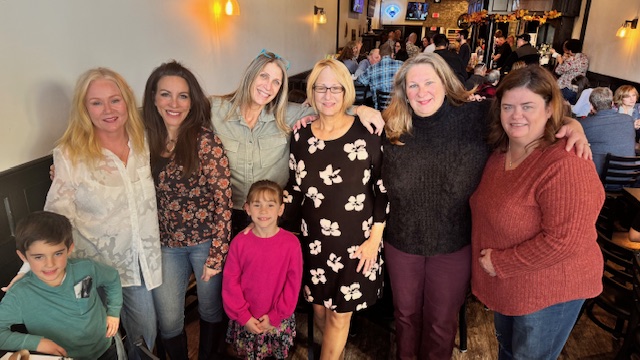
Jeanne May Coffey: 10th Anniversary Blow Out

“This year is in memory of my biggest supporter: Mom.”

Jeanne’s story is one of incredible resilience. After surgeries, chemotherapy, radiation, and a targeted therapy, Jeanne has remained positive. “Hope looks good to me as a lung cancer patient,” she says. “From day one, I’ve put in my mind that I am no different than before my diagnosis. All the research done before has allowed me to live a regular, happy life. Research is the key for me — for myself and for others.”

This is Jeanne’s 10th year raising funds for lung cancer research, with more than $95,000 donated to date. The celebration every year includes generous prize donations, a special JetBlue raffle, live music, dancing, drinks, food and great company!
“I have always been a giving person,” Jeanne says. “I had always wanted to host a fundraiser — this awful diagnosis gave me the reason. The rally of people behind me gave me the strength and perseverance to do it the first year after diagnosis.”

Jeanne wants to share to her friends, family and medical team: “Thank you for supporting our efforts over the last nine years. We’re so grateful for our physicians and for you.”

“My advice for anyone thinking about hosting their own fundraiser? Do it! You’ll feel so good being part of helping research go on. You’ll find people who want to help, and you’ll meet others whose lives have been touched by cancer. Fundraising means the world to me — it makes me feel part of a team in the fight against this disease.”


Feeling inspired? Want to learn more? Email Emma at enestler@LCRF.org or visit LCRF.org/YourWay.
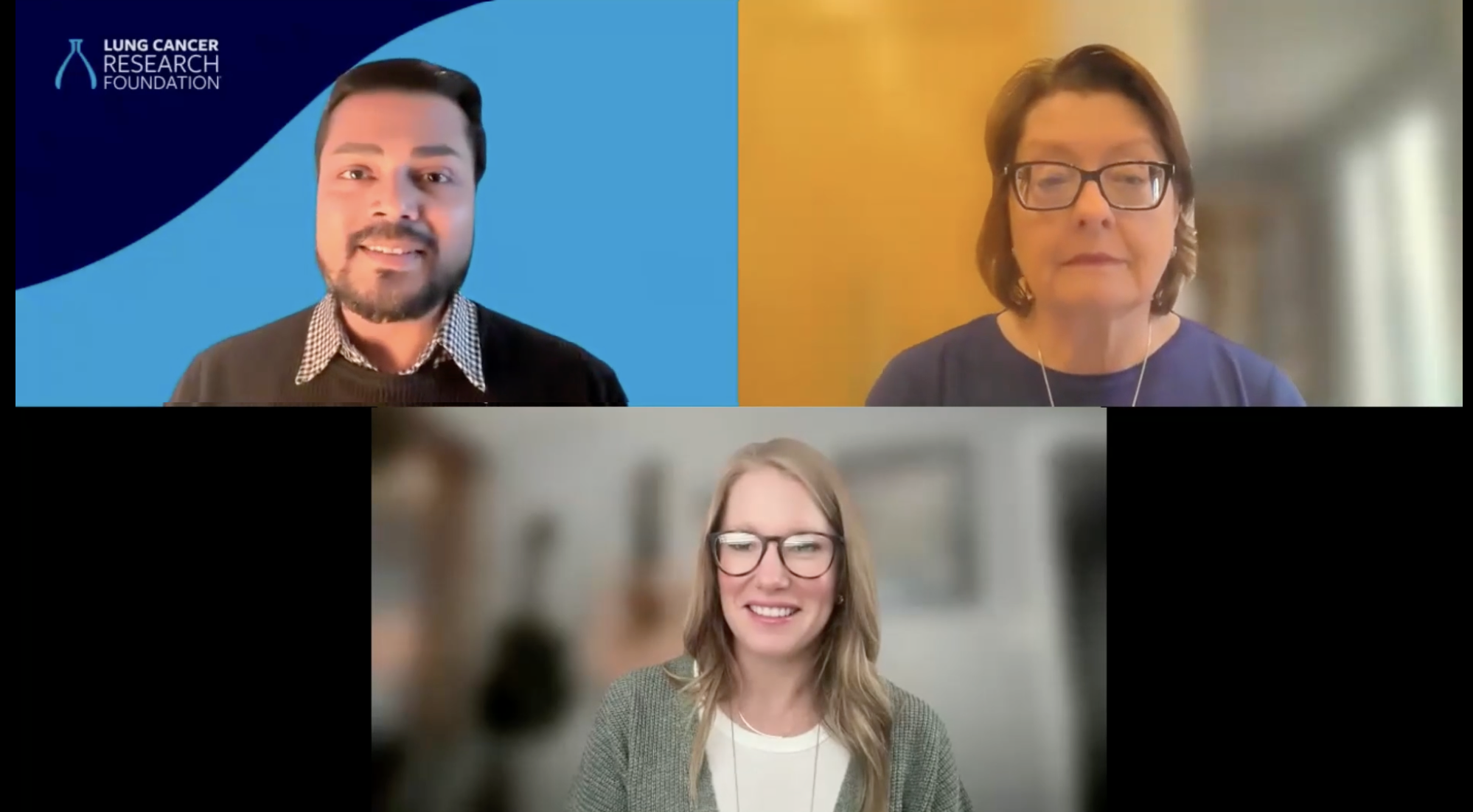
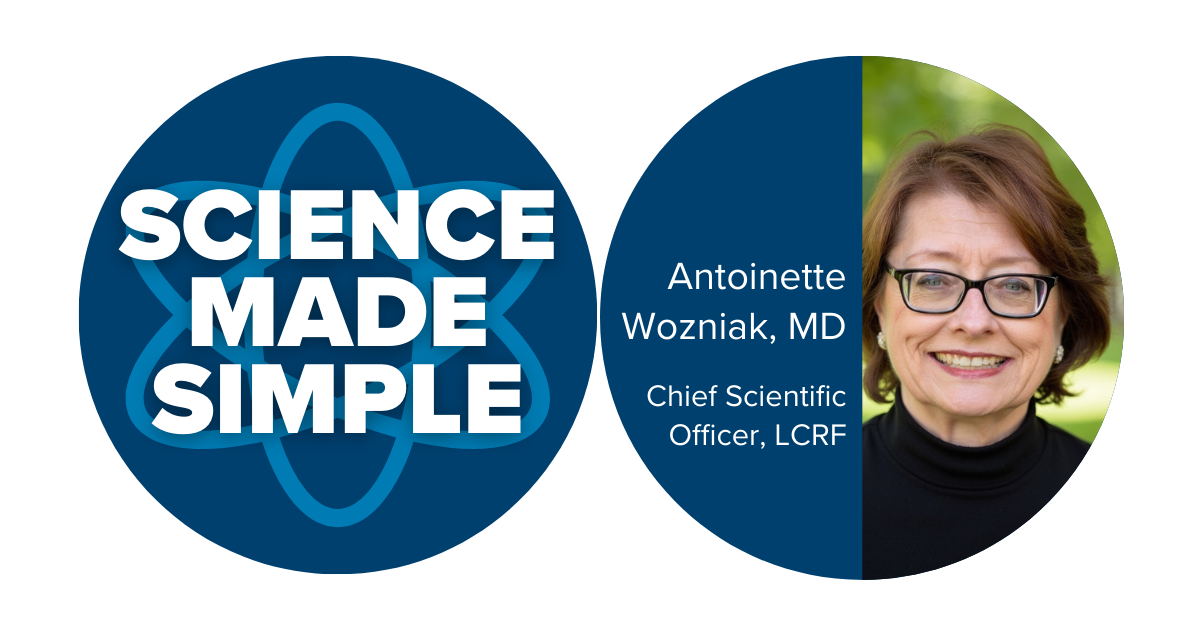
LCRF’s science team discusses this year’s research grant program, its recent Scientific Symposium, and what’s ahead. Watch the clip below.

Featured:
Aubrey Rhodes, LCRF Executive Director
Dhru Deb, PhD, Senior Director, Research & Administration
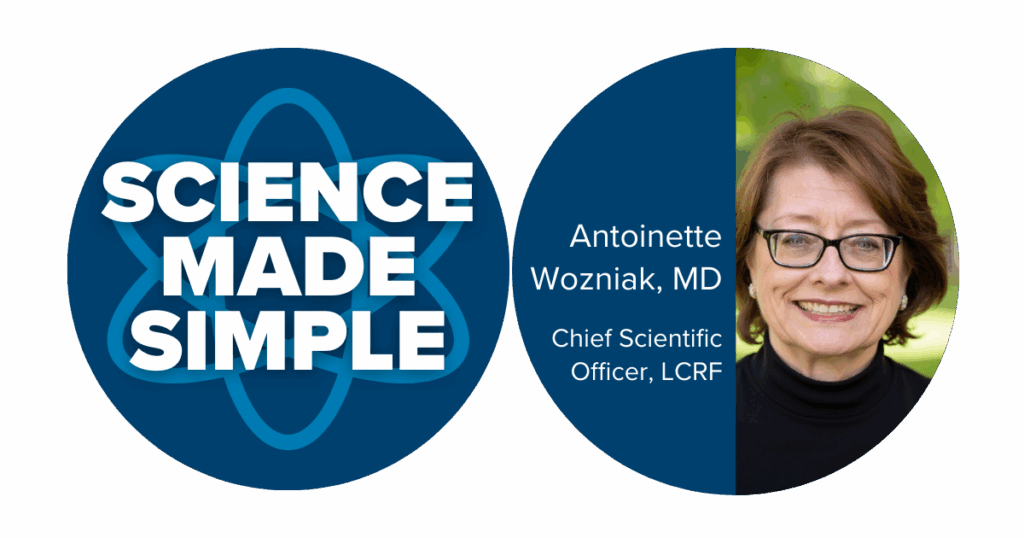
Antoinette (Toni) Wozniak, MD, Chief Scientific Officer

Watch the recording of this year’s Scientific Symposium here.

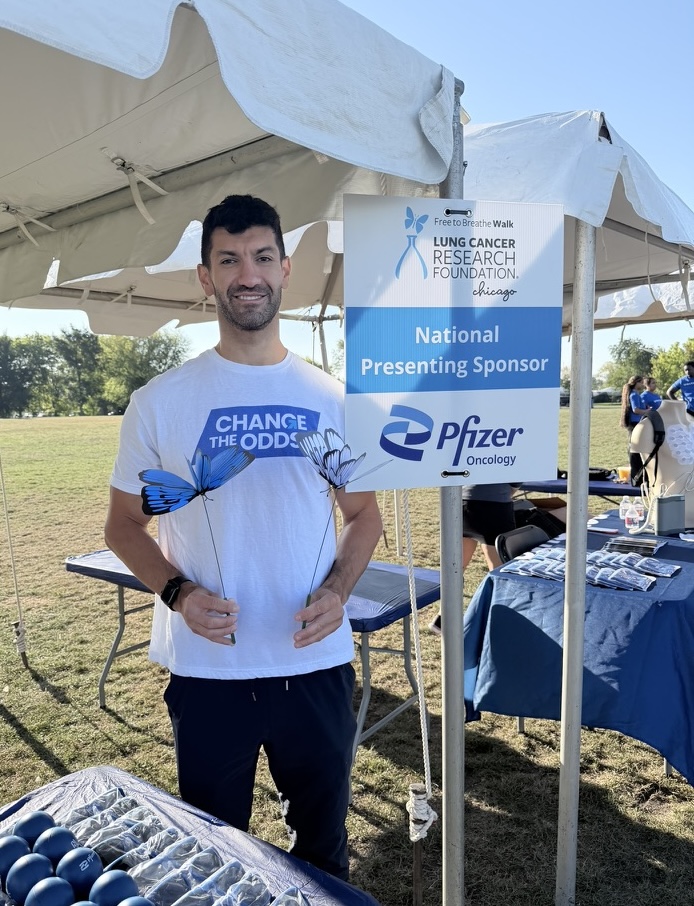
The Lung Cancer Research Foundation is proud to recognize Pfizer Oncology as the National Presenting Sponsor of our Free to Breathe Events Program. Their continued partnership has been instrumental in helping communities across the country come together in hope, remembrance, and action.

Turning a meeting into meaning

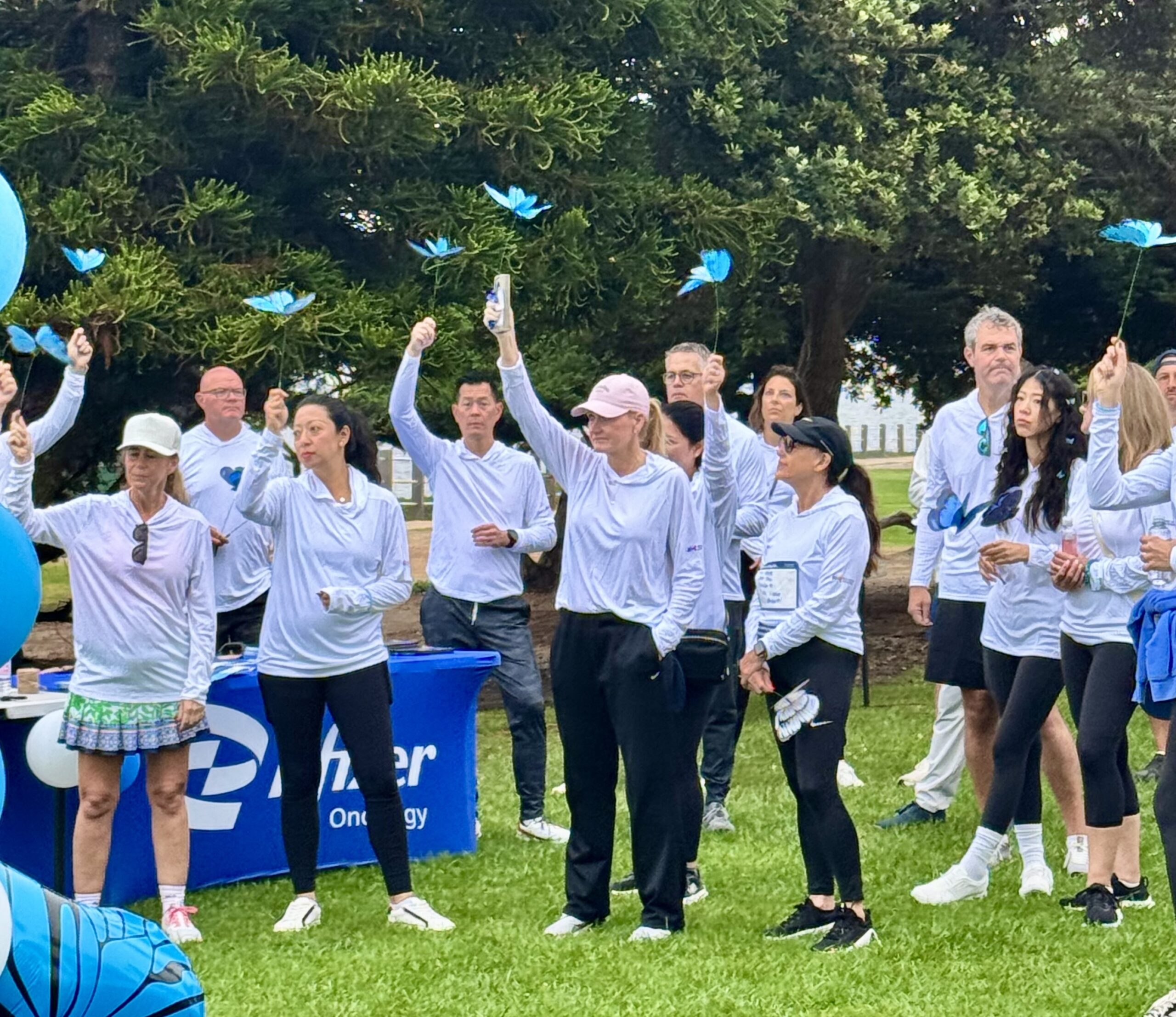
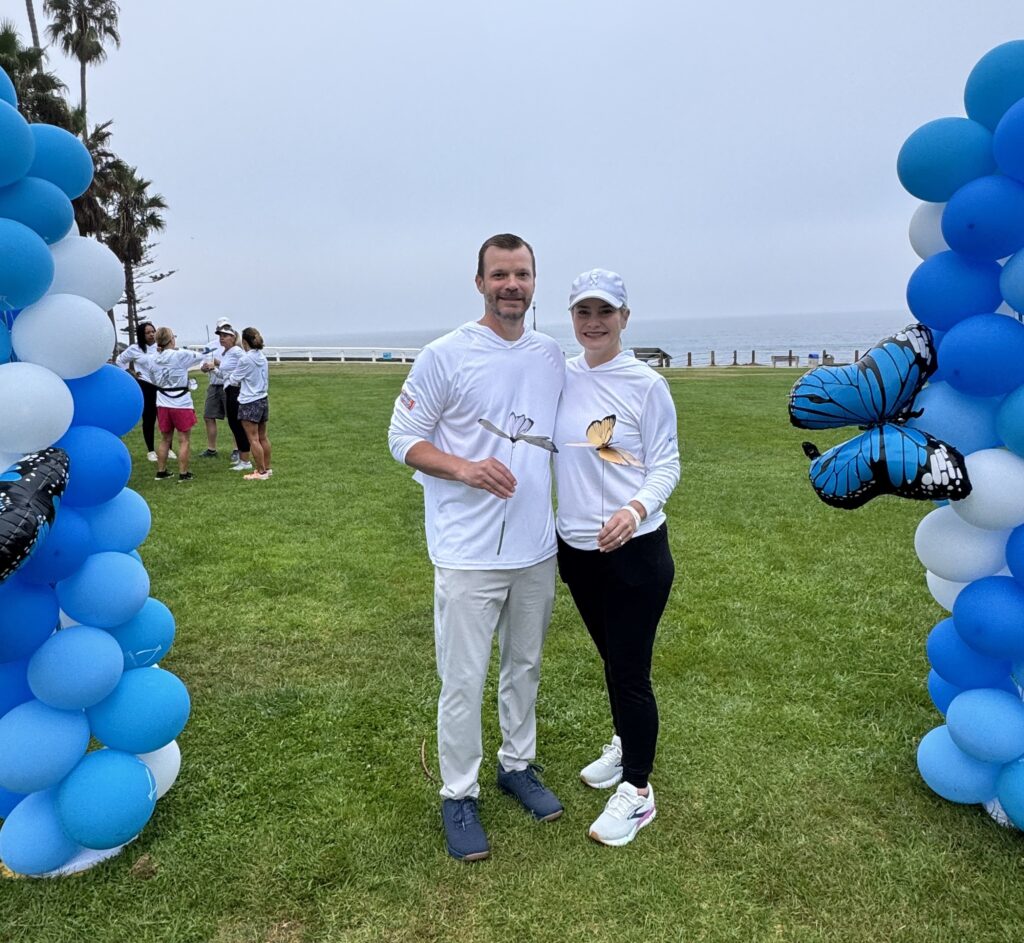
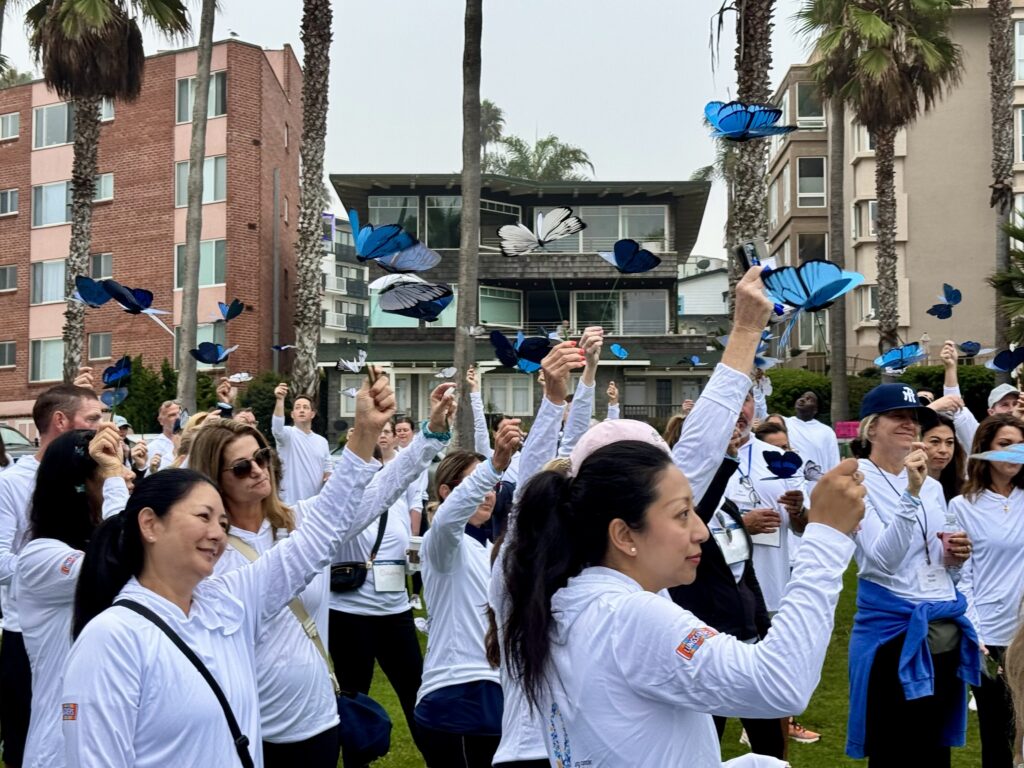
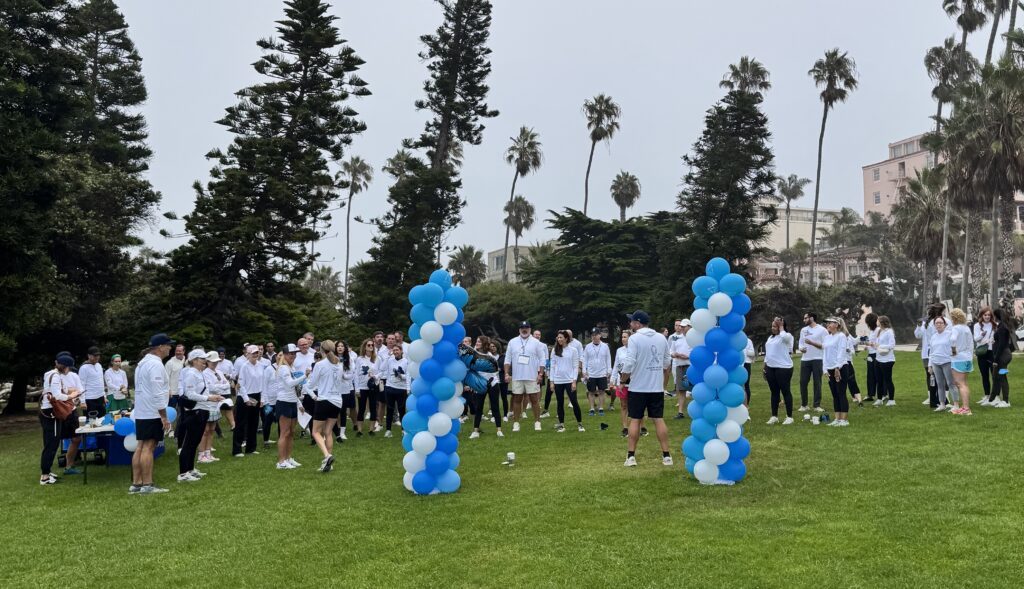
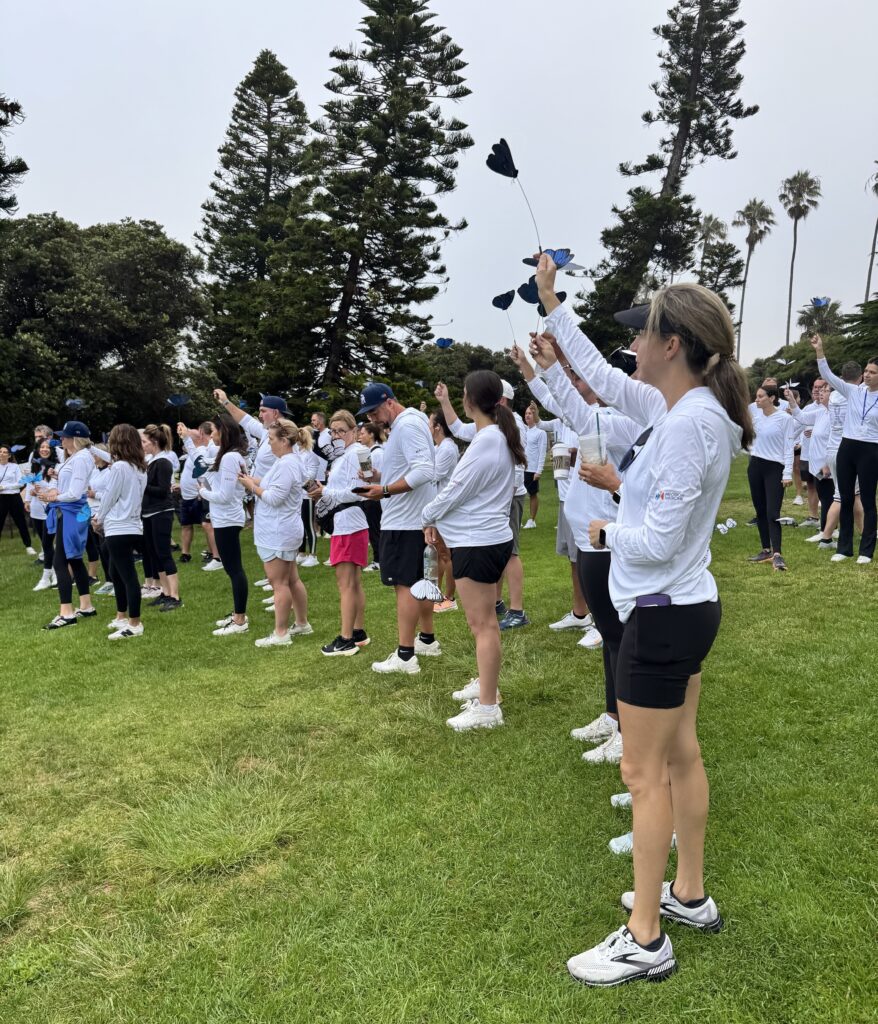
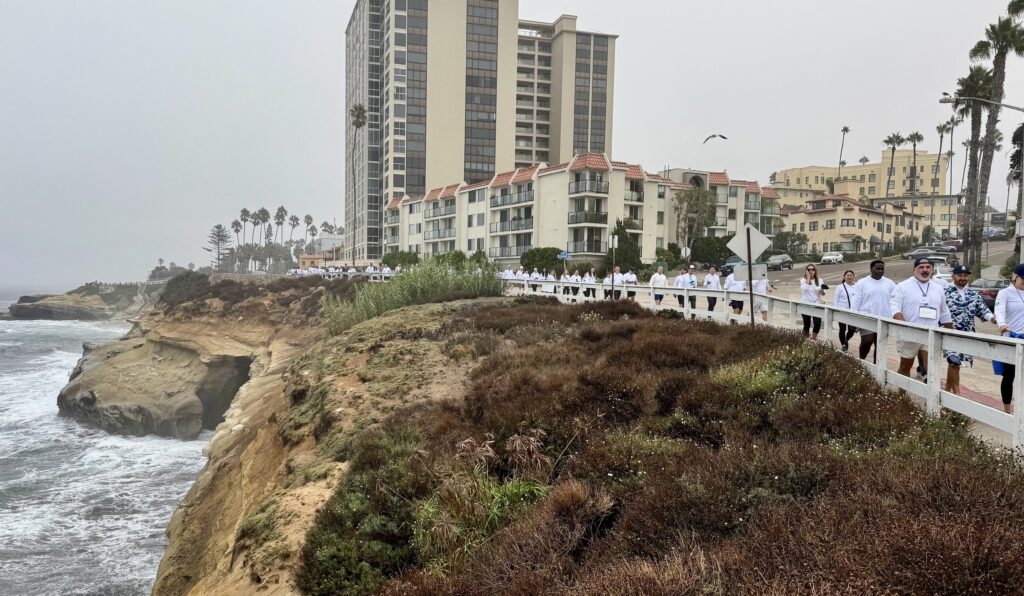
Pfizer’s dedication to lung cancer research and patient support extends far beyond sponsorship. This year, their Precision Medicine team hosted a Free to Breathe Walk right on their campus during their annual team meeting in La Jolla, CA. The group organized their own opening ceremony, symbolizing unity with the lung cancer community nationwide. It was a moving display of their team’s passion and personal commitment to the cause.

Walking with purpose

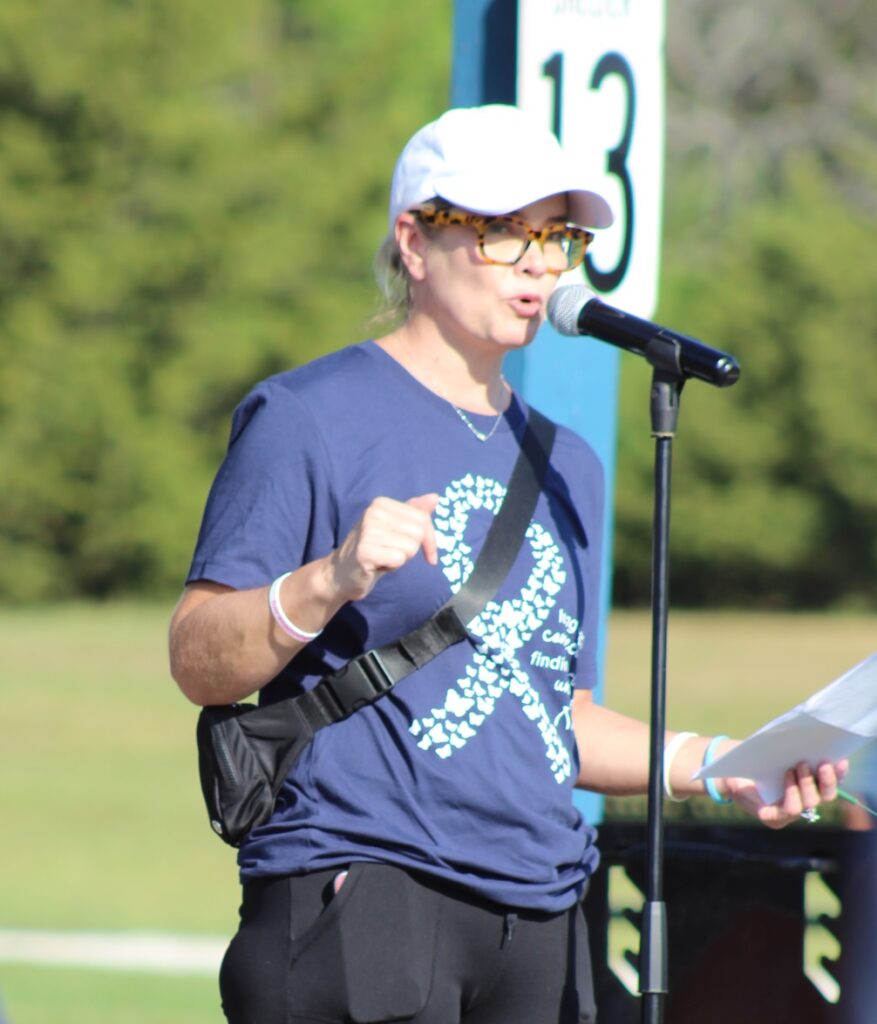
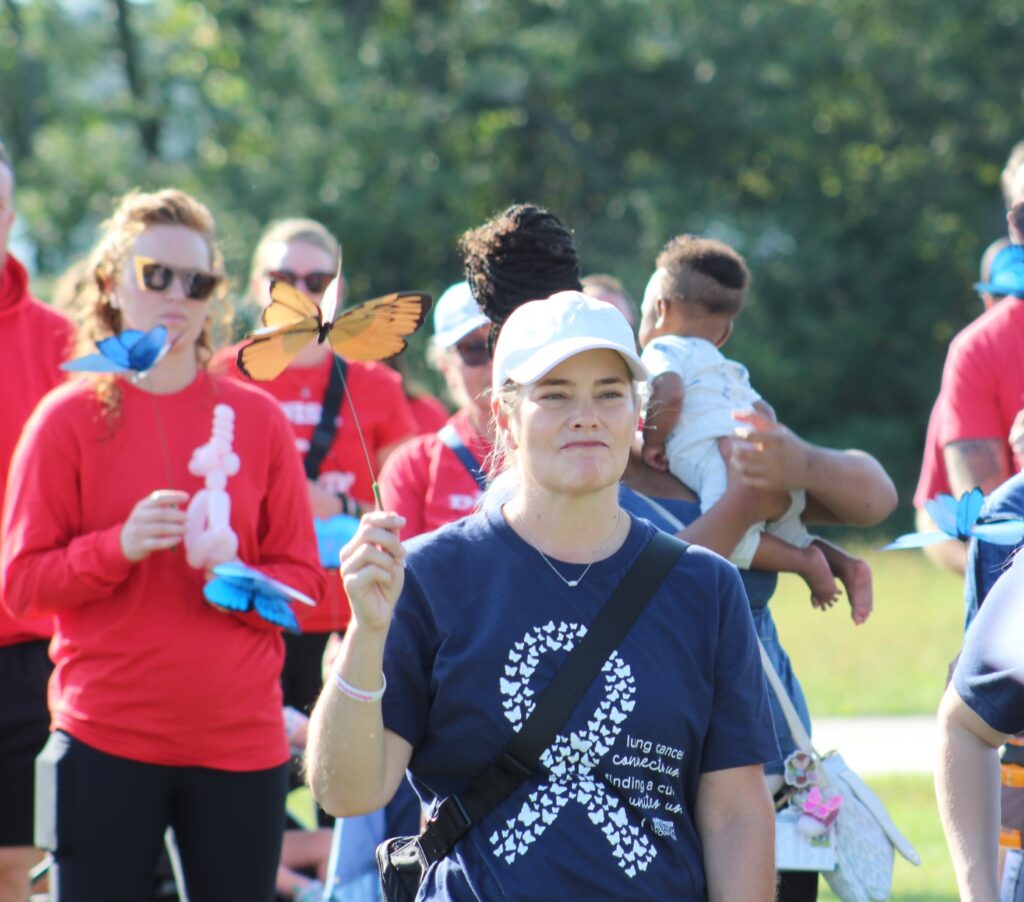
That spirit of solidarity has been felt across the country. Pfizer supported our Free to Breathe Chicago Walk, which brought together more than 700 attendees in the fight to end lung cancer. And at our Free to Breathe Kansas City, the community was deeply inspired by Kelly Huffman, a Pfizer employee living with lung cancer, who shared her story of courage and resilience during the opening ceremony. Her message of hope reminded everyone that funding research truly makes a difference.

No one in this family fights alone

Pfizer’s Precision Medicine team lives by the motto: “No one in this family fights alone.” Those words perfectly capture what the Free to Breathe community stands for—coming together as one family, walking side by side to fund groundbreaking research and support those affected by lung cancer. “We’re incredibly grateful to Pfizer Oncology for their partnership, passion, and leadership in advancing our collective mission,” said Emma Nestler, LCRF’s Senior Manager, Community Engagement. “Together, we’re walking toward a future free from lung cancer.”

NEW YORK, NY (November 11, 2025) – The Lung Cancer Research Foundation (LCRF) is pleased to welcome Benay Taub to its Board of Directors.

Benay Taub

Benay Taub was diagnosed with Stage IV lung cancer in June 2024, despite having no known risk factors for the disease. Her experience has inspired her to raise awareness, foster understanding, and advocate for increased funding to advance life-saving and life-changing lung cancer research. She is deeply committed to supporting innovation and is hopeful that progress will lead to better treatments and brighter futures for all those affected by lung cancer.

Benay earned her undergraduate degree from the University of Pennsylvania and her law degree from Brooklyn Law School. She is a Mediator in the State of New York and has been actively involved in numerous charitable and community-based organizations, serving on several Boards of Directors. She also holds certificates from the International Culinary Center and the New York Bartending School.

Benay and her husband, Steven, are the proud parents of four children.

Most recently, Ms. Taub was the featured patient speaker at the LCRF Evening of Innovation gala, and the Taubs have funded an LCRF Team Science award titled 2025 LCRF Team Science Award on Advancing Therapies Toward Curing EGFR Mutated Lung Cancers, which will be awarded in early 2026.

“It is meaningful for me to be joining LCRF as a board member,” said Benay Taub. “Lung cancer research, which has been historically underfunded, is the reason that people like me have hope for the future. I look forward to working with the other board members and staff, helping LCRF shape its future in funding impactful research that will continue to save lives.”

“Benay’s energy and drive will be a great addition to LCRF’s Board of Directors,” remarked Colleen Conner Zeigler, chair of LCRF’s board. “Having her perspective as someone with a relatively new diagnosis will be instrumental as we embark on our strategic plan to double the organization’s research investment. We’re excited to have her with us.”

“Benay understands what it takes to turn big ideas into meaningful progress,” said Aubrey Rhodes, LCRF’s executive director. “She bridges her lived experience with the latest research advances, highlighting the real-world impact that science has on the entire lung cancer community. Her leadership as an LCRF board member will be invaluable as we expand our research program to improve outcomes and extend survival for people living with lung cancer.”

To learn more about LCRF, its volunteer leadership, its funded research, and its grants program, visit www.LCRF.org.

# # #

About the Lung Cancer Research Foundation (LCRF)
The Lung Cancer Research Foundation® (LCRF) is the leading nonprofit organization focused on funding innovative, high-reward research with the potential to extend survival and improve quality of life for people with lung cancer. LCRF’s mission is to improve lung cancer outcomes by funding research for the prevention, diagnosis, treatment, and cure of lung cancer. To date, LCRF has funded 431 research grants, totaling nearly $49 million, the highest amount provided by a nonprofit organization dedicated to funding lung cancer research. For more information, visit lcrf.org.

Contact:
Sheila Sullivan
Sr. Director, Marketing & Communications, LCRF
ssullivan@LCRF.org
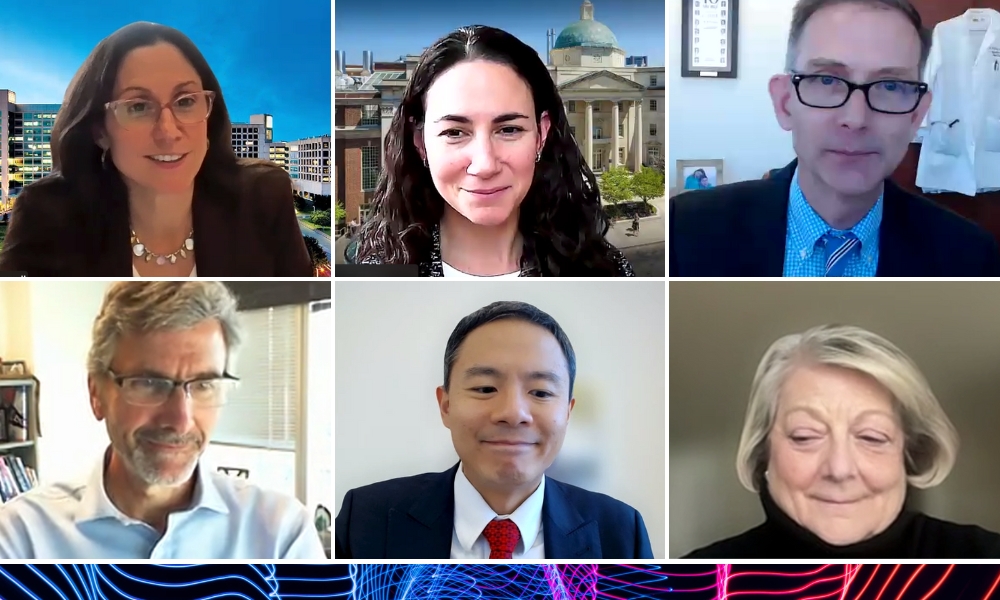
LCRF’s 2025 Scientific Symposium, Current and Emerging Hot Topics in Lung Cancer, was held November 5 to kick off our Lung Cancer Awareness Month activities. Watch the replay below. The slide deck can be downloaded here.
Learn more about our program participants:

Host


Kathryn A. O’Donnell, PhD
Associate Professor, Department of Molecular Biology,
UT Southwestern Medical Center;
Co-leader, Development and Cancer Program, Simmons Comprehensive Cancer Center

Chair, LCRF Scientific Advisory Board

Presenters

Sarah Goldberg, MD, MPH
Associate Professor of Internal Medicine (Medical Oncology) and Associate Director, Hematology/Oncology Fellowship Program;
Research Director, Center for Thoracic Cancers, Yale School of Medicine

Member, LCRF Scientific Advisory Board


Colleen Conner-Ziegler
Patient Advocate

Chair, LCRF Board of Directors


Chi-Fu Jeffrey Yang, MD
Thoracic Surgeon, Massachusetts General Hospital;
Founding Director, MGH CAIIRE;
Associate Professor of Surgery, Harvard Medical School
Founder and Chair, American Lung Cancer Screening Initiative

Don L. Gibbons, MD, PhD
Isaiah J. Fidler Professorship in Cancer Research, Professor & Deputy Chair;
Director, Translational Genetic Models Laboratory;
Co-Leader, Lung Cancer Moon Shot Program;
Dept. Thoracic/Head and Neck Medical Oncology, Dept. Molecular & Cellular Oncology, MD Anderson Cancer Center

James DeGregori, PhD
Professor, Biochemistry and Molecular Genetics;
Courtenay C. and Lucy Patten Davis Endowed Chair in Lung Cancer Research;
Deputy Director, University of Colorado Cancer Center, University of Colorado Anschutz

Moderator


Isabel Preeshagul, DO, MBS
Assistant Attending Physician, Thoracic Oncology,
Memorial Sloan Kettering Cancer Center

LCRF Education and Engagement Committee Chair

Sometimes, the most powerful fundraisers start with the simplest idea: a pitcher of lemonade and a whole lot of heart.

This summer, several young supporters showed how something as small as a lemonade stand can make a big impact on lung cancer research.

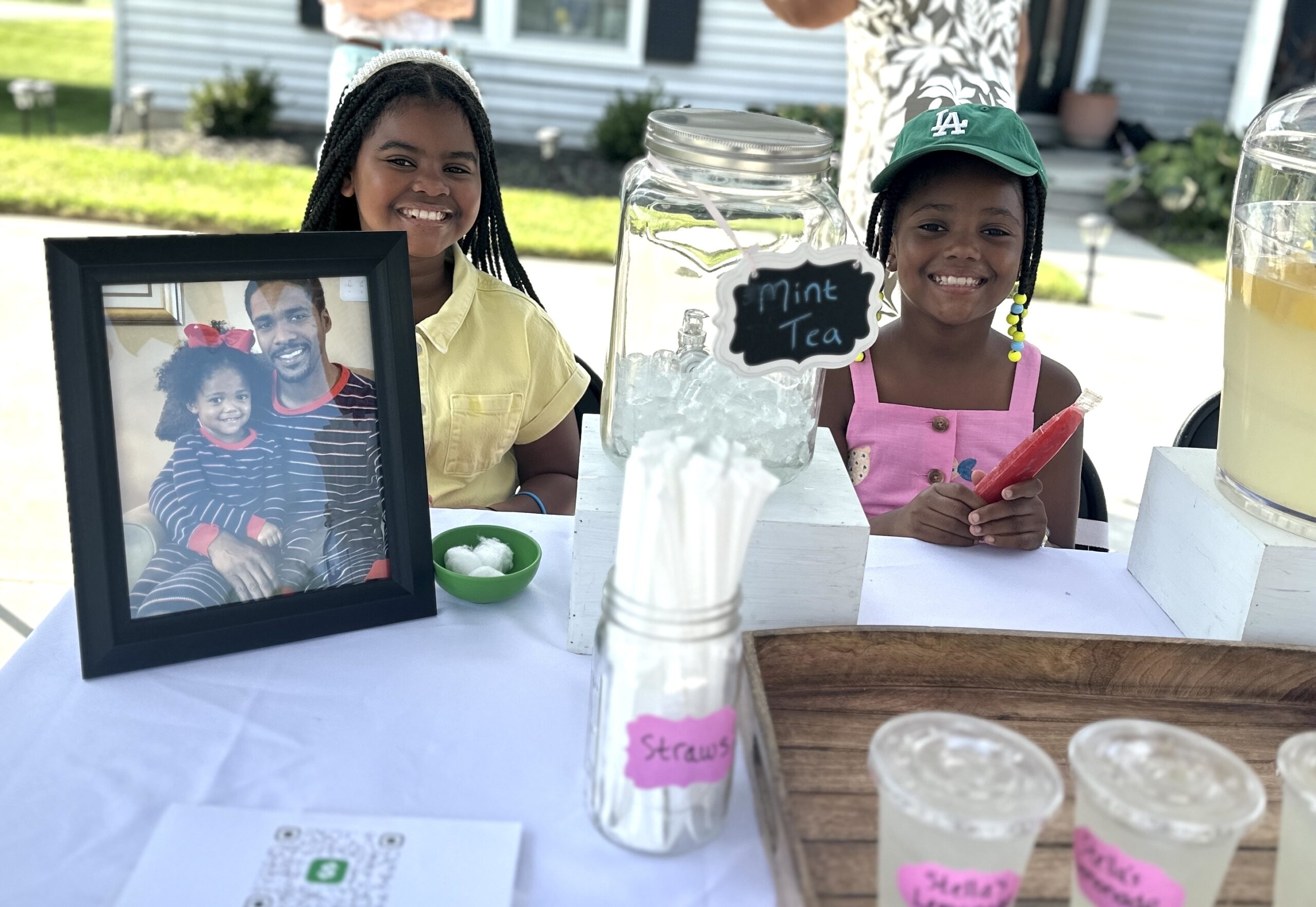
Stella hosted her stand at her grandma’s house this August to honor her dad, Jackie DeShazo Jr., who passed away from lung cancer in 2020 at age 35 — when Stella was just 3 years old. “My dad loved my grandma’s lemonade,” she said. “I wanted to honor him by making lemonade and raising money to support other people and families.” When asked her one word to describe her experience, Stella said, “Fantastic!”

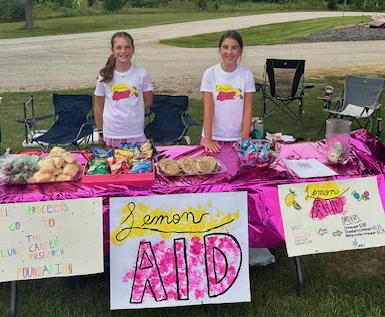
Stella (right) and a friend at her lemonade stand

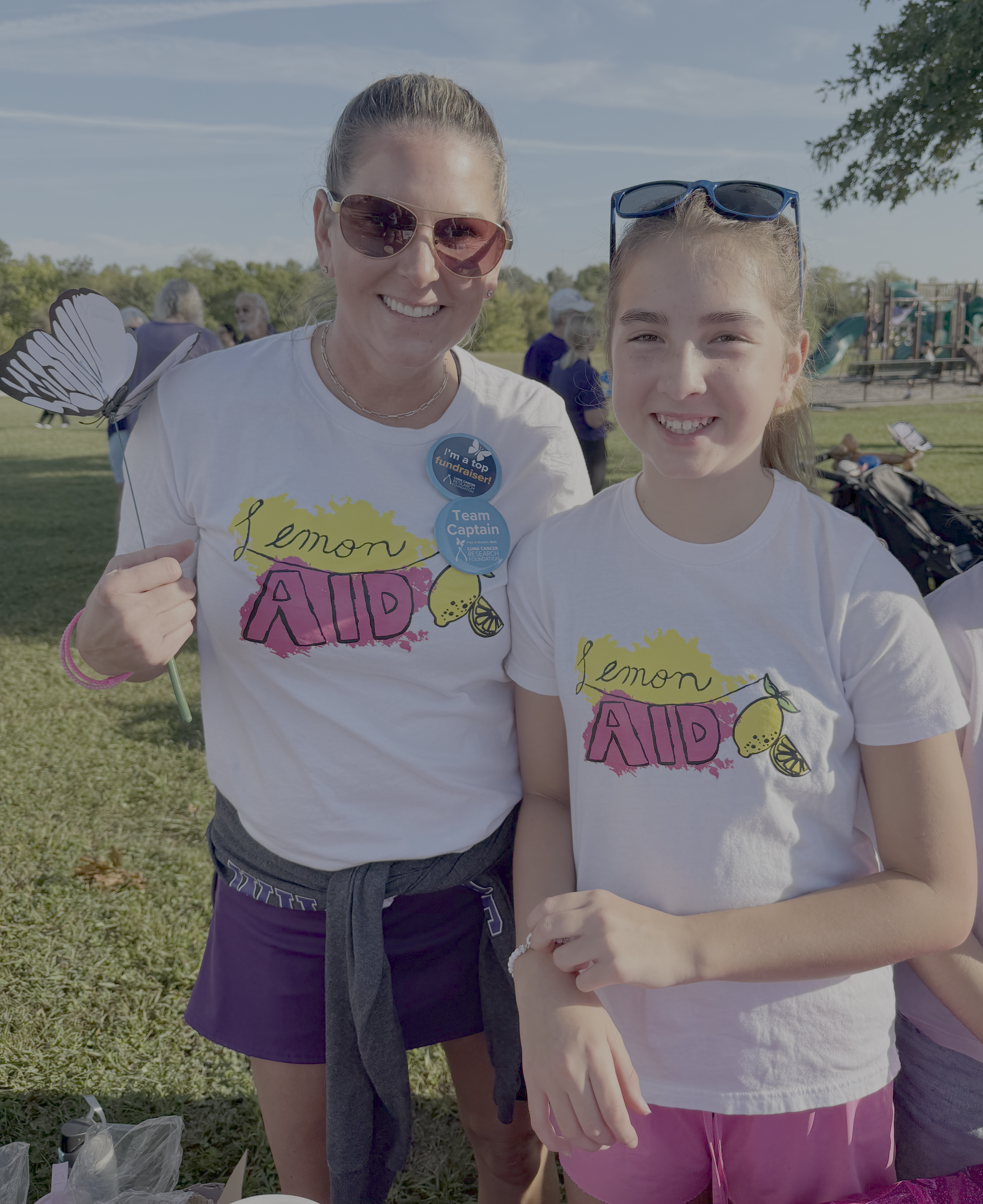
Wynter spent her summer running a “LemonAID” stand to show support for her dad, Jeremy Heinen, who is living with lung cancer. “My daddy was diagnosed with lung cancer in April 2024,” Wynter said. “It has inspired me to raise money for lung cancer research so maybe someday no kid will have to watch their daddy fight this ugly disease ever again.”

Her mom, her mom’s best friend, and several of Wynter’s friends pitched in to set up the booth, prepare and sell treats, and accept donations.

Along with lemonade, Wynter baked cookies, made white ribbon bracelets, and poured love into every cup she sold to show her dad how much she believes in him.

“My advice for someone thinking about hosting their own fundraiser is to just jump in and just do it,” she said. “I’m only 10 years old, came up with this idea on my own, and we raised almost $10,000. If I can do it (with a little help from my parents and friends), then anyone can!”


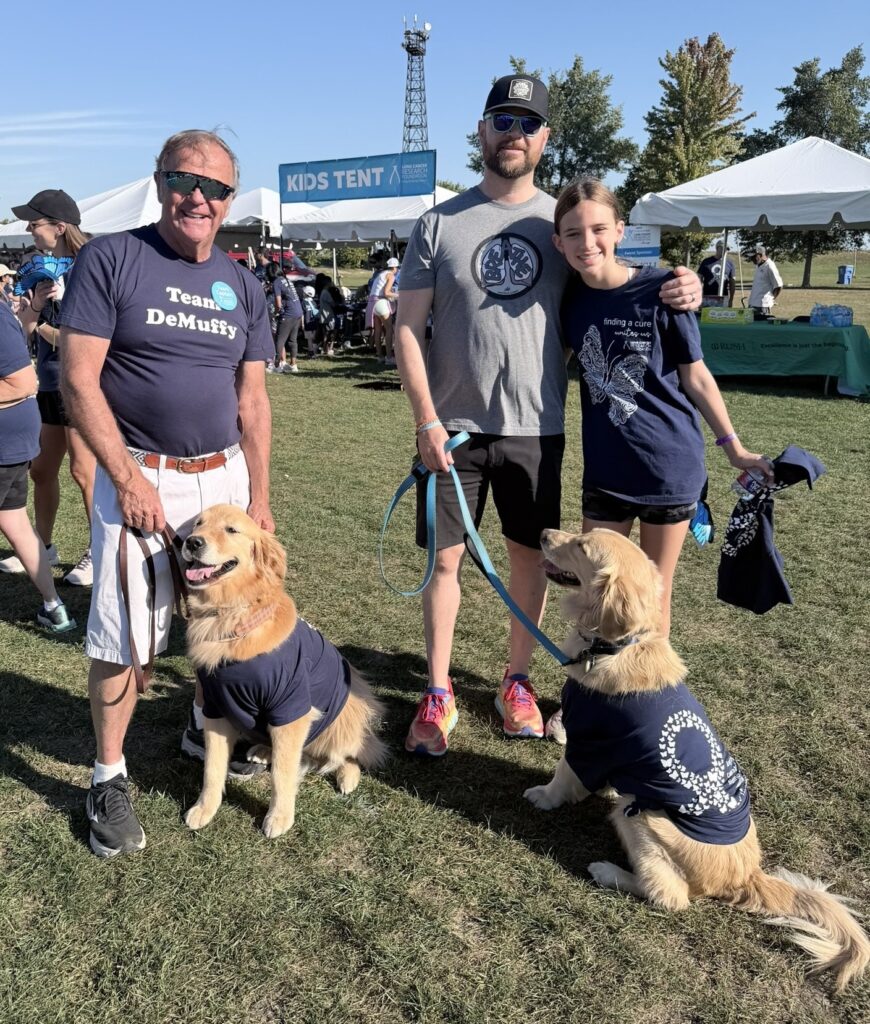
The Duffy family hosts their stand every year before the Chicago Free to Breathe Walk in memory of Lesley DeMaio Duffy, who passed away at 41 in 2018. Their team, Team DeMuffy, brings all the kids together to sell lemonade, raise funds, and celebrate Lesley’s life and legacy.

A few members of Team DeMuffy at this year’s Free to Breathe Chicago Walk

All of these kids are proof that when you mix love, creativity, and purpose, you can turn something hard into something hopeful. They remind us that fundraising can involve the whole family — it brings people together, teaches compassion, and spreads hope with every glass poured.

“Any little bit helps. If it means it saves one person from this awful disease, or gives someone extra time with their loved ones, then it makes all of this worth it,” Wynter said.