The U.S. Food and Drug Administration (FDA) has granted accelerated approval to zenocutuzumab-zbco for the treatment of adult patients with advanced, unresectable, or metastatic non-small cell lung cancer (NSCLC) or pancreatic adenocarcinoma that harbors a gene fusion involving neuregulin 1 (NRG1). The drug is approved for use following disease progression during or after prior systemic therapy.
Why it’s important
NRG1 is important in the development of the neurologic system and other biologic processes. Fusions or rearrangements of the NRG1 gene are rare and can occur in 0.2% of NSCLC and in other types of cancer. The NRG1 proteins bind to HER3 promoting cancer development. Patients who have this abnormality in their tumor do not do as well with standard treatment.
Zenocutuzumab is a bispecific antibody (binds to 2 targets) that blocks the interaction between NRG1 and both HER2 and HER3. The drug was evaluated in the eNRGy study which was a “basket” trial of patients with previously treated cancer. A trial of this type means that it is open to patients with any kind of cancer as long as they have the gene alteration – in this case, an NRG1 fusion. Of the 64 patients with NRG1 fusion NSCLC in the study, 33% had a significant reduction in their cancer from zenocutuzumab treatment that lasted a median of 7.4 months. Side effects were very manageable and included muscle pain, gastrointestinal symptoms (diarrhea, nausea, vomiting, constipation), rash, infusion reactions, and laboratory abnormalities.
What it means for patients
NRG1 fusions represent another abnormality in the cancer cell that can be treated with targeted therapy. Because of its rarity, it is important that patients have molecular/genetic testing done on their cancer to determine if an NRG1 fusion is present. The drug was also approved for patients with pancreatic cancer who have an NRG1 fusion because of the benefit that was demonstrated on the trial.
What to look for
There will likely be more trials evaluating zenocutuzumab, possibly in combination with other treatments and as initial therapy for patients with advanced NSCLC who have NRG1 fusions. Expect that the search for additional targets for treatment and subsequent development of novel drugs will continue.
Lung cancer research grant mechanisms open for submission
NEW YORK, NY (January 7, 2025) – The Lung Cancer Research Foundation (LCRF) announced today that its 2025 funding opportunities are officially open for applications.
LCRF’s four primary funding mechanisms are designed to advance its mission of supporting researchers committed to addressing critical challenges in lung cancer. These include improving early detection, deepening understanding of lung cancer biology, exploring mechanisms of drug resistance and strategies to overcome it, and developing innovative treatment approaches. Additionally, the foundation is dedicated to reducing inequities in the careers of investigators from underrepresented groups in cancer research.
“We’re always thrilled to announce LCRF’s Requests for Proposals,” said Kathryn O’Donnell, PhD, Chair of LCRF’s Scientific Advisory Board, Associate Professor, Molecular Biology at UT Southwestern Medical Center. “Every year, we fund groundbreaking ideas that seek cutting-edge solutions to the complexities of lung cancer, address treatment resistance, and enhance diversity in our research community. The Scientific Advisory Board eagerly anticipates the innovative applications this process will bring.”
Colleen Conner Ziegler, lung cancer survivor and LCRF board chair, echoed this sentiment. “The proposals we receive each year from these outstanding investigators are truly inspiring,” she said. “Each grant cycle brings new hope for breakthroughs that can make a real difference for patients.”
The LCRF Leading Edge Research Grant, seeks to fund innovative projects across the full spectrum of basic, translational, clinical, epidemiological, health services, disparities, and social determinants of health research. This funding mechanism seeks novel ideas, approaches, methods, and techniques that promise to have a profound impact on lung cancer patients and their treatment teams.
LCRF’s Research Grant on Prevention and Early Detection in Lung Cancer is focused on identifying, characterizing, and developing approaches and techniques that will allow early detection and/or prevention of lung cancer and gaining insight into pre-neoplastic processes in the lungs. The ultimate goal is to detect lung cancer at the earliest stages and subsequently increase survival and survivorship.
The LCRF Research Grant on Overcoming Resistance in Lung Cancer will focus on overcoming resistance and support research projects with an emphasis on characterizing, identifying, treating, overcoming, or preventing resistance to therapies in lung tumor cells, tissues, mouse models, or patients. This mechanism will address important mechanistic questions and developmental therapeutics across the care continuum and have the potential to increase survivorship.
LCRF’s Minority Career Development Award (CDA) for Lung Cancer is a two-year career development award intended to support early-stage scientists from underrepresented groups working in lung cancer and working in diverse areas of research including basic, clinical, translational, disparities, and social determinants of health research. The objective of this award is to increase the number of highly skilled and trained researchers from groups that are historically underrepresented in academia, medicine, and leadership in lung cancer research. This program aims to close the gap between the mortality rates and representation in lung cancer research by funding minority researchers.
Each of these funding mechanisms will award $150,000 over two years for selected projects, and all mechanisms will be reviewed through a two-step process: Letters of Intent will be accepted until midnight on March 3, 2025; if selected, investigators will then be chosen to submit full proposals following a rigorous scientific review. More details about each of the Requests for Proposal, along with eligibility, requirements, and deadlines can be found at LCRF.org/funding.
###
About the Lung Cancer Research Foundation
The Lung Cancer Research Foundation® (LCRF) is the leading nonprofit organization focused on funding innovative, high-reward research with the potential to extend survival and improve quality of life for people with lung cancer. LCRF’s mission is to improve lung cancer outcomes by funding research for the prevention, diagnosis, treatment, and cure of lung cancer. To date, LCRF has funded 428 research grants, totaling nearly $48 million, the highest amount provided by a nonprofit organization dedicated to funding lung cancer research. For more information about the LCRF grant program and funding opportunities, visit LCRF.org/research.
Contact: Sheila Sullivan Sr. Director, Marketing and Communications ssullivan@LCRF.org
Funding opportunity focused on lung cancers harboring HER2 mutations and/or other HER2 alterations
New York, NY (January 7, 2025) – Today, the Lung Cancer Research Foundation, in collaboration with Bayer Pharmaceuticals, announced submissions are being accepted for the $500,000, two-year award, titled LCRF|Bayer Research Award on Innovative Therapeutic Strategies to Treat Lung Cancers Harboring HER2 Mutations and/or Other HER2 Alterations.
Current immunotherapeutic strategies have shown limited success in treating lung cancers driven by EGFR or HER2 mutations, highlighting the urgent need for a deeper understanding of tumor response and resistance mechanisms. Furthermore, as existing therapeutic options for HER2-mutant lung cancers are not curative, innovative approaches are critical. This new grant initiative will focus on the role of HER2 alterations as oncogenic drivers and the development of novel therapeutic strategies to treat patients with HER2-mutant and HER2-altered tumors.
Projects supported by this award will address key mechanistic questions and therapeutic advancements across the care continuum, with the ultimate goal of improving patient outcomes and survivorship. Researchers are encouraged to integrate or plan clinical trials within their proposals to accelerate the translation of findings into impactful treatments. Additionally, projects should include correlative, translational research to advance understanding of HER2-driven lung cancers and must include a patient/patient advocate as a member of the research team and have a role in the project design.
“Expanding treatment options for patients affected by HER2 mutations and alterations is vital,” said Dr. Antoinette Wozniak, Chief Scientific Officer at LCRF. “Through this award, we hope to support research that drives near-term breakthroughs with tangible benefits for patients.”
Submissions to the Request for Proposals will be reviewed through a two-step process: Letters of Intent will be accepted until midnight on March 3, 2025; if selected, projects will then be chosen to submit full proposals. All applications will be subject to a rigorous review by LCRF’s Scientific Advisory Board. More details about the Request for Proposal, along with eligibility, requirements, and deadlines can be found at LCRF.org/FundingOpportunities.
###
About the Lung Cancer Research Foundation
The Lung Cancer Research Foundation® (LCRF) is the leading nonprofit organization focused on funding innovative, high-reward research with the potential to extend survival and improve quality of life for people with lung cancer. LCRF’s mission is to improve lung cancer outcomes by funding research for the prevention, diagnosis, treatment, and cure of lung cancer. To date, LCRF has funded 428 research grants, totaling nearly $48 million, the highest amount provided by a nonprofit organization dedicated to funding lung cancer research. For more information about the LCRF grant program and funding opportunities, visit LCRF.org/research.
Contact: Sheila Sullivan Sr. Director, Marketing and Communications ssullivan@LCRF.org
Foundation grants $3.55 million in new research awards, bringing annual total funding awarded to $3.87 million
FOR IMMEDIATE RELEASE NEW YORK, December 10, 2024
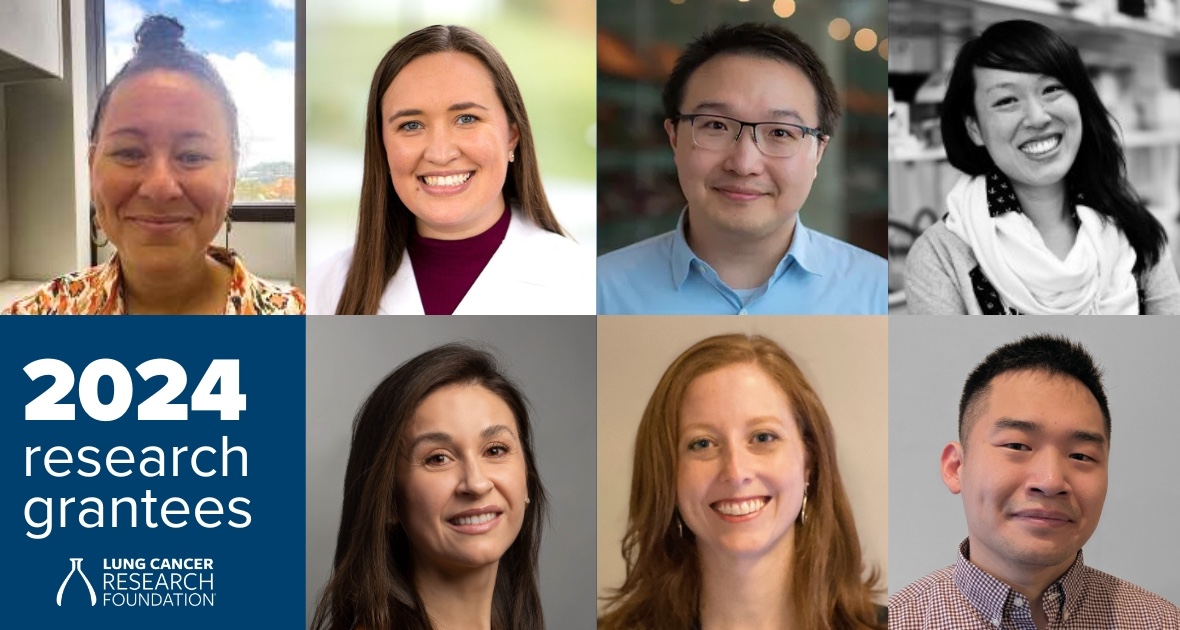
The Lung Cancer Research Foundation® (LCRF) is pleased to announce its 2024 Scientific Grant Program awards, funding $3.55 million in new research, the largest single-year investment in its history. This year’s grant cycle includes awards in the following areas: LCRF Leading-Edge Grant in Lung Cancer, LCRF Research Grant on Early Detection and Pre-Neoplasia in Lung Cancer, LCRF Research Grants on Understanding Resistance in Lung Cancer, LCRF Minority Career Development Award (CDA) for Lung Cancer, and the IASLC-LCRF Team Science Research Grant on the Next Step in the Cure of Oncogene-Driven Lung Cancers. Earlier this year, LCRF awarded the American Lung Cancer Screening Initiative (ALCSI), led by Chi-Fu Jeffrey Yang, MD, of Massachusetts General Hospital, a $320,000 grant to conduct its “Plus One” screening initiative and research study.
LCRF awarded its grants for projects that demonstrate profound promise to make a sustained and lasting impact on lung cancer research and outcomes. These grants are made possible by Research ALK+ve Lung Cancer UK, the LRE Foundation, and numerous generous donations from LCRF’s supporters.
“Each year, our Scientific Advisory Board and Research Advocates review hundreds of submissions,” said Colleen Conner Ziegler, Chair of LCRF’s Board of Directors. “This ensures that LCRF is funding projects that will have the greatest impact on the lung cancer community and improve patient outcomes, both in the short and long term.”
“Because research is LCRF’s True North, we are committed to supporting science that seeks solutions to lung cancer’s most challenging issues and unmet needs,” said Kathryn O’Donnell, PhD, chair of LCRF’s Scientific Advisory Board and Associate Professor, Molecular Biology, UT Southwestern Medical Center. “Funding the most innovative research will ultimately lead to improved outcomes for patients with lung cancer.”
Through its Leading Edge Research Grant in Lung Cancer, LCRF funds innovative research focused on the prevention, diagnosis, treatment, and cure of lung cancer. This year, LCRF will be funding two projects through this mechanism.
LCRF’s Research Grant on Early Detection and Pre-Neoplasia in Lung Cancer is presented to an investigator whose project facilitates or advances the understanding and characterization of pre-neoplasia or approaches for early detection in non-small cell and small cell lung cancer.
The LCRF Research Grants on Understanding Resistance in Lung Cancer are presented to two recipients whose projects focus on combatting therapeutic resistance.
LCRF’s Minority Career Development Award for Lung Cancer, a two-year award to support early-stage scientists from underrepresented groups, is supported in part by a grant from the LRE Foundation. This year, LCRF will fund two projects in this area that will increase the representation of investigators from underrepresented groups in the lung cancer research workforce.
In partnership with the International Association for the Study of Lung Cancer (IASLC), the IASLC-LCRF Team Science Research Grant on the Next Step in the Cure of Oncogene-Driven Lung Cancers award, is a $2.5 million award over four years granted to a team of scientists whose coordinated projects advance research in oncogene-driven lung cancer with the intent to culminate in a clinical trial.
Each year, LCRF recognizes exemplary projects through its James B. Dougherty, MD Award for Scientific Merit, and William C. Rippe Award for Distinguished Research in Lung Cancer, in honor of the contributions to LCRF made by these esteemed former board members. This year, LCRF added the Cynthia M. Page Merit Award in memory of Ms. Page, whose family established the LRE Foundation and funded the grant awarded in her honor.
The James B. Dougherty, MD Award for Scientific Merit is presented to the investigator whose proposal was selected for outstanding overall merit by the Foundation’s Scientific Advisory Board. This year’s recipient is Dian Yang, PhD of Columbia University Irving Medical Center, whose project is titled “Investigating the molecular basis of cancer plasticity in LKB1-mutant lung adenocarcinoma.”
“This LCRF Leading Edge Research Grant will enable my lab to investigate the molecular mechanisms driving cancer plasticity in Lkb1-mutant lung adenocarcinoma, shedding light on potential strategies for developing innovative treatments,” remarked Dr. Yang.
LCRF’s William C. Rippe Award for Distinguished Research in Lung Cancer is presented to the investigator whose proposal not only demonstrated exceptional scientific merit but also exemplified an enduring commitment to making an impact in the field of lung cancer research. This year’s recipient is Lindsay LaFave, PhD of Albert Einstein College of Medicine, whose project is titled “Investigating chromatin-mediated mechanisms of immune response in lung cancer.”
“I am honored to receive the William C. Rippe Award for Distinguished Research in Lung Cancer from the Lung Cancer Research Foundation,” said Dr. LaFave. “Thanks to the support from LCRF we hope to better understand differences in immunity in individuals with and without a smoking history to improve immunotherapy outcomes in lung cancer.”
The Cynthia M. Page Merit Award for Innovation in Lung Cancer Research is awarded to the investigator whose proposal demonstrates exceptional scientific merit and groundbreaking innovation, pushing the boundaries of lung cancer research with creative, forward-thinking approaches. Tikvah Hayes, PhD, of the David Geffen School of Medicine at UCLA is the recipient of this award. Dr. Hayes’s project is titled “Advancing preclinical cell line diversity and decoding TKI-resistance landscapes in EGFR-mutant lung cancer.”
“Thank you to LCRF and the LRE Foundation for this meritorious award,” remarked Dr. Hayes. “I’m hopeful that we will develop innovative models and tools to assess the underlying biology of EGFR-mutant lung cancers.”
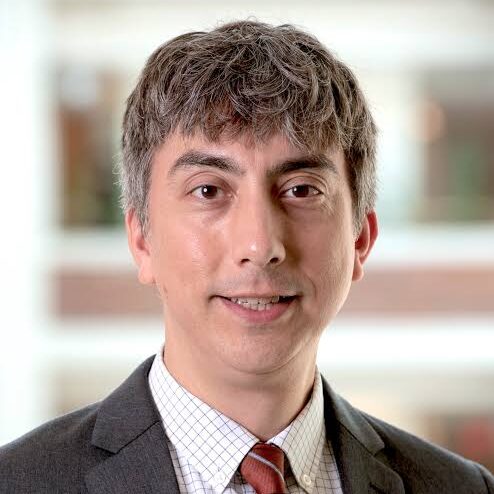
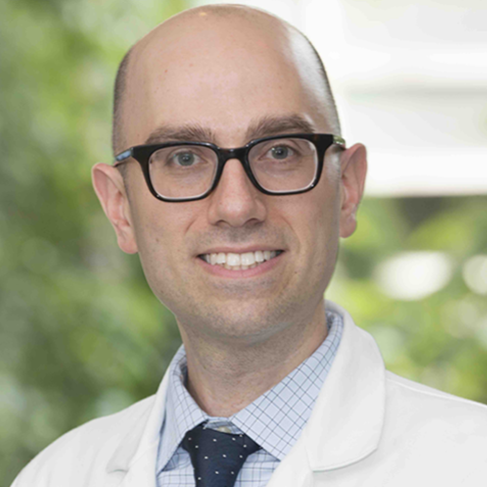
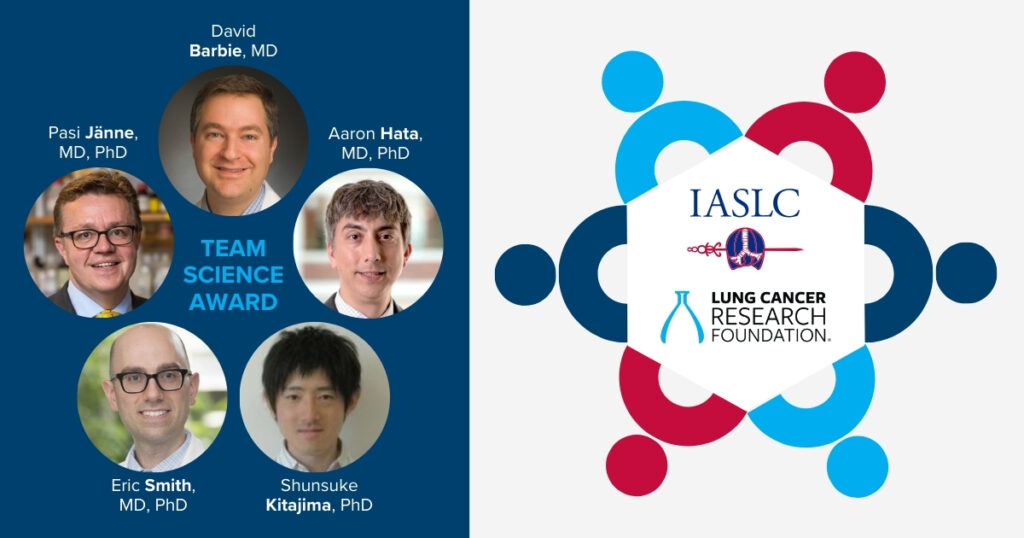
The IASLC – LCRF Team Science Research Grant on the Next Step in the Cure of Oncogene-Driven Lung Cancers, announced last month, was awarded to a global team led by David A. Barbie, MD, Director of the Lowe Center for Thoracic Oncology at Dana-Farber Cancer Institute, along with Aaron Hata, MD, PhD of Massachusetts General Hospital; Eric Smith, MD, PhD of Dana-Farber Cancer Institute; Pasi Jänne, MD, PhD of Dana-Farber Cancer Institute; and Shunsuke Kitajima, PhD representing the Japanese Foundation for Cancer Research. Their project is titled, “Immune elimination of drug tolerant persister cells in oncogene-driven lung cancer.”
LCRF 2024 Research Grant Awardees
Leading Edge Grant Program
Lindsay LaFave, PhD, Albert Einstein College of Medicine William C. Rippe Award for Distinguished Research in Lung Cancer recipient Investigating chromatin-mediated mechanisms of immune response in lung cancer
Dian Yang, PhD, Columbia University Irving Medical Center James B. Dougherty, MD Award for Scientific Merit recipient Investigating the molecular basis of cancer plasticity in LKB1-mutant lung adenocarcinoma
Minority Career Development Award (CDA)
Tikvah Hayes, PhD, David Geffen School of Medicine at UCLA Cynthia M. Page Merit Award for Innovation in Lung Cancer recipient Advancing preclinical cell line diversity and decoding TKI-resistance landscapes in EGFR-mutant lung cancer
Luisa Escobar-Hoyos, MSc, PhD, Yale University Altered RNA splicing as a driver of Osimertinib resistance in lung cancer
Research Grant on Early Detection and Pre-Neoplasia in Lung Cancer
Peggy Hsu, MD, PhD, University of Michigan Understanding the origin of ALK-driven lung cancer
Research Grants on Understanding Resistance in Lung Cancer
William Feng, PhD, Dana-Farber Cancer Institute Targeting AP-1 in KRAS-mutant lung cancer
Megan Burger, PhD, Oregon Health & Science University Optimizing immunotherapy sequencing to overcome resistance
IASLC-LCRF Team Science Research Grant on the Next Step in the Cure of Oncogene-Driven Lung Cancers
David A. Barbie, MD, Dana-Farber Cancer Institute Aaron Hata, MD, PhD, Massachusetts General Hospital – Harvard Medical School Pasi Jänne, MD, PhD, Dana-Farber Cancer Institute – Harvard University Shunsuke Kitajima, PhD, the Japanese Foundation for Cancer Research Eric Smith, MD, PhD, Dana-Farber Cancer Institute – Harvard University Immune elimination of drug tolerant persister cells in oncogene-driven lung cancer
Dr. Barbie
Dr. Hata
Dr. Jänne
Dr. Kitajima
Dr. Smith
For more information about LCRF and the Scientific Grant Program, visit LCRF.org/research.
###
About the Lung Cancer Research Foundation The Lung Cancer Research Foundation® (LCRF) is the leading nonprofit organization focused on funding innovative, high-reward research with the potential to extend survival and improve quality of life for people with lung cancer. LCRF’s mission is to improve lung cancer outcomes by funding research for the prevention, diagnosis, treatment, and cure of lung cancer. To date, LCRF has funded 428 research grants, totaling nearly $48 million, the highest amount provided by a nonprofit organization dedicated to funding lung cancer research. For more information about the LCRF grant program and funding opportunities, visit LCRF.org/research.
Contact: Sheila Sullivan Sr. Director, Marketing and Communications ssullivan@lcrf.org
Investigators from China and Spain have recently published an article describing a new technology integrating ultrasensitive Pt@InNiOX nanoflakes into a portable electronic device. This device may be used to diagnose lung cancer by breath analysis. (Cheng Y et al, American Chemical Society Sensors, Nov. 6, 2024)
Why it’s important
Gas sensors have been used in a variety of fields including healthcare. The makeup of human breath is very complicated because it contains many different compounds. Isoprene is one of these compounds that has the potential for detecting lung cancer. The idea of analyzing breath to diagnose lung cancer is not new and has not been successful. Many challenges are involved in breath analysis, including the ability to selectively detect isoprene at very low levels. Additional problems include the breath’s natural humidity and the difficulty in analyzing breath in real time so that it is a practical tool. The researchers have developed an indium (III) oxide (In2O3)-based nanoflake sensor (Pt@InNiOX) that detects isoprene at very low levels (2 parts per billion, ppb), is more selective for isoprene, has a consistent performance, and is able to be incorporated into a portable device.
What it means for patients
The researchers tested the device in 13 patients, 5 of whom had lung cancer. According to the results, exhaled isoprene concentrations in lung cancer patients consistently fell below 40 ppb, in contrast to levels exceeding 60 ppb in healthy individuals. This portable sensor has the potential to be a cost-effective way of diagnosing lung cancer. If further research is successful, this technology could be used as a screening tool in conjunction with standard screening involving low dose computerized tomography (LDCT). Since there is a significant incidence of lung cancer in never smokers who do not meet screening criteria, it could also be important in detecting lung cancer in these individuals. The device is not ready for “prime time.” Rigorous clinical trials will need to be done to assess the relationship between isoprene detection and the diagnosis of lung cancer.
What to look for
Expect to see clinical trials employing this device as an adjunct to cancer diagnosis and screening. These studies will be used to refine the technology and determine the best way to employ this tool in the detection and management of lung cancer. The sensing device could provide a breakthrough in noninvasive lung cancer screening and has the potential to improve healthcare and even save lives.
Groups award $2.5 million, four-year research grant to team led by Dr. David Barbie of Dana-Farber Cancer Institute
NEW YORK, NY (November 19, 2024) – The Lung Cancer Research Foundation (LCRF) and the International Association for the Study of Lung Cancer (IASLC) today announced their first IASLC – LCRF Team Science Research Grant on the Next Step in the Cure of Oncogene-Driven Lung Cancers. David A. Barbie, MD, Director of the Lowe Center for Thoracic Oncology at Dana-Farber Cancer Insititute, and principal investigator of the Barbie Lab, will be leading the winning project, “Immune elimination of drug tolerant persister cells in oncogene-driven lung cancer.” The research team is comprised of Dr. Barbie as principal investigator; Aaron Hata, MD, PhD of Massachusetts General Hospital; Eric Smith, MD, PhD of Dana-Farber Cancer Institute; Pasi Jänne, MD, PhD of Dana-Farber Cancer Institute; and Shunsuke Kitajima, PhD representing the Japanese Foundation for Cancer Research.
Lung cancer is responsible for more deaths worldwide than any other cancer, accounting for an estimated 130,180 deaths annually in the United States alone. In the last 10 to 15 years, accelerated clinical trials and FDA approvals of targeted therapies for non-small cell lung carcinoma have been possible in part due to advances in molecular profiling of tumors. Many of these targeted therapies are directed against oncogenic drivers, with EGFR as one of the first oncogenic drivers that was successfully targeted with the use of tyrosine kinase inhibitors (TKIs.)
Tyrosine kinase inhibitors are effective at controlling the disease but eventually the lung cancer cells develop resistance to treatment and patients are not cured. The goal of this Team Science Award is to investigate strategies that will lead to a cure for oncogene-driven lung cancer. It is thought that some lung cancer cells persist after treatment. These drug tolerant persister (DTP) cells eventually result in progressive cancer. There has been a lot of interest in studying DTP cells to see if vulnerabilities can be identified that can be targeted earlier to destroy these cells before disease progression results. Most oncogene-driven lung cancers are “cold” tumors and do not respond to immunotherapy, though these DTP cells may have vulnerabilities in their immune makeup that renders them susceptible to immunotherapy.
Dr. Barbie and his research team have identified a negative regulator of an immune pathway in DTP cells. By inhibiting this negative regulator, they plan to unleash an immune attack on the DTP cells. The hope is that these studies may define a new therapeutic approach that could make the DTPs more sensitive to being killed by immunotherapy. There are a number of agents being developed that could be useful in inhibiting the negative immune regulator thus making this concept feasible for transitioning to a clinical trial for patients. In addition, there are proteins in malignant DTP cells that make them ideal targets for treatment. Once the presence of those proteins is confirmed, and CAR-T cells generated, the team will test the negative immune regulator in combination with the CAR-T cells to treat the oncogenic-driven lung cancer.
“It is a very exciting time for lung cancer research, and we are confident that our team will uncover approaches that will make a difference for patients living with oncogenic-driven lung cancer,” says Dr. David Barbie. “This award will allow us to make significant impact that will hopefully result in a clinical trial.”
“Being able to stop resistance before it begins would be practice-changing for oncologists and life-saving for patients,” says Dr. Antoinette Wozniak, Chief Scientific Officer for LCRF. “Working together – funders, patients and research teams – we can help move science forward, faster. LCRF is thrilled to be partnering with IASLC to fund this project and this team of researchers.”
“We believe that multidisciplinary, international partnerships will accelerate the pace of research, and we are excited to support impactful collaborative science,” says Dr. Jennifer C. King, Chief Science Officer, IASLC. “We’re pleased to join forces with LCRF on this first Team Science award, and hope Dr. Barbie and team’s innovative research program is an important step toward the goal of curing oncogenic-driven lung cancer.”
# # #
About the Lung Cancer Research Foundation (LCRF) The Lung Cancer Research Foundation® (LCRF) is the leading nonprofit organization focused on funding innovative, high-reward research with the potential to extend survival and improve quality of life for people with lung cancer. LCRF’s mission is to improve lung cancer outcomes by funding research for the prevention, diagnosis, treatment, and cure of lung cancer. To date, LCRF has funded 420 research grants, totaling nearly $45 million, the highest amount provided by a nonprofit organization dedicated to funding lung cancer research. For more information about the LCRF grant program and funding opportunities, visit lcrf.org/research.
About IASLC The International Association for the Study of Lung Cancer (IASLC) is the only global organization dedicated solely to the study of lung cancer and other thoracic malignancies. Founded in 1974, the association’s membership includes more than 10,000 lung cancer specialists across all disciplines in over 100 countries, forming a global network working together to conquer lung and thoracic cancers worldwide. The association also publishes the Journal of Thoracic Oncology, the primary educational and informational publication for topics relevant to the prevention, detection, diagnosis and treatment of all thoracic malignancies. Visit www.iaslc.org for more information.
Contact:
LUNG CANCER RESEARCH FOUNDATION (LCRF) Sheila Sullivan Sr. Director, Marketing & Communications ssullivan@lcrf.org
INTERNATIONAL ASSOCIATION FOR THE STUDY OF LUNG CANCER (IASLC) Chris Martin IASLC Media Relations cmartin@davidjamesgroup.com
Ivan Auyeung decided to raise funds for lung cancer research after his father passed away earlier this year. When his family learned his diagnosis, they were told he had only 5 years left to live – yet that was cut down to an even shorter 9 months.
“My goal was to help a small part of a much bigger problem in our world and hope that this can be used to help patients and their families who are currently undergoing the same struggle my father and my family did less than a year ago.”
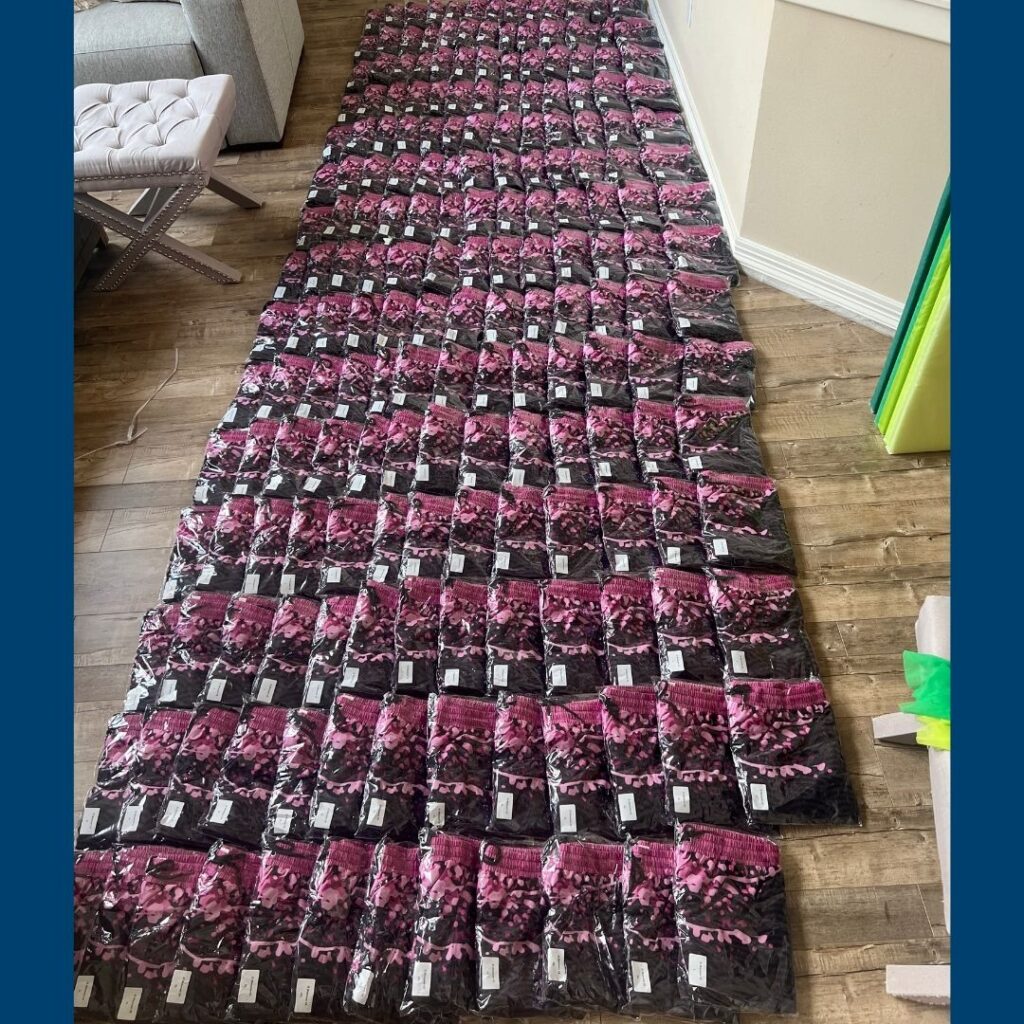
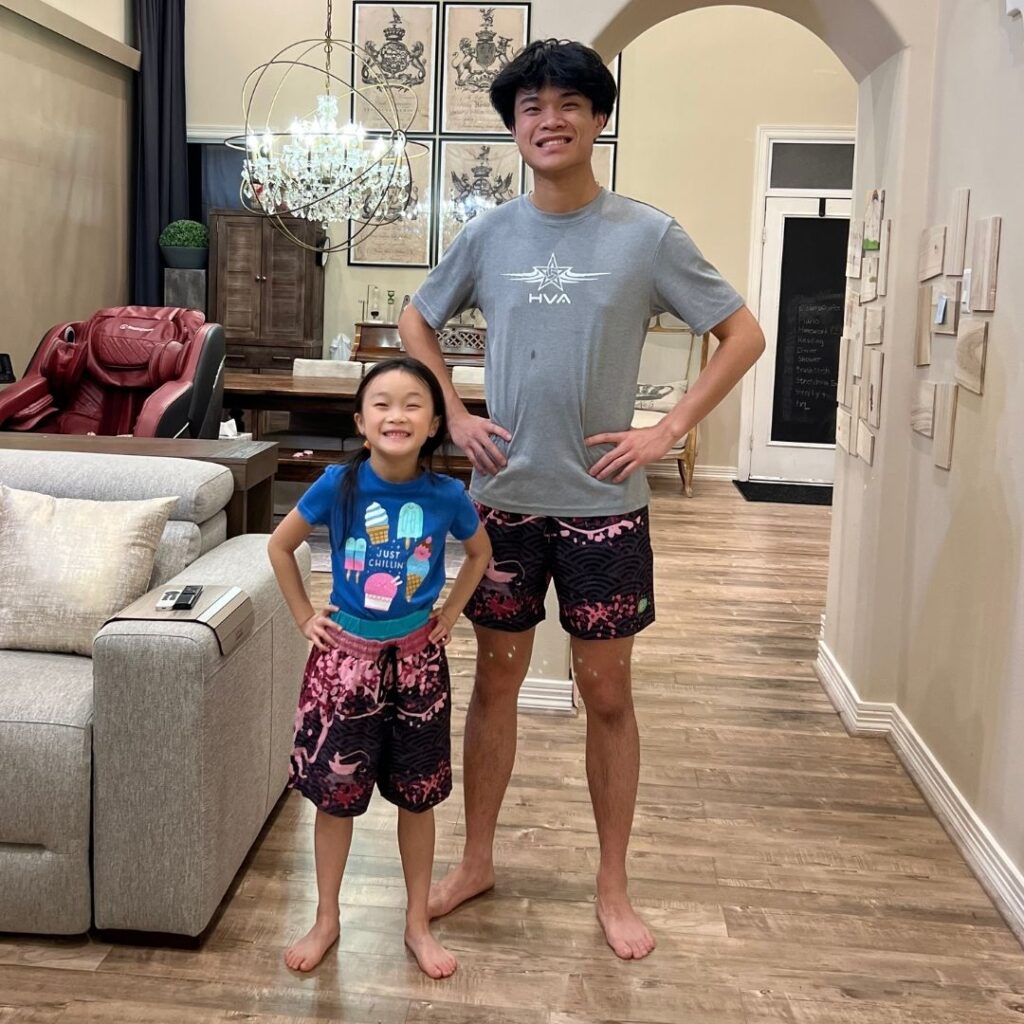
Ivan engaged the volleyball community by selling custom board shorts (named “IE Reverse Blossom”). He worked with Slunks, a company that sells board/volleyball shorts that are a big niche in the men’s volleyball community. With his platform on Instagram, @slunks.IE, as well as at his volleyball club, Houston Volleyball Academy, he was able to not only raise awareness but sell 194 pairs of shorts to raise $7,800!
Special thanks to Ivan, his family, his designer, @southshorecreatives on Instagram, and the administrators at the Houston Volleyball Academy!
The design was promoted on InstagramShipping dayModeling the finished shorts
Coral Olazagasti , MD, and Estelamari Rodríguez, MD, MPH, led a Lung Cancer Community Talk in Spanish on November 7. With moderator Ana Velázquez Mañana, MD, MSc, they provided an overview of lung cancer, with a discussion about lung cancer diagnosis and treatment, biomarker testing, clinical trials, and more.
Dr. Olazagasti is a head & neck and thoracic oncologist for Sylvester Comprehensive Cancer Center at the University of Miami Miller School of Medicine. Dr. Rodriguez is Co-Lead, Thoracic Site Disease Group for the institution. Dr. Velázquez Mañana is a thoracic oncologist and an Assistant Professor of Medicine at the University of California, San Francisco.
Watch the recording below.
La Dra. Coral Olazagasti y la Dra. Estelamari Rodríguez nos acompañaron a una discusión comunitaria sobre el cáncer de pulmón el jueves 7 de noviembre. Moderado por la Dra. Ana Velázquez Mañana, brindaron una descripción general del cáncer de pulmón y discutieron el diagnóstico y el tratamiento del cáncer de pulmón, las pruebas de biomarcadores y los ensayos clínicos, entre otros temas.
La Dra. Olazagasti es oncóloga de cabeza y cuello y oncóloga torácica en el Sylvester Comprehensive Cancer Center de la Escuela Miller de Medicina de la Universidad de Miami. La Dra. Rodríguez es codirectora del Grupo de Tumores Torácicos de la institución. La Dra. Velázquez Mañana es oncóloga torácica y catedrática adjunta de Medicina en la Universidad de California, San Francisco.
LCRF’s 2024 Scientific Symposium was held November 4 as part of our Lung Cancer Awareness Month activities. Joining the record-breaking group online were event lead and moderator, Kathryn O’Donnell, PhD; our chat moderator, Isabel Preeshagul, DO, MBS; and speakers Brendon M. Stiles, MD; Colleen Conner Ziegler; Mark Awad, MD, PhD; Hossein Borghaei, DO, MS; Lauren Averett Byers, MD; Joseph A. Greer, PhD; and Don Nguyen, PhD, BSc.
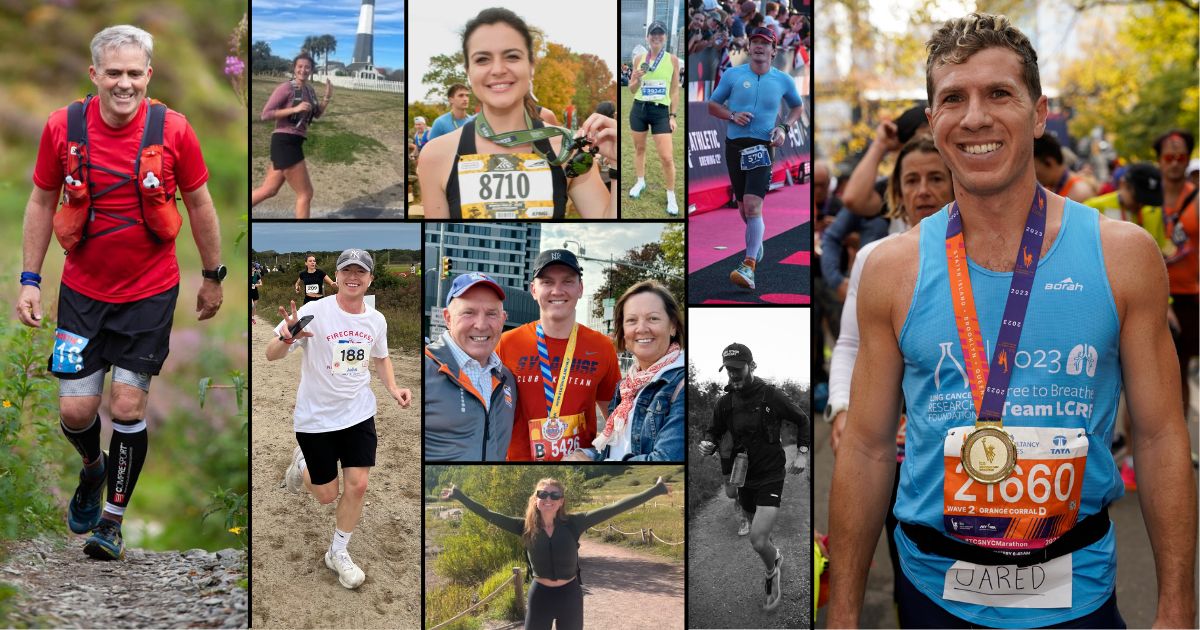
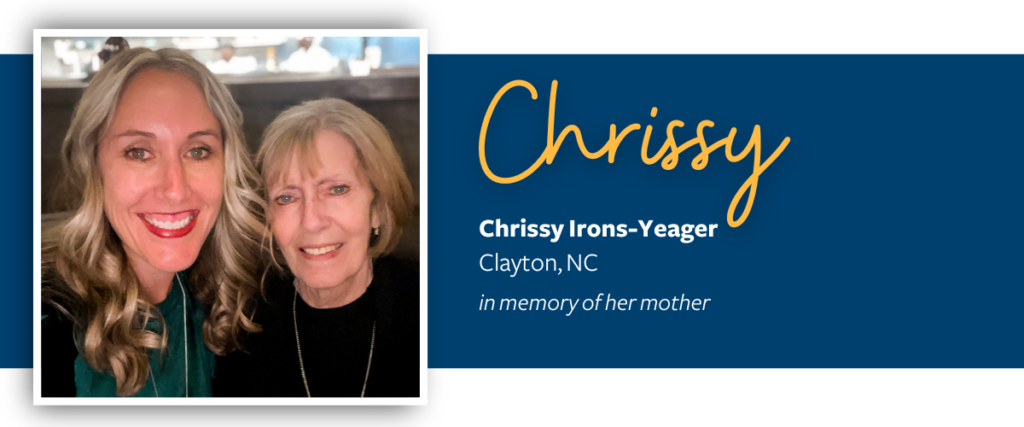
Introducing our 2024 Team LCRF runners who will be doing the TCS New York City Marathon on November 3! Read more below about this year’s amazing group of marathoners who are raising awareness and fundraising for lung cancer research.
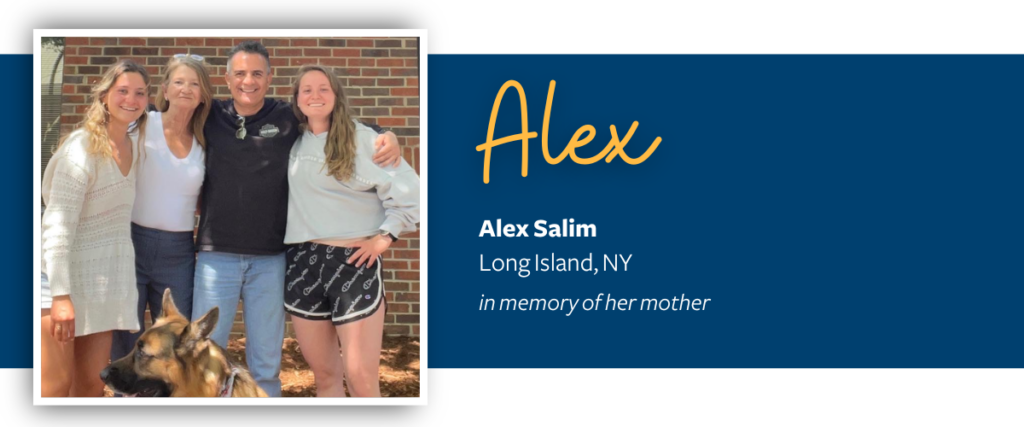
“The Lung Cancer Research Foundation holds a special place due to the emotional impact of losing my mother in July 2022. Supporting this foundation becomes a meaningful way to channel grief into a positive force, contributing to vital research that may prevent others from enduring similar losses. It transforms personal pain into a collective effort for a cause that holds deep personal significance.”
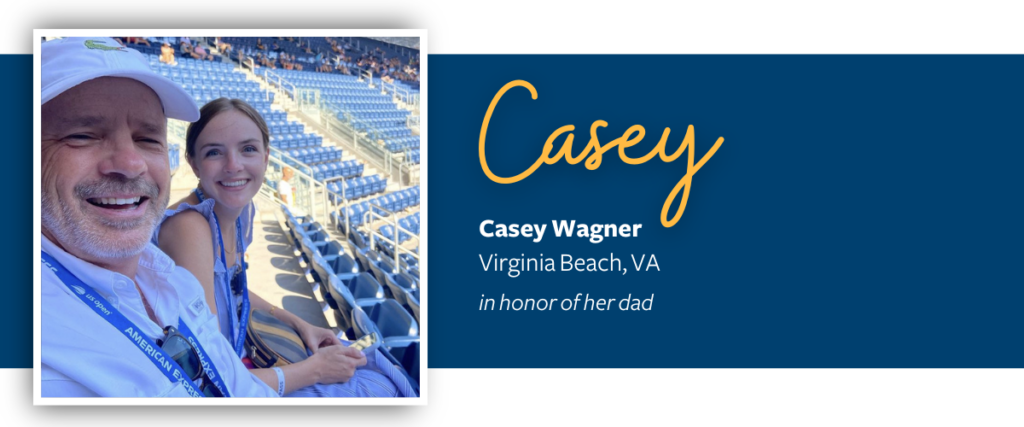
“I am so happy to be a part of Team LCRF so that I can fundraise and run in honor of my dad, who I lost to small cell lung cancer in 2017. I truly believe in the power of science and research that can make a difference for others moving forward.”
Proudest running accomplishment: “Running a ‘redemption’ half where I was able to finish faster and stronger than my first try!”
Best training partners: “I’m lucky to have two of my best friends as training partners. We are each other’s biggest cheerleaders and help to hold each other accountable when it gets hard! I could never train or finish any race without them.”
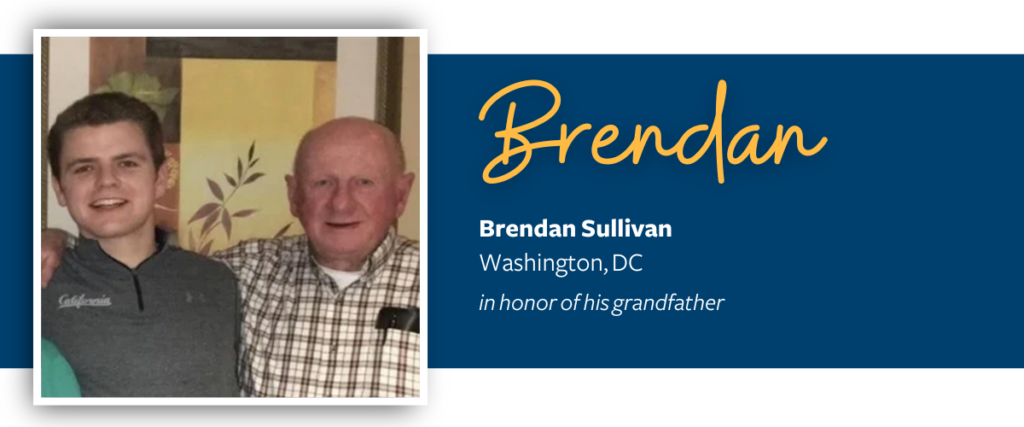
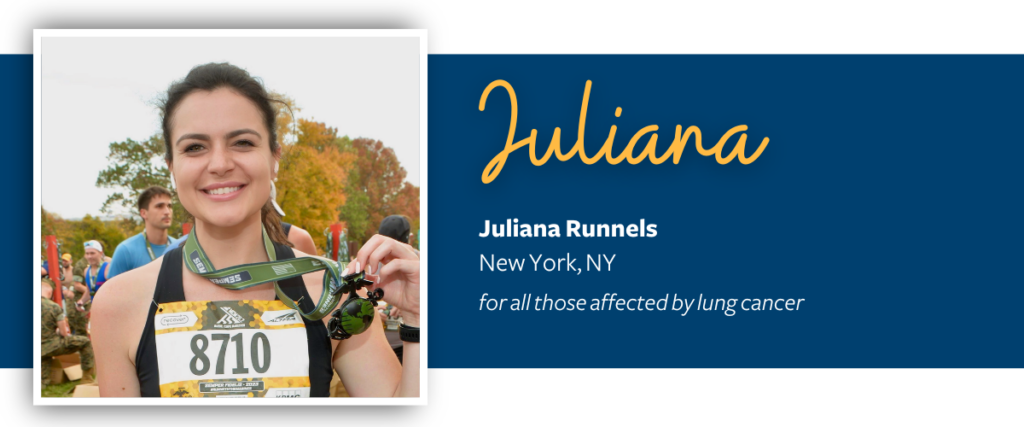
“I’m running in honor of my grandfather, who was diagnosed with lung cancer in 2022. He is and always has been my biggest supporter, although he still doesn’t quite understand why I enjoy running so much. LCRF does critical work in support of all those affected by lung cancer, and I’m thrilled to be a part of the Team and run for a cause personal to me and my family.”
Proudest running accomplishment: “Finishing the 2023 Marine Corps Marathon, my first.”
Favorite food while training: “Pizza and ice cold Diet Coke”
“I lost my mother in January to lung cancer so I am running in her memory. Between the personal link with family and what I see in my patients daily, I know the importance of research into more accessible treatments and hopefully a cure.”
“Lung cancer has had a direct impact on my family having lost my father, my father-in-law, my uncle and an aunt-in-law and uncle-in-law. I have experienced this disease as a caregiver and as someone who has lost many loved ones. I first started running in support of my father as he battled this disease in my first Free to Breathe walk over 9 years ago. I now run in memory of him and in support of this disease that I truly believe with this type of support can one day have a cure.”
Proudest running accomplishment: “My very first 5k over the Brooklyn Bridge with Free to Run Brooklyn in 2015 with my Dad cheering me on as he was mid treatment. And finishing my first half marathon 2024!”
On my playlist: “Whitney Houston’s greatest hits are always part of my running playlists!”
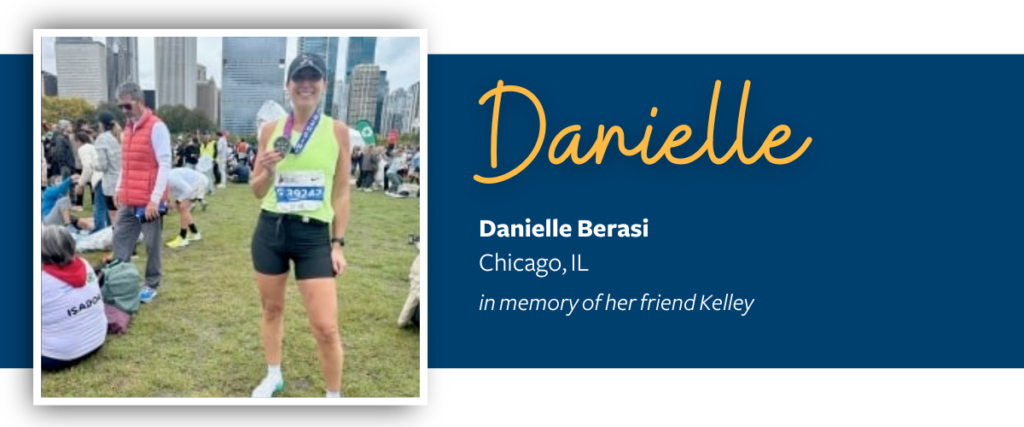
“NYC is Marathon #5 for me, and being a part of team LCRF is special for me as I raised money in honor of a close friend whose life was cut short by lung cancer, Kelley (Kuntz) MacDonald. I’m proud to represent such a great organization and do it while getting the opportunity to run, something Kelley and I both loved.”
Proudest running accomplishment: “Running my first sub-4 marathon at the 2023 Chicago marathon”
On my playlist: “I either run to EDM mash-ups, true-crime podcasts, or Ed Sheeran :)”
“In running this marathon, I am hoping to do more than honor the memory and strength of the loved ones I’ve lost to lung cancer. I want to raise funds to support the vital research efforts of the Lung Cancer Research Foundation. With every stride and drop of sweat, I aim to contribute towards a future where no one loses a family member or a friend to lung cancer. “
Proudest running accomplishment: “In high school I ran a 4:34 mile!”
On my playlist: “I listen to live shows from EDM artist Fisher.”
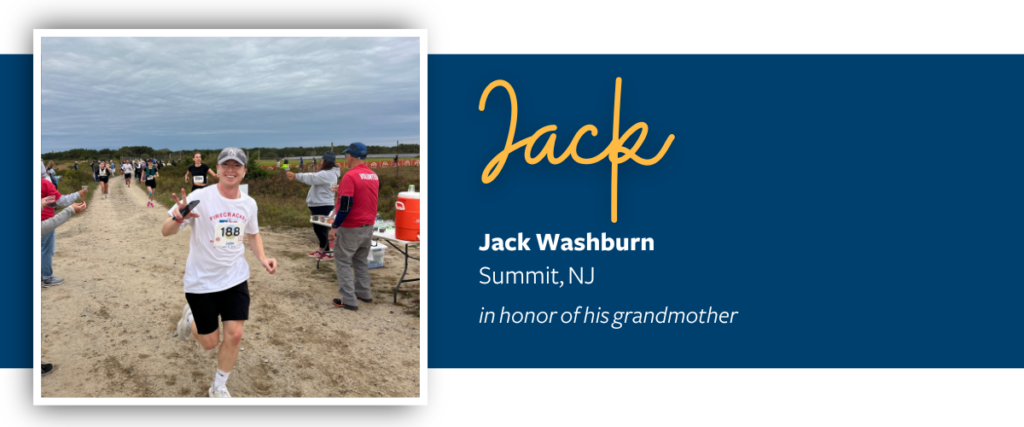
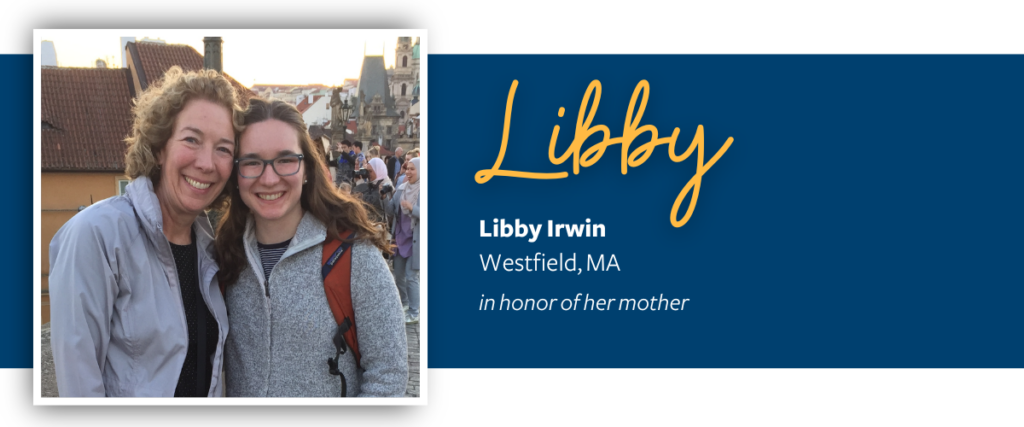
“I’m joining Team LCRF for the 2024 NYC Marathon in honor of my grandmother, who battled lung cancer throughout my childhood.”
Proudest running accomplishment: “Running the NYRR Fred Lebow Half-Marathon with my sister, Julia.”
Rest day routine: “On my rest day, I like to relax by cooking and watching TV shows.”
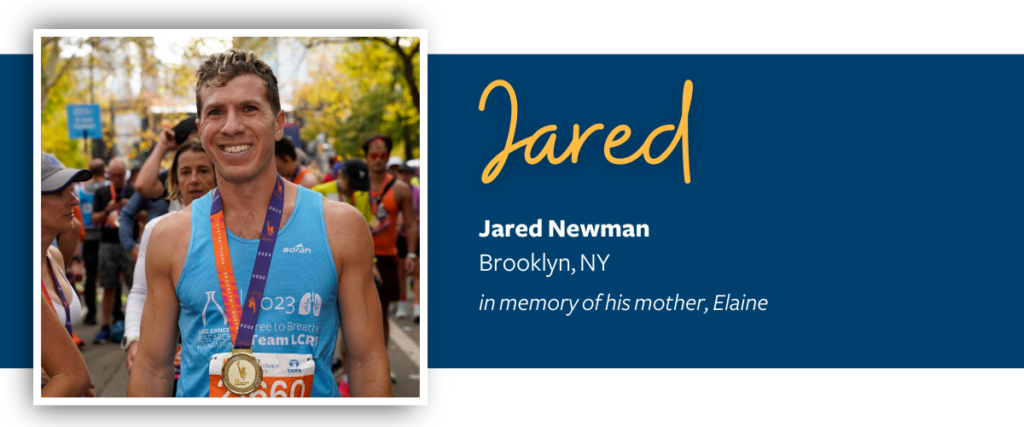
“I am running in honor of my mother Elaine, whose life was cut (way too) short at 47 by lung cancer, and to make my wife (Hayley) and kids (Emma and Alex) proud. While my family never had the opportunity to meet my mother, the older I get, the more I realize how similar I am to her. She was an avid runner and would be so proud of my accomplishments.
Training for a marathon while holding down a full time job and parenting two young kids is no easy feat; however, it pales in comparison to battling lung cancer. I am pushing my lungs to the max for those who can’t and with hope that in time, we will have a cure.”
Proudest running accomplishment: “Crossing the finish line at the 2023 New York City Marathon! Now it’s time to take everything I have learned and apply it for round two.”
Favorite food while training: Lots of pizza the night before a race!
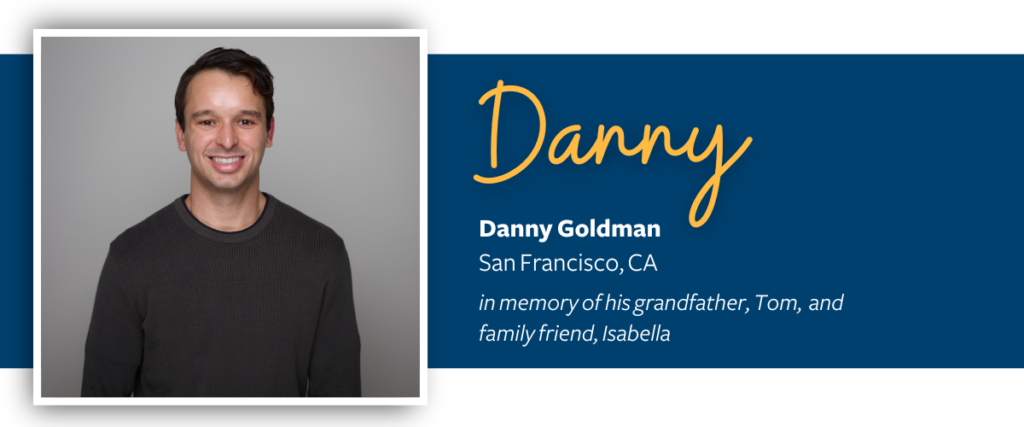
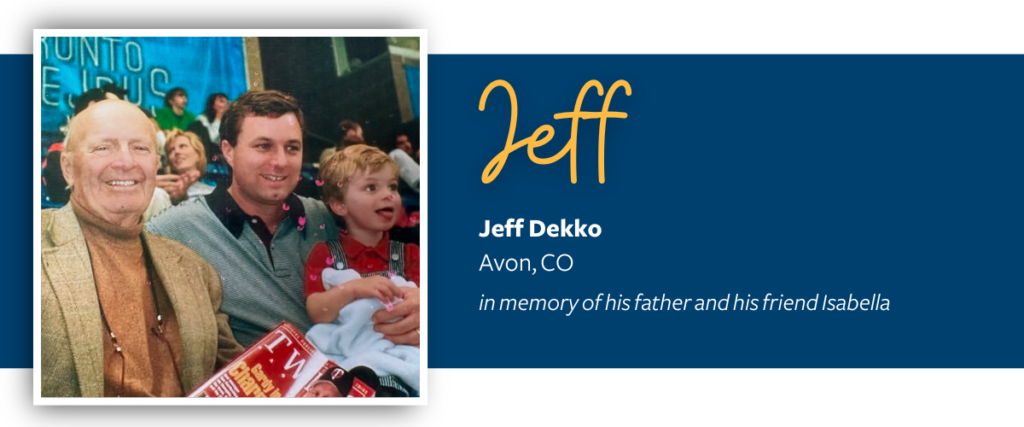
“I have lost two amazing people to lung cancer who lived active and healthy lives. My father passed away in 2002 and was my lifelong ski buddy! Isabella De La Houssaye was a friend that showed how to live an active life. I am running for them!”
Proudest running accomplishment: “Just finished a ten mile race in 6:50 splits.”
Favorite food while training: “Homemade Bolognese”
“Running with Team LCRF is a great honor. My grandma, Margaret Ward, battled lung cancer for many years and I am honored to be able to run in memory of her. My fond memories of her wit and laughter will be a huge boost for me on the course.”
Proudest running accomplishment: “Running the Brooklyn Half in 1hr 36min!”
Favorite food while training: “Favorite food while training has got to be al pastor tacos.”
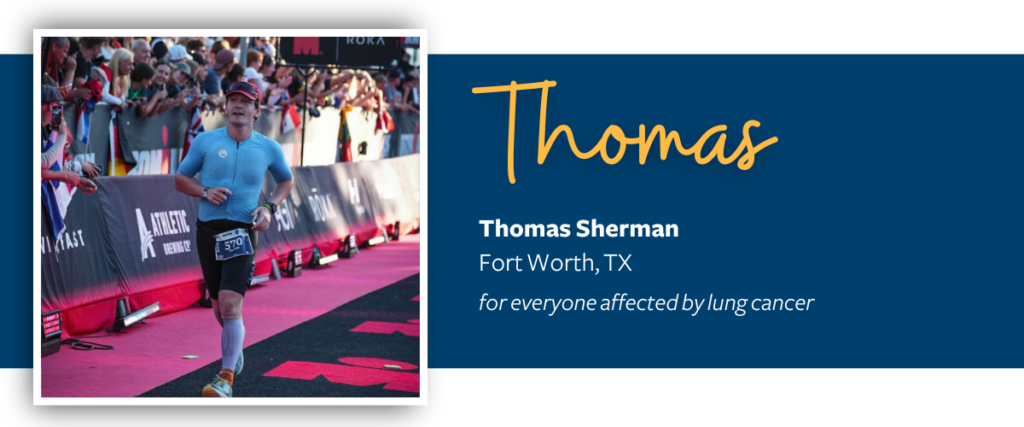
“Being a part of Team LCRF is so important to me because my mom was unexpectedly diagnosed with lung cancer in April of 2023. As a non-smoker, this diagnosis came as a total shock to our family and we searched for answers. My mom has continued to fight over the last year, so the least I can do is run 26.2 miles to help end lung cancer!”
Proudest running accomplishment: “Running the Boston Marathon three times!”
On my playlist: “My running playlist consists of Taylor Swift, Dua Lipa, and Noah Kahan.”
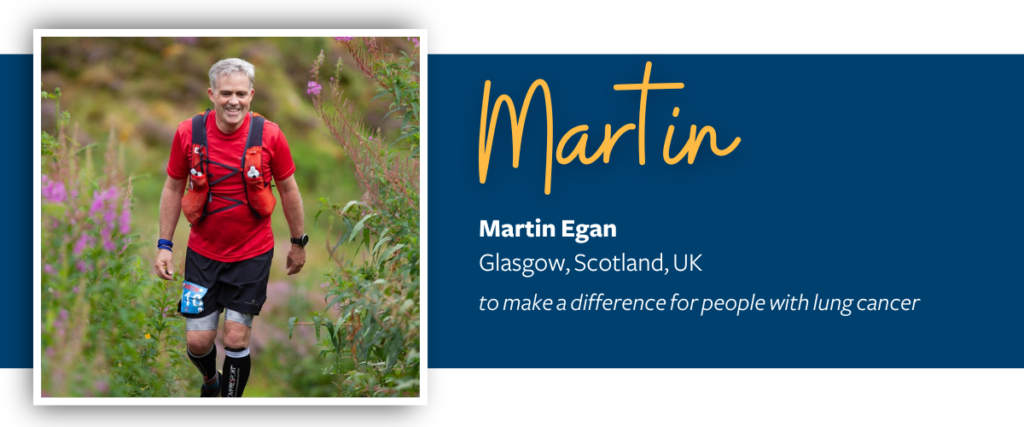
“I usually run in trail ultra events but thought if I am going run a big city marathon I would want to take the opportunity to raise some money that can make a real difference to people’s lives.”
Proudest running accomplishment: “My longest run to date: The West Highland Way in Scotland. 96 miles from Glasgow to Fort William.”
Favorite food while training: “Salt and vinegar crisps (chips) and bananas on long training runs.”
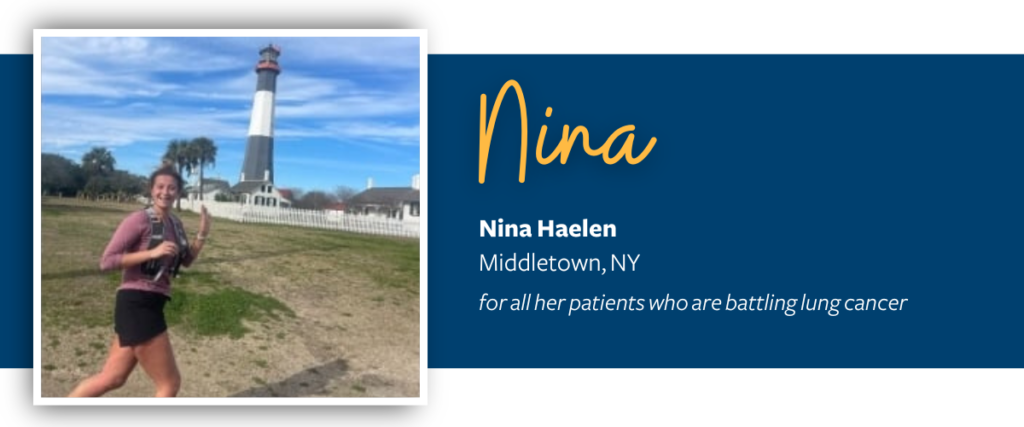
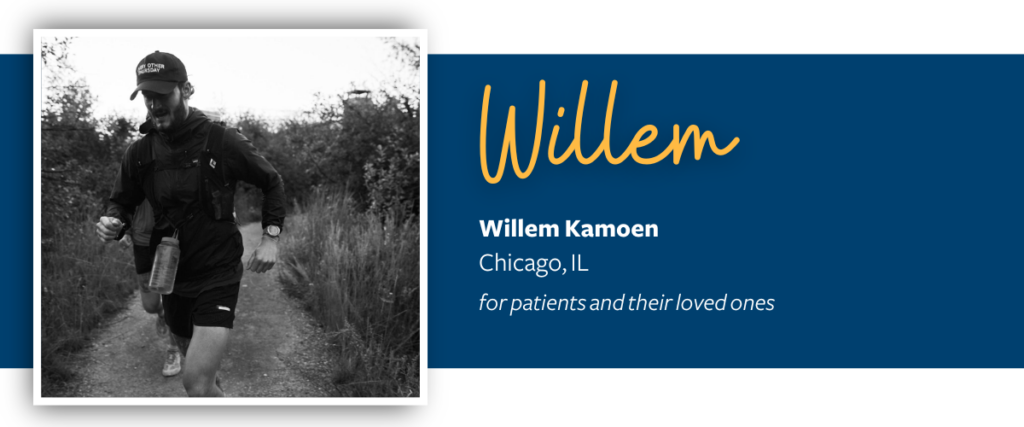
“I have been an oncology hematology nurse for 9 years and have worked closely with many patients who are battling lung cancer. I am running for my patients!!”
Proudest running accomplishment: “Surfer Santa 5k, where I placed 1st”
Best training partner: “Chelsea has been my training partner, motivating each other on long runs.”
On my playlist: “Creed, Nickelback, and of course Biggie.”
“I’m running to support the research surrounding Lung Cancer in honor of Reina Honts. I’m a squash coach for Reina’s daughter and have formed a strong connection with the Honts family and their story. I admire Reina for what she has overcome and I would like to do my part in helping support LCRF. Thank you for the opportunity!”
Proudest running accomplishment: “Completing the LA Marathon 2023”
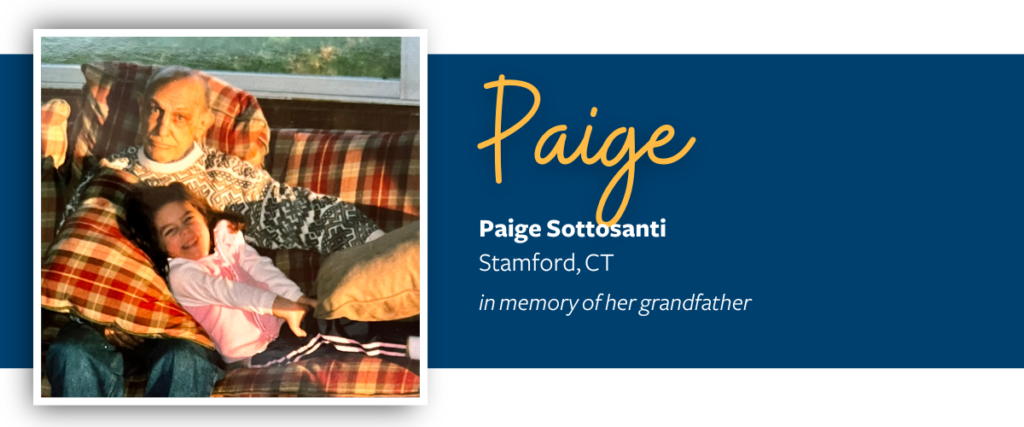
“I am running in honor of my grandfather who I lost to lung cancer many years ago. Although I was young, I remember how much he and his loved ones suffered. By fundraising for Team LCRF, I hope to help improve lung cancer patients’ chances of survival and quality of life.”
Proudest running accomplishment: “Ran a 15K Tough Mudder on Stratton Mountain!”
“Being a part of Team LCRF is important to me because I’ve seen the effect of lung cancer first hand. I want to put an end to it. The incredible stories of how the LCRF has impacted individuals lives throughout their cancer journey has inspired me to run and help them in their fight.”
Proudest running accomplishment: “Running the Dopey 4-Day Challenge. It was a back-to-back running race that started with a 5km run Thursday, 10km run Friday, 1/2 marathon Saturday and finished with a Full Marathon on Sunday!”
Favorite food while training: “Favorite food while training has been the Honey Stinger fruit smoothie gels! They’re actually tasty and go down super smooth.”
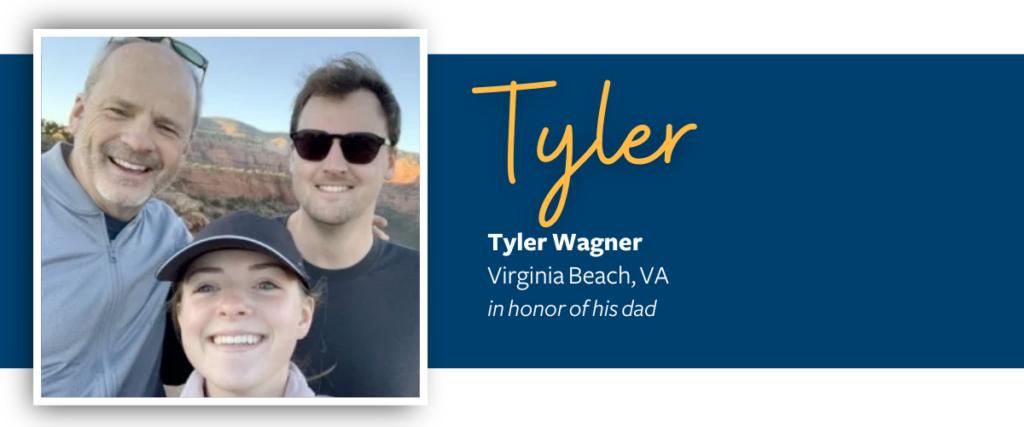
“We are inspired by our generous, kind, forever supportive father, who is currently kicking lung cancer’s ass. As anyone lucky enough to know him can attest, his tremendous joy for life is infectious. LCRF has been instrumental in developing targeted therapy treatments that can be a game changer for families like ours. Your support means the world to us!”
“I want to raise as much money as possible to help the affected and their loved ones. LCRF is an organization near and dear to my family’s heart and I am honored to have the opportunity to run for them.”