Our experts for LCRF’s October livestream joined LCRF’s Chief Scientific Officer, Toni Wozniak, MD, to talk about the findings presented at the 2026 World Conference on Lung Cancer.
The good news The World Conference on Lung Cancer was held in Seoul, Korea in September. Researchers from all over the world attended the conference, where the most recent developments in the treatment of lung cancer were presented. The top research abstracts are chosen to be presented at the Presidential Symposia. These presentations typically spotlight major findings that should be heard by the entire group of attendees. I have highlighted the results from several of these clinical trials.
MAVERICK (SWOG 1827)
Why it’s important MAVERICK is a study that evaluated prophylactic cranial radiation (PCI) in patients treated for limited or extensive stage small cell lung cancer (SCLC). The purpose of PCI is to deliver radiation to the brain to prevent the development of brain metastases. Brain metastases are a very frequent occurrence in SCLC. Because of their frequency, PCI has been part of the treatment protocol, particularly in patients with limited stage disease. However, the use of PCI has been controversial because of its potential for causing cognitive (neurologic) side effects. On the trial patients received either surveillance for the development of brain metastases by utilizing frequent MRIs or PCI with surveillance. The study found that there was improved survival free of cognitive deficits for the patients who just received MRI surveillance.
What it means for patients MAVERICK is the first trial to evaluate MRI surveillance for brain metastases as an option for patients with SCLC. There have been many new advances in the treatment of SCLC and patients are living longer, making it increasingly important to support and address quality of life throughout their care. The results support MRI surveillance as the standard of care for patients with SCLC, helping patients avoid the side effects associated with PCI.
What to look for The final overall survival (how long patients lived) and a longer follow-up on the outcomes associated with the development of brain metastases is expected in the near future. It is anticipated that these results will change practices for the treatment of SCLC.
TAISHAN-302 and ARTEMIS-008
Why it’s important Tambotatug pelitecan (Tam-Peli) and risvutatug rezetecan (Ris-Rez) are antibody drug conjugates (ADC, a type of treatment designed to attach to a target and deliver chemotherapy directly to the cancer cell). Both drugs target B7-H3 on the cancer cell which is a protein that is expressed on SCLC and plays a role in the immune system and can support cancer growth. In both trials, patients with previously treated SCLC received either the ADC or topotecan, which is standard chemotherapy. In the TAISHAN-302 trial utilizing Tam-Peli, the survival was 13.3 months compared to 9.4 months for toptecan. On the ARTEMIS-008 trial that evaluated Ris-Rez the survival was 18.5 months compared to 10.3 months for topotecan. Both ADCs were able to produce better tumor responses that lasted longer than the standard of care chemotherapy.
What it means for patients The particular importance of these trials is that we are seeing progress in the treatment of SCLC, which remains a great area of need. These results show encouraging progress for treating patients with SCLC whose cancer has returned or progressed after their first treatment. Both ADCs helped patients to live longer, and the side effects associated with these novel agents were more manageable and less frequent when compared to the standard of care chemotherapy, topotecan.
What to look for These ADCs are not yet approved for treatment in the US. Both trials were performed entirely in China. Thus, we await results from large global studies with a more diverse population to see if they will continue to benefit and advance the treatment of patients with SCLC.
ADAURA
Why it’s important The ADAURA trial established the use of osimertinib as adjuvant therapy (treatment after surgery) for patients with early-stage lung cancer that has an EGFR exon 19 or 21 mutation. The results of this trial changed how these patients are treated. At the meeting, researchers presented updated results showing how patients were doing eight years later. The survival benefit for osimertinib continued over time, with 79% of patients who received osimertinib after surgery still alive after 8 years, compared to 64% of the patients who did not receive osimertinib as adjuvant treatment.
What it means for patients The results of this trial are a validation of the benefit of adjuvant (after surgery) osimertinib in patients diagnosed with early-stage EGFR-positive lung cancer that has translated into lasting survival. This study also serves as a model for conducting trials using other targeted therapy as adjuvant treatment after surgery for other types of early-stage lung cancer.
What to look for There are still many questions that we need to answer, including the role of chemotherapy and the length of adjuvant treatment that is required to reach the greatest benefit. There is a growing interest in the use of such techniques as liquid biopsy to establish biomarkers that could help answer some of these questions.
Although the results of these trials represent significant advancements, there is more workto be done. More research is needed to further improve outcomes for all these patients.
LCRF publishes a quarterly e-newsletter highlighting the latest developments in the lung cancer space and announcing upcoming events. The e-news also features stories from patients and supporters.
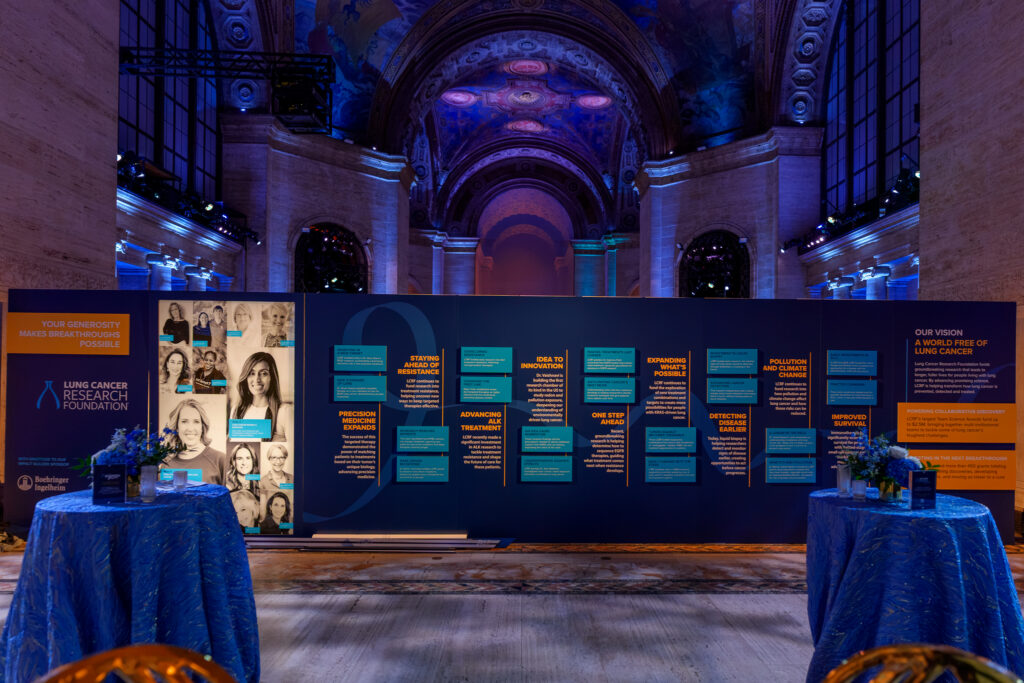
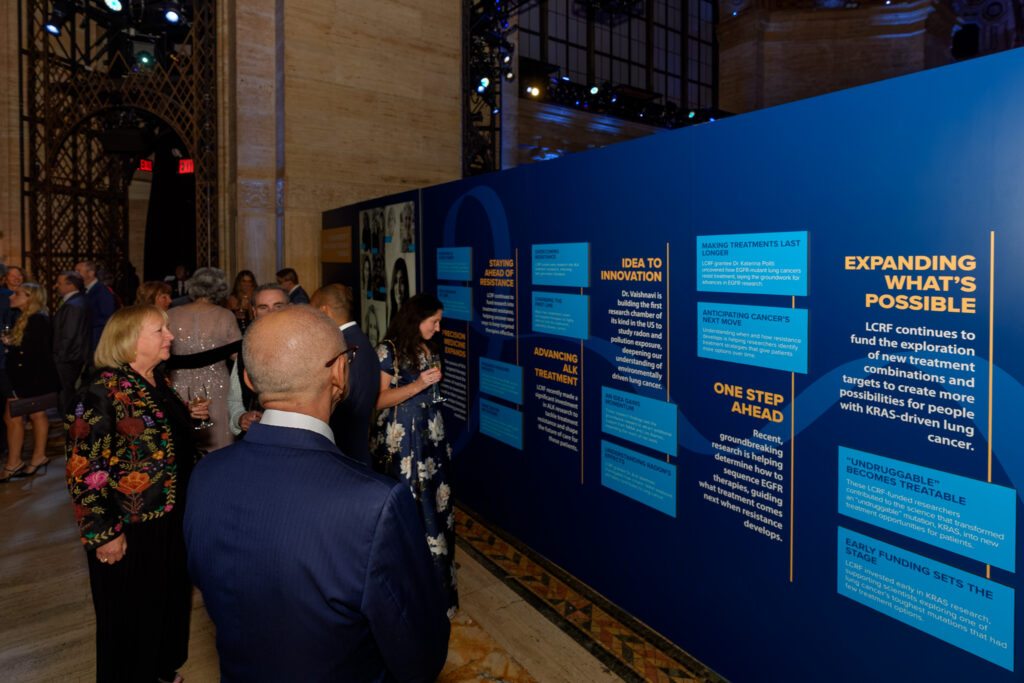
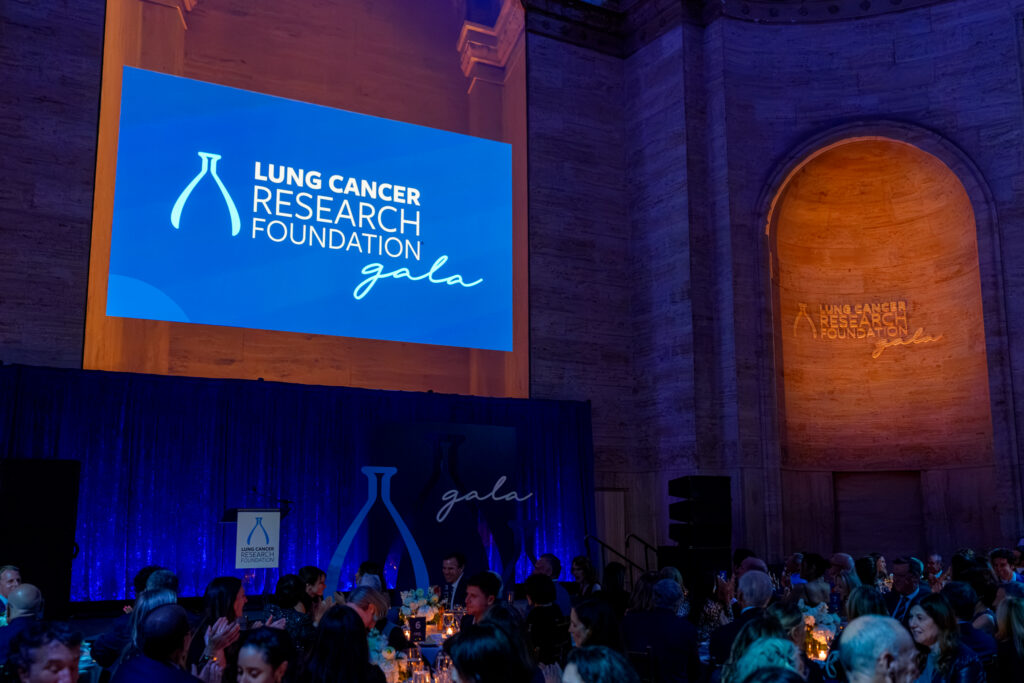
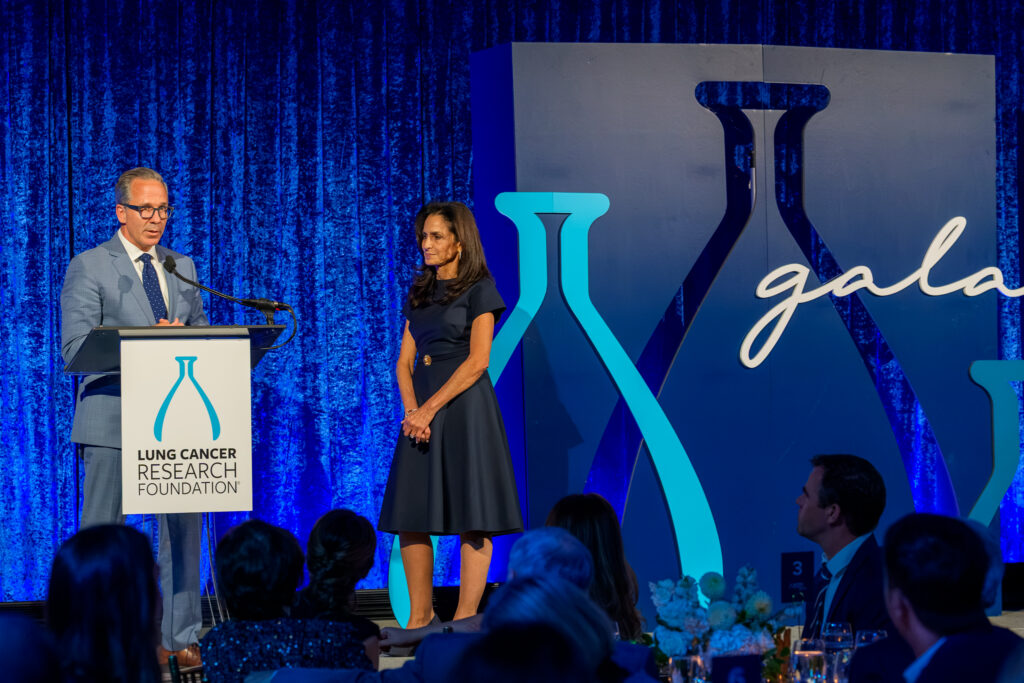
The Lung Cancer Research Foundation’s annual gala celebrated scientific discovery and the remarkable people who have contributed to the progress being made in the lung cancer space. This year’s gala spotlighted women in particular – the women surviving lung cancer, the women we remember, the women caring for patients every day, and the women in labs pushing science forward toward a cure.
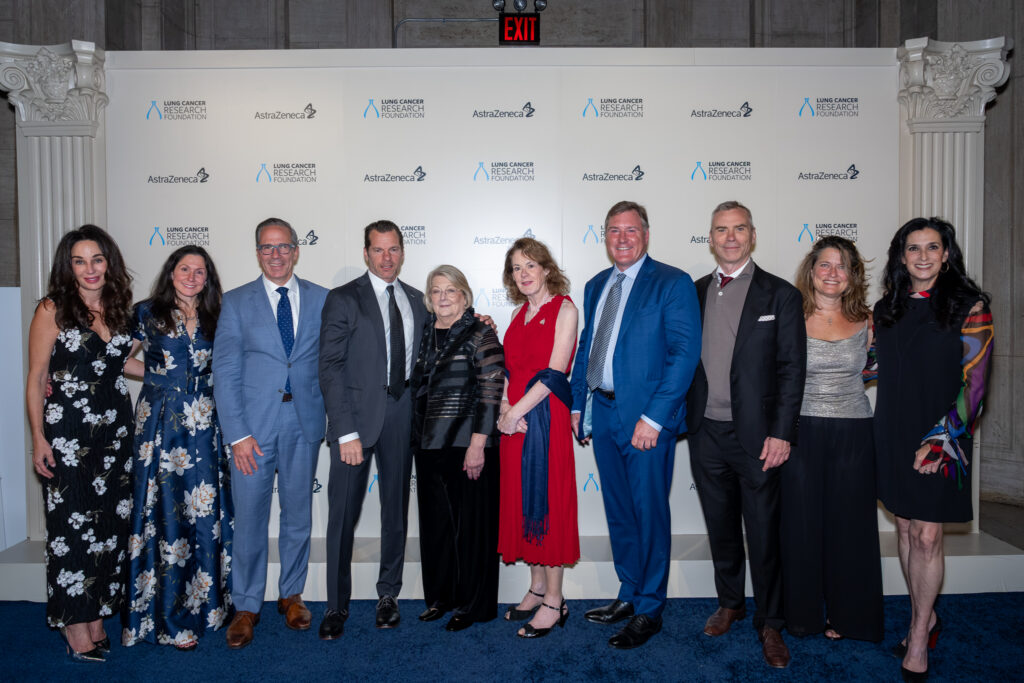
The gala, held at Cipriani 25 Broadway on Sept. 23, raised nearly $1.5 million to accelerate research, improve outcomes, and bring hope to countless families affected by lung cancer.
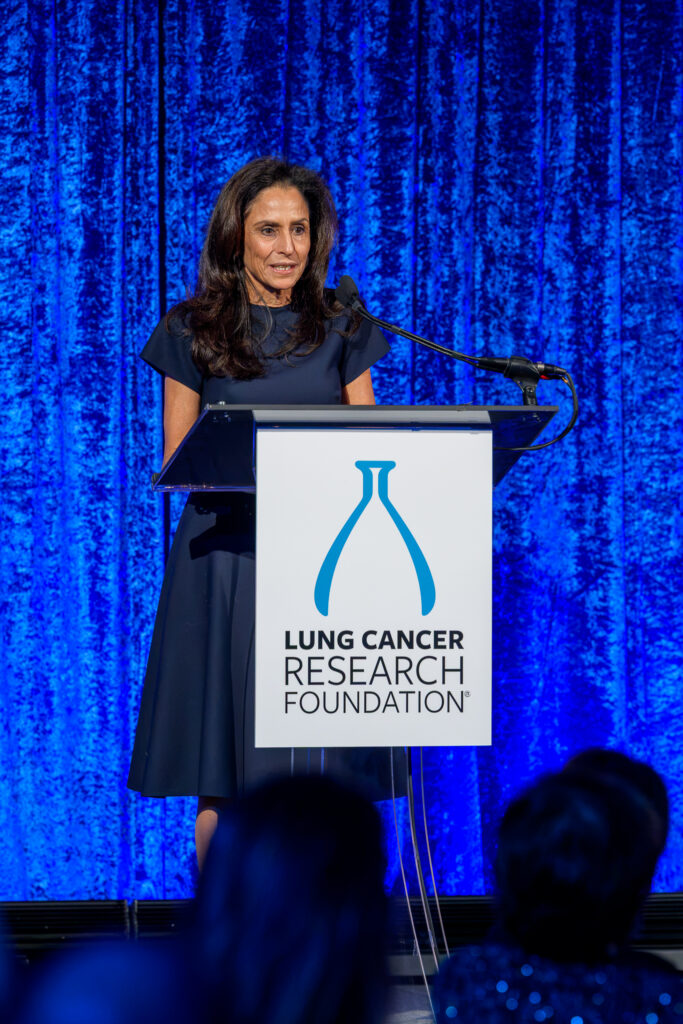
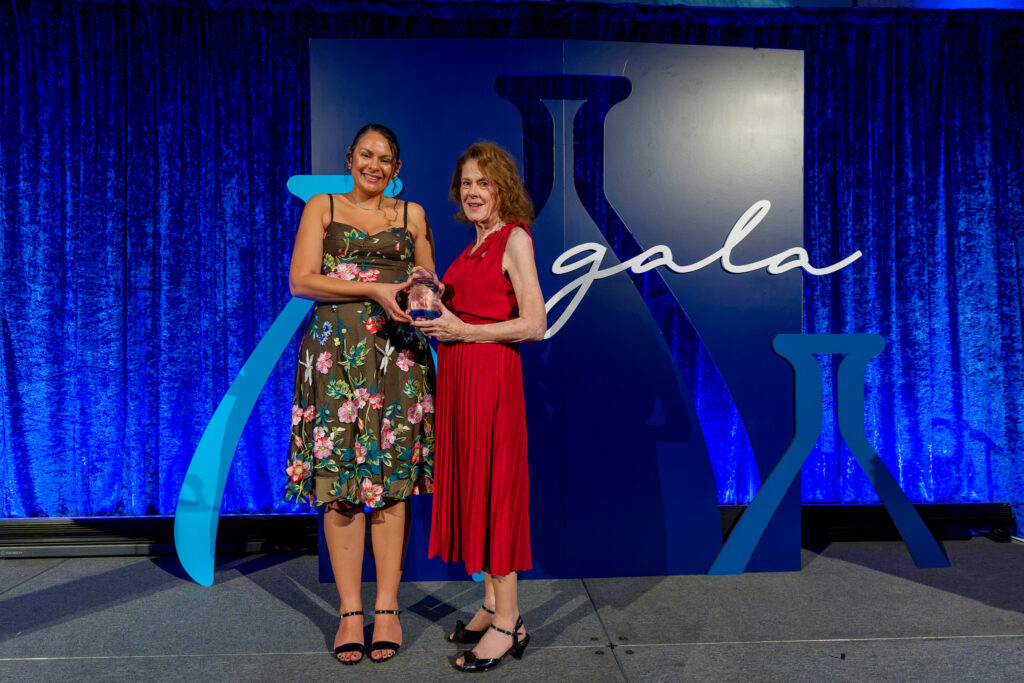
Board member Rose Ann Weinstein was honored for her 20 years of extraordinary leadership, generosity, and vision which have helped shape LCRF’s trajectory and advance lung cancer research. In honor of her mother, Sonia, Rose Ann has built a lasting legacy of impact championing research that drives earlier detection, better treatments, and renewed hope for patients and families. Her commitment has made a tremendous impact, and her influence continues to inspire our community to invest boldly in lifesaving science.
“We faced my mother’s diagnosis without a roadmap—without knowing where to turn or who to call. That’s what this community provides. The incredible doctors and researchers in this room help turn panic into plan, and their work has made a real, measurable difference.”
– Rose Ann Weinstein
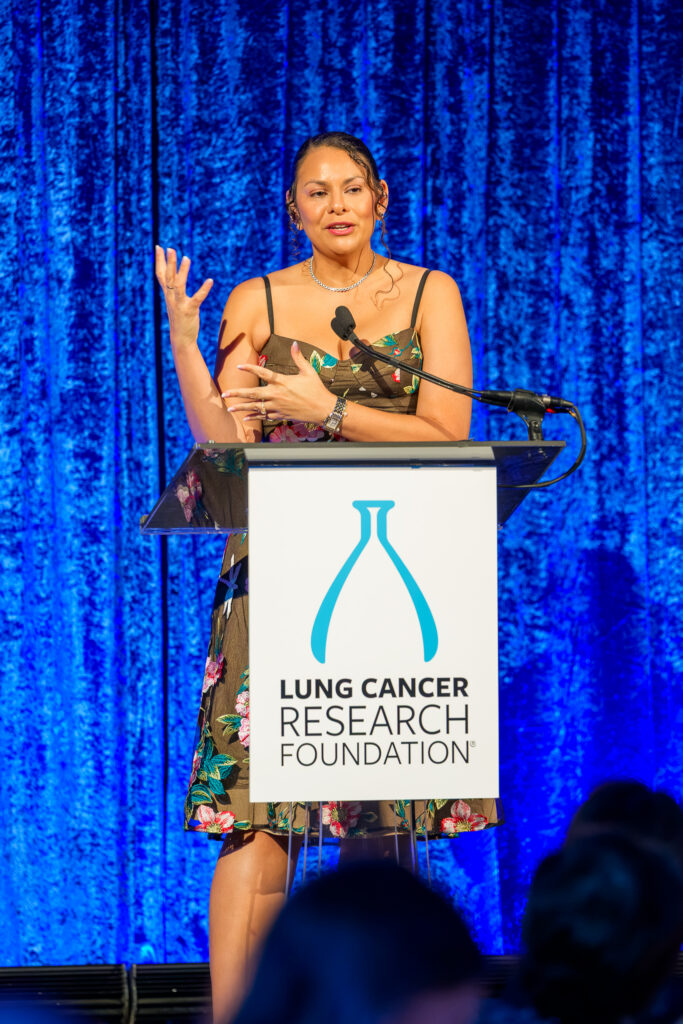
Narjust Florez, MD, was honored for her trailblazing thoracic oncology, research, and advocacy. Her work has transformed how lung cancer in women is understood, diagnosed, and treated. Through groundbreaking research, the creation of clinics dedicated to women with lung cancer, and the powerful #HearHer campaign to shed light on the delays women face in getting a diagnosis, Dr. Florez has elevated patient voices, challenged inequities, and driven meaningful change in care. Her leadership at Dana-Farber Brigham Cancer Center exemplifies LCRF’s commitment to science that centers equity, compassion, and real-world impact for women and families affected by lung cancer.
“A woman with lung cancer is not just the cancer we see on the scan. A woman with lung cancer is a whole life.”
– Dr. Narjust Florez
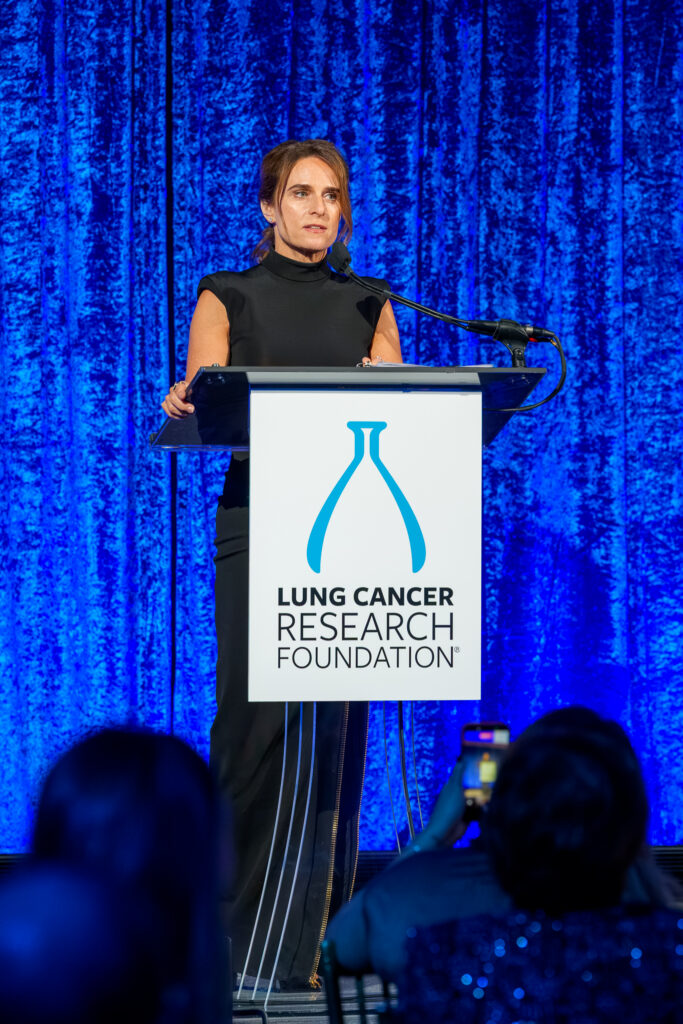
Jill Frizzley shared a powerful and poignant personal story of her experience receiving a lung cancer diagnosis. Her words touched everyone in the room as she called for all the attendees to support lung cancer research funding.
“We may never know exactly what caused my cancer. I have no known risk factors, and it is possible that environmental factors played a role. What I do know is that we cannot rely on today’s treatments alone. Lung cancer remains the leading cause of cancer deaths in the United States, and we need research that helps us detect it earlier and gives people diagnosed at later stages more and better options.”
– Jill Frizzley
While this year’s event was a celebration of the progress made in lung cancer research, each of the speakers underscored the urgent need for more funding. While we have come so far, there is still much work to be done.
A special thank you to our Presenting Sponsor for this year’s Gala, AstraZeneca.
Event has raised more than $9k for lung cancer research
What began as a loving tribute to Eddie Collins has become a meaningful annual tradition for his family, friends and community.
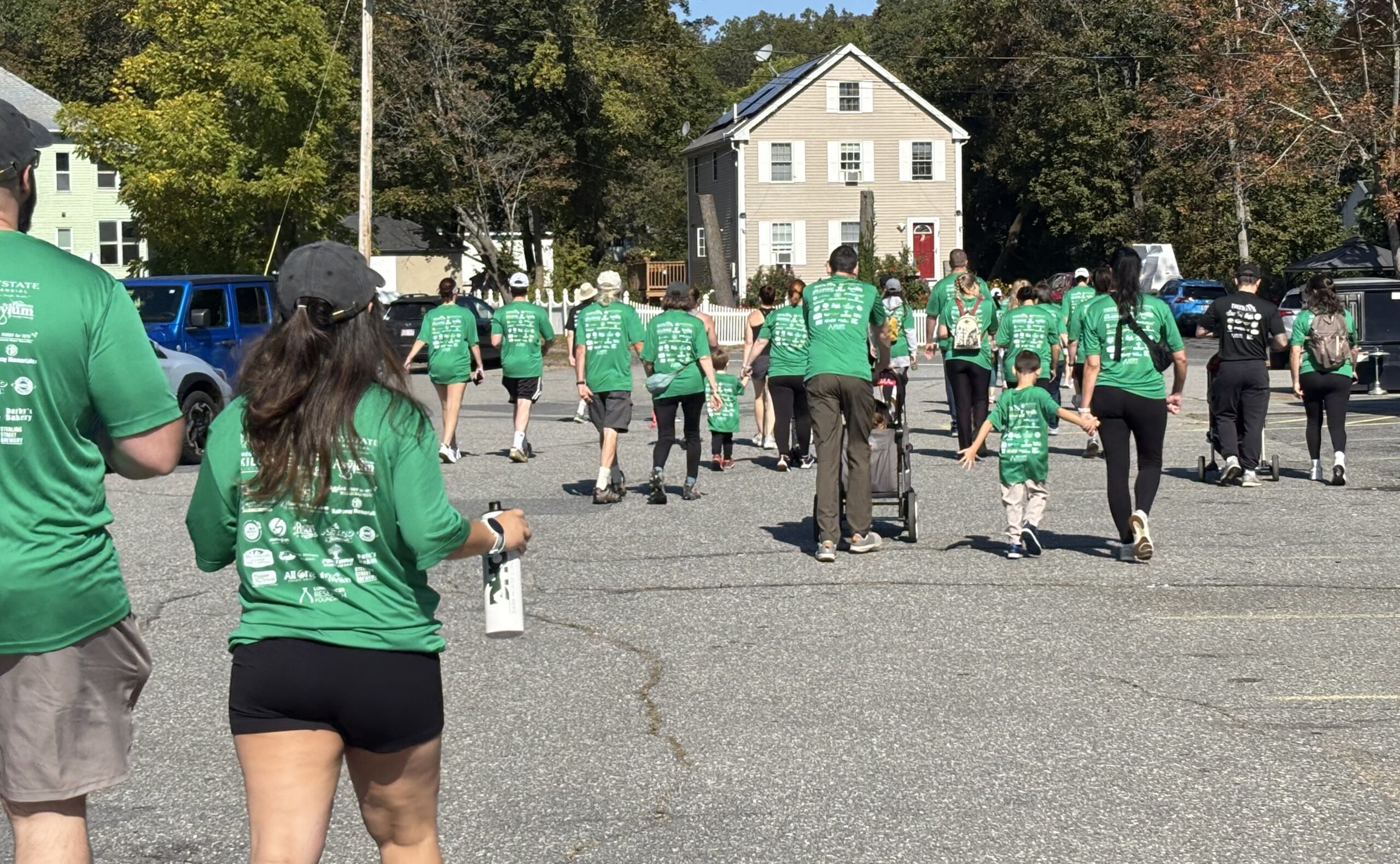
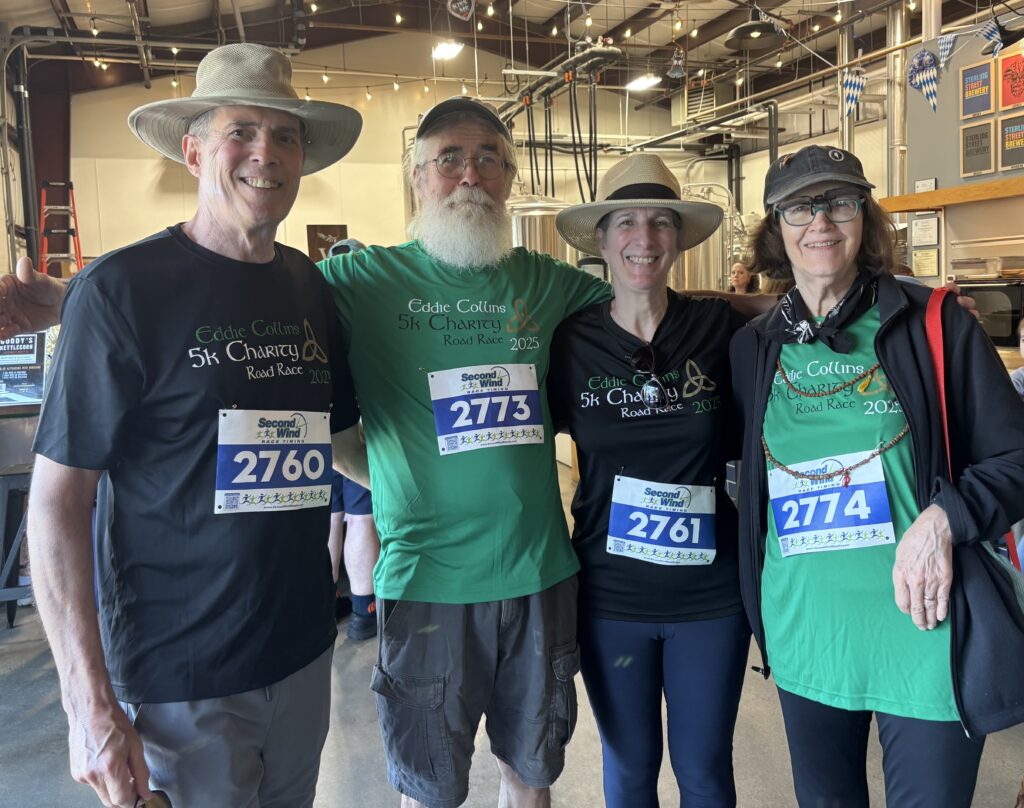
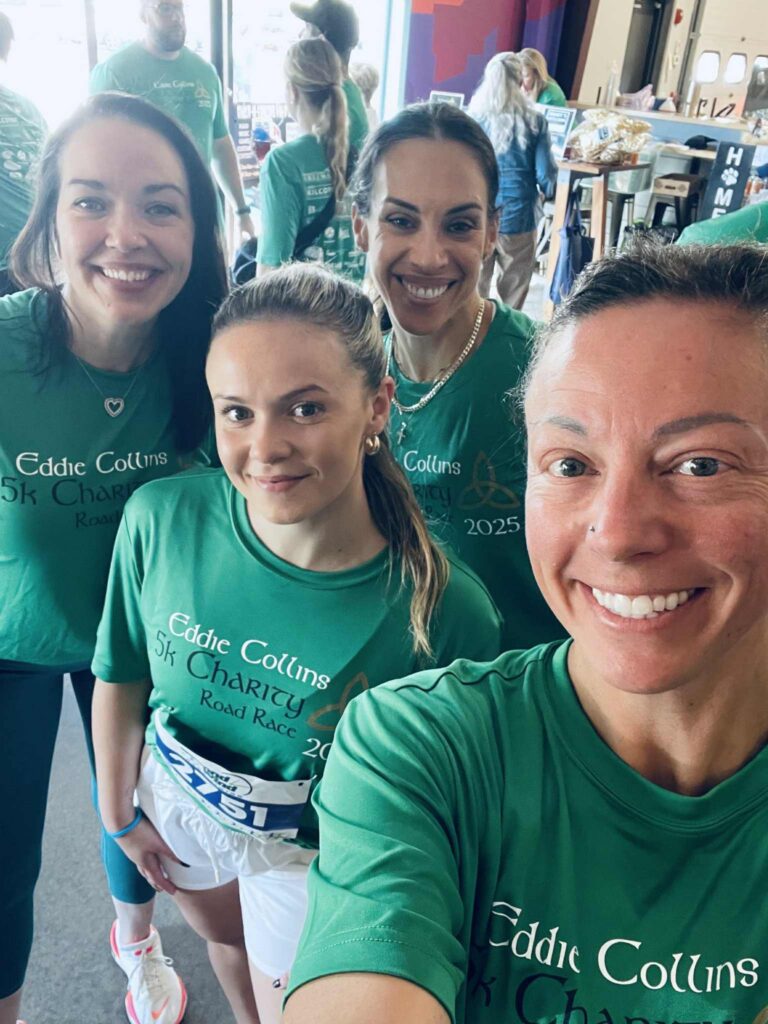
In October 2025, Eddie’s wife, Ellen, and daughter, Samantha, hosted the second annual Eddie Collins 5K in Clinton, MA. The event brought together approximately 120 to 130 people and raised an incredible $9,104 for the Lung Cancer Research Foundation.
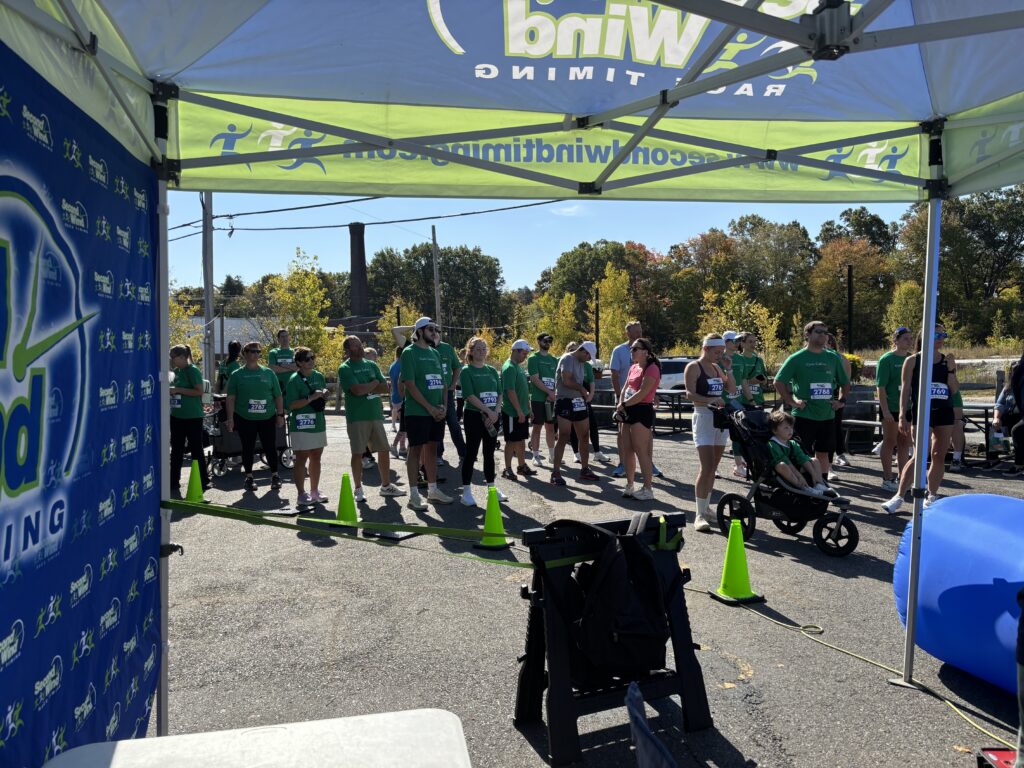
Sixty-nine participants took part in the 5K run and walk, with many pushing strollers, pulling wagons or bringing their dogs along for the day. Every participant received a complimentary event T-shirt, raffle tickets, an LCRF wristband and a five-ounce pour courtesy of Sterling Street Brewery, which once again served as the event’s host.
Participants and guests were also treated to complimentary water, bananas, clementines and protein and granola bars, while The Taco Dude food truck kept the crowd well fed throughout the celebration.
One of the highlights of the event was an impressive collection of 19 themed raffle baskets. Local businesses and supporters contributed experiences and prizes ranging from brewery favorites and fitness packages to family outings, date nights, spa treatments, seasonal décor and even a fire pit complete with a s’mores-making kit. Two participants were also selected through a random race bib drawing to receive $50 gift cards to a popular sneaker store.
The community’s generosity extended far beyond race day. Twenty-three sponsors supported the event in addition to Sterling Street Brewery, and 16 local businesses provided in-kind donations for raffle baskets and prizes. Attendees could also support the fundraiser by making donations for T-shirts, raffle tickets and bags of kettle corn or by giving directly to the cause.
Together, these contributions helped the Collins family exceed the previous year’s fundraising total and make an even greater impact on lung cancer research.
Remembering Eddie Collins
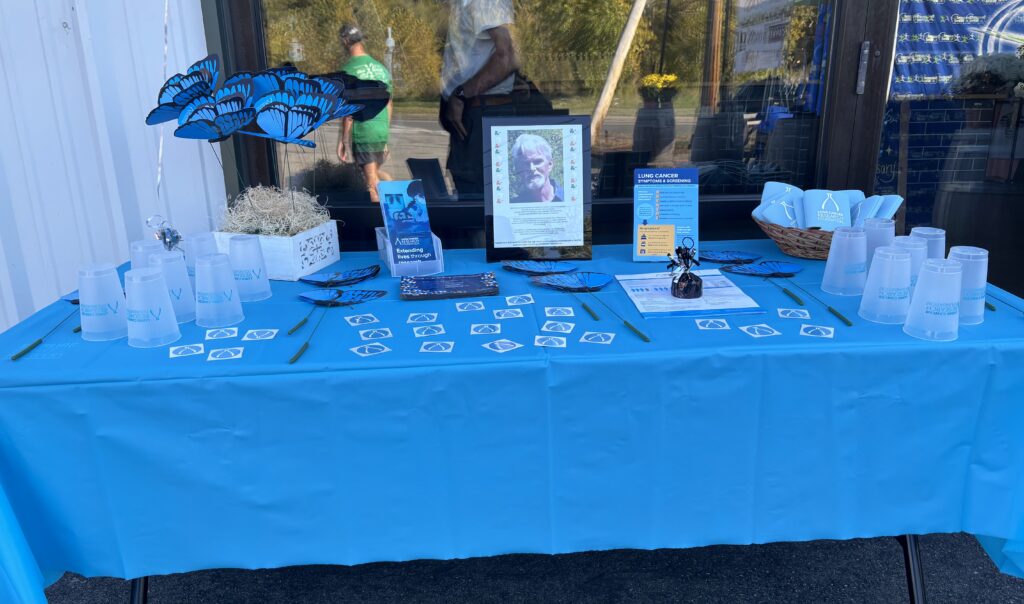
The event was created in memory of Edward “Eddie” Collins, a proud local of Berlin and Clinton, Massachusetts, who was deeply devoted to his family and community.
Eddie and Ellen married in 1993. He was the proud father of four children — Samantha, Vanessa, Chad and Amanda — as well as a grandfather of 13 and great-grandfather of four.
Eddie was a familiar face throughout the community and the kind of person who rarely went anywhere without running into someone he knew. In April 2023, he was diagnosed with stage 4 small-cell lung cancer. Eddie faced the disease with the strength and determination that defined his life before passing away six months later, on October 3, 2023, at the age of 67.
Through this annual event, Eddie’s spirit continues to bring people together while creating hope for families affected by lung cancer.
Join the Third Annual Eddie Collins 5K
The Collins family is now preparing for the third annual Eddie Collins 5K Charity Road Race on Saturday, October 3, 2026, at Sterling Street Brewery in Clinton, MA.
The 5K run and walk will begin at 11 a.m. ET, with race-day registration available from 9 to 10:30 a.m. Participants can expect another memorable day of running, walking, brews, food, raffles and community all while helping fund research for the prevention, diagnosis, treatment and cure of lung cancer.
Registration is $35 through September 30, then $40 through race day. Event shirts will be provided to registrants.
Whether you run, walk, donate or come out to cheer on the participants, you can help the Collins family continue Eddie’s legacy and advance lifesaving lung cancer research.
Molecular Landscape of Acquired Resistance to Sevabertinib in HER2-mutant NSCLC: Exploratory Biomarker Analysis of SOHO-01
Xiuning Le, MD, PhD
MD Anderson Cancer Center
Dr. Le is presenting her work at the World Conference on Lung Cancer in Seoul, South Korea on Sept. 15, 2026.Session info
Dr. Le received the 2025 LCRF | Bayer Research Award on Innovative Therapeutic Strategies to Treat Lung Cancers Harboring HER2 Mutations and/or Other HER2 Alterations for her project, Characterization of HER2 Mutations’ Sensitivity to Sevabertinib & Development of Novel Combination Strategies to Overcome Resistance to Current HER2 Therapies.
HER2 mutations are found in approximately 2–4% of non-small cell lung cancers (NSCLC) and are associated with poor outcomes. Sevabertinib is a targeted therapy designed specifically to inhibit HER2 and has shown promising results in patients with advanced HER2-mutant NSCLC, including both newly diagnosed and previously treated patients.
One important question is why some cancers eventually begin growing again despite treatment. This study analyzed blood samples from patients participating in the Phase 1/2 SOHO-01 clinical trial to identify genetic changes that may help explain how HER2-mutant lung cancers develop resistance to sevabertinib.
Exciting findings so far
Researchers were able to compare blood samples collected before treatment and around the time of disease progression for 73 patients whose tumors had detectable HER2 mutations at the start of treatment. The molecular landscape of most patients’ cancers remained relatively stable; however, researchers identified potential genetic mechanisms of resistance in 22 of them.
The most common potential resistance mechanism was a secondary change in HER2 called T862A, which emerged in 12 of 73 patients, suggesting that T862A may be an important mechanism by which some HER2-mutant cancers develop resistance to sevabertinib.
Importantly, most patients whose disease progressed did not have an identifiable genetic resistance mechanism. This suggests that other processes, including nongenetic or adaptive changes in cancer cells, may also contribute to resistance. C805S mutations were not detected.
What’s next
Researchers are conducting studies in the laboratory and structural modeling to better understand how the HER2 T852A alteration affects sevabertinib’s ability to inhibit HER2.
Because most patients did not have an identifiable genetic cause of resistance to the drug, additional research is needed to understand other ways that HER2-mutant lung cancer cells adapt to escape treatment.
Important to know
The HER2 T862A alteration emerged as the most common potential genetic mechanism of resistance identified in this analysis. However, patients who developed T862A had a similar duration of response and time to disease progression as patients who did not develop the alteration.
The findings presented here are from an exploratory biomarker analysis of the SOHO-01 clinical trial. More studies are underway to determine the significance of the T862A alteration and how it affects the ability of sevabertinib to inhibit HER2.
The U.S. Food and Drug Administration (FDA) has granted accelerated approval to sevabertinib for the treatment of adult patients with unresectable or metastatic non-squamous non-small cell lung cancer (NSCLC) whose tumors have HER2 (ERBB2) mutations and who have received prior systemic therapy. This is the most recent oral tyrosine kinase inhibitor (TKI) that has been approved.
Update: On September 9, 2026, the FDA expanded the approval for sevabertinib to include patients who have not yet received treatment.
Why it’s important
Alterations in the HER2 gene have been associated with the development and spread of cancer. HER2 mutations occur in about 2-4% of patients with NSCLC. In the past two decades, several clinical trials have investigated the use of anti-HER2 therapies in lung cancer but have led to disappointing results. Progress was made when in 2022, the FDA granted accelerated approval to trastuzumab deruxtecan for patients with unresectable or metastatic NSCLC whose tumors have HER2 mutations and who have received prior therapy. This drug is an antibody drug conjugate, which is a form of “targeted chemotherapy.” Thanks to continued research, zongertinib (another TKI) was approved earlier this year for previously treated HER2-mutated NSCLC — and now, sevabertinib is the third therapy approved for this rare subtype of NSCLC.
Sevabertinib is an oral TKI that specifically targets HER2 mutations. In the SOHO-01 (NCT05099172) clinical trial, 70 patients with locally advanced or metastatic NSCLC with HER2 (ERBB2) mutations who had received prior systemic therapy were treated with sevabertinib. An impressive 71% of the patients had significant shrinkage of their cancer and control of the cancer lasted over 9 months for many of the patients.
Update: In the SOHO-01 trial, 69 patients with locally advanced or metastatic NSCLC with HER2 (ERBB2) mutations who were not previously treated received sevabertinib. 75% of patients responded totreatment and in nearly all the patients the cancer was controlled for more than 6 months.
The most common side effect was diarrhea which was managed without the need to discontinue the drug. Other common toxicities included rash and nail changes. The prescribing information also contains warnings for potential liver toxicity, pneumonitis (lung inflammation), eye toxicity, pancreatic enzyme elevation, and embryo-fetal toxicity.
What it means for patients
Sevabertinib represents another advancement in the treatment of NSCLC patients with HER2 mutations. Since this is an accelerated FDA approval, there will be more trials that will be performed to confirm the effectiveness of the drug. It is important that patients with advanced non-squamous NSCLC have their tumors tested for HER2 mutations.
What to look for
It is likely that sevabertinib will be evaluated as initial treatment for patients with HER2-mutated NSCLC in upcoming clinical trials with the hope that it will be more effective than chemotherapy as a first treatment. We could also see the evaluation of sevabertinib in combination with other agents such as chemotherapy. It is also important to remember that the drug is unlikely to be a cure for these patients and that there is still an urgent need to continue research efforts to determine why cancer cells are or become resistant to treatment. Expect that the development of novel drugs for this type of lung cancer will continue in the future.
Update: With this latest approval, sevabertinib can now be used as a first treatment option, offering patients a targeted oral therapy earlier in their treatment course.
To learn more about HER2-mutant NSCLC, download this educational resource. If you have questions, you can connect with our Lung Cancer Support Line at (844) 835-4325 or email support@LCRF.org.
Dr. Feng is presenting his work at the World Conference on Lung Cancer in Seoul, South Korea on Sept. 13, 2026.Session info
About the research
mSWI/SNF chromatin remodeling complexes act as an on/off switch for genes cancer cells depend on for survival. The primary goal of this project is to evaluate whether blocking mSWI/SNF is effective for treating KRAS-mutant lung cancer, particularly when resistance to KRAS inhibitors develops. The team is working to decipher the specific genes controlled by mSWI/SNF to help understand why lung cancer cells rely on mSWI/SNF to survive. Several mSWI/SNF inhibitors are currently in human clinical trials – so the team is evaluating the impact of these inhibitors as an approach to treating KRAS-mutant lung cancer.
Exciting findings so far
The most exciting thing so far is that regardless of the specific genetic mutation in the KRAS gene that lung cancer cells carry, inhibiting mSWI/SNF makes existing drugs more potent and effective for longer periods of time.
The team has found that mSWI/SNF cooperates with AP-1 complexes to control gene expression in cancer cells, and that inhibiting AP-1 has a similar effect to inhibiting mSWI/SNF when it comes to making cells more responsive to drug treatment and preventing development of drug resistance.
What’s next
Because of the unexpected finding that the mSWI/SNF complex is necessary for AP-1 to be fully functional in KRAS-mutant lung cancer, and drugs have been developed to target mSWI/SNF (but not AP-1), the team is developing a first-in-class AP-1 specific inhibitor as an innovative alternative approach to treat lung cancer.
In EGFR-mutant lung cancer, mSWI/SNF works in tandem with AP-1 in a similar way and inhibiting either mSWI/SNF or AP-1 can reverse resistance against the EGFR inhibitor, osimertinib. The work from this project has highlighted this across multiple subtypes of lung cancer and more research is needed to determine if these findings can be applied more broadly across other subtypes of lung cancer, such as ALK, MET, and HER2-mutant lung cancers.
Important to know
LCRF supporters play a pivotal role in not only funding important lung cancer research, but in educating others about the progress that researchers are making and how critical financial support is for this progress to continue.
Dr. Feng has recently received a departmental grant as follow-on funding, crediting this LCRF award in helping generate strong preliminary data.
The U.S. Food and Drug Administration (FDA) approved zidesamtinib for adults with locally advanced or metastatic ROS1-positive (+) non-small cell lung cancer (NSCLC) who received a prior ROS1 inhibitor.
Why it’s important
The ROS1 gene is felt to be important in the regulation of various processes within the cell. A ROS1 fusion or rearrangement occurs when the ROS1 gene combines with part of another gene. The change in the gene can cause uncontrolled cell growth and cancer. The ROS1 gene is altered in about 1-2% of patients with lung cancer, usually NSCLC of the adenocarcinoma type. Patients who are ROS1+ tend to be younger than the average patient with lung cancer and have little to no smoking history.
Zidesamtinib is a next generation oral tyrosine kinase inhibitor (TKI) that targets the abnormal ROS1 gene and can help slow down or stop the growth of cancer cells. The drug distinguishes itself from some of the other ROS1 inhibitors by being more selective for ROS1 and active against resistance mutations such as G2032R. The drug also has less neurologic toxicity and is active against brain metastases.
The approval of zidesamtinib is based on the results from a global ARROS-1 phase I/II clinical trial in patients with advanced or metastatic ROS1+ NSCLC who were previously treated with a ROS1 inhibitor. Among the 117 patients in the study, 44% responded to treatment, including those with resistance mutations and brain metastases. The treatment provided lasting benefit, with 69% of the patients having control of their disease at 12 months.
Zidesamtinib was very well tolerated. The most common side effects associated with treatment included: swelling, peripheral neuropathy (nerve pain/tingling), constipation, fatigue and shortness of breath.
What it means for patients
ROS1 fusions/rearrangements represent an abnormality in the cancer cell that can be treated with “targeted” therapy. Because of its rarity, it is important that patients have biomarker testing done on their cancer to determine if a ROS1 abnormality is present, because zidesmatinib represents another treatment option for patients with ROS1+ NSCLC. Notably, the encouraging responses in patients who have already received many other treatments represents meaningful progress in the treatment of patients with this type of lung cancer.
What to look for
Zidesmatinib represents the results of efforts to develop new and improved targeted therapy for people with ROS1+ lung cancer. Look for trials utilizing this agent as an initial treatment. Future research will be focused on understanding why resistance to treatment occurs and how to better manage side effects. The goal of these research efforts is to eventually find a cure for ROS1+ lung cancer as well as other oncogene-driven cancers. Expect that development of new drugs will continue.
The good news The 7-year outcomes of the CROWN Trial were presented at the annual American Society of Clinical Oncology (ASCO) meeting.
Why it’s important Lorlatinib is a third generation ALK-tyrosine kinase inhibitor (TKI, a targeted therapy). The CROWN study is a Phase 3 trial in which 296 ALK+ patients received either crizotinib, a first generation ALK-TKI, or lorlatinib. The initial results of the trial showed that lorlatinib was superior to crizotinib (Shaw A, New England Journal of Medicine, 2020) and it is FDA approved for the treatment of metastatic ALK+ NSCLC. The update presented at the ASCO meeting revealed that after 7 years of follow-up, the median time of disease control, or progression-free survival, was not yet reached for lorlatinib and was 9.1 months for the patients treated with crizotinib. At 7 years, 55% of the patients receiving lorlatinib still had no progression of their disease. Loratinib also demonstrated both superior control of existing brain metastases and a reduction in the eventual development of brain metastases. No new progression of brain metastases was reported after patients were on lorlatinib for the first 30 months.
What it means for patients Lorlatinib is very effective in the treatment of patients with advanced ALK+ NSCLC. Of importance is its ability to control existing brain metastases and prevent the development of new central nervous system (CNS) disease. There were no new side effects of concern related to the longer time on treatment. Patients who required a reduction in the lorlatinib dose did just as well as those who tolerated the full dose. Patients should always discuss risks and benefits and options for treatment with their Oncologist.
What to look for Now at 7 years, there is no doubt that the benefit of lorlatinib is substantial for most patients with ALK+ lung cancer. We must not rest on our laurels since the vast majority of patients are not ultimately cured. It will also be important to continue to develop ways to manage side effects associated with the treatment.