Enter your search term above.

News

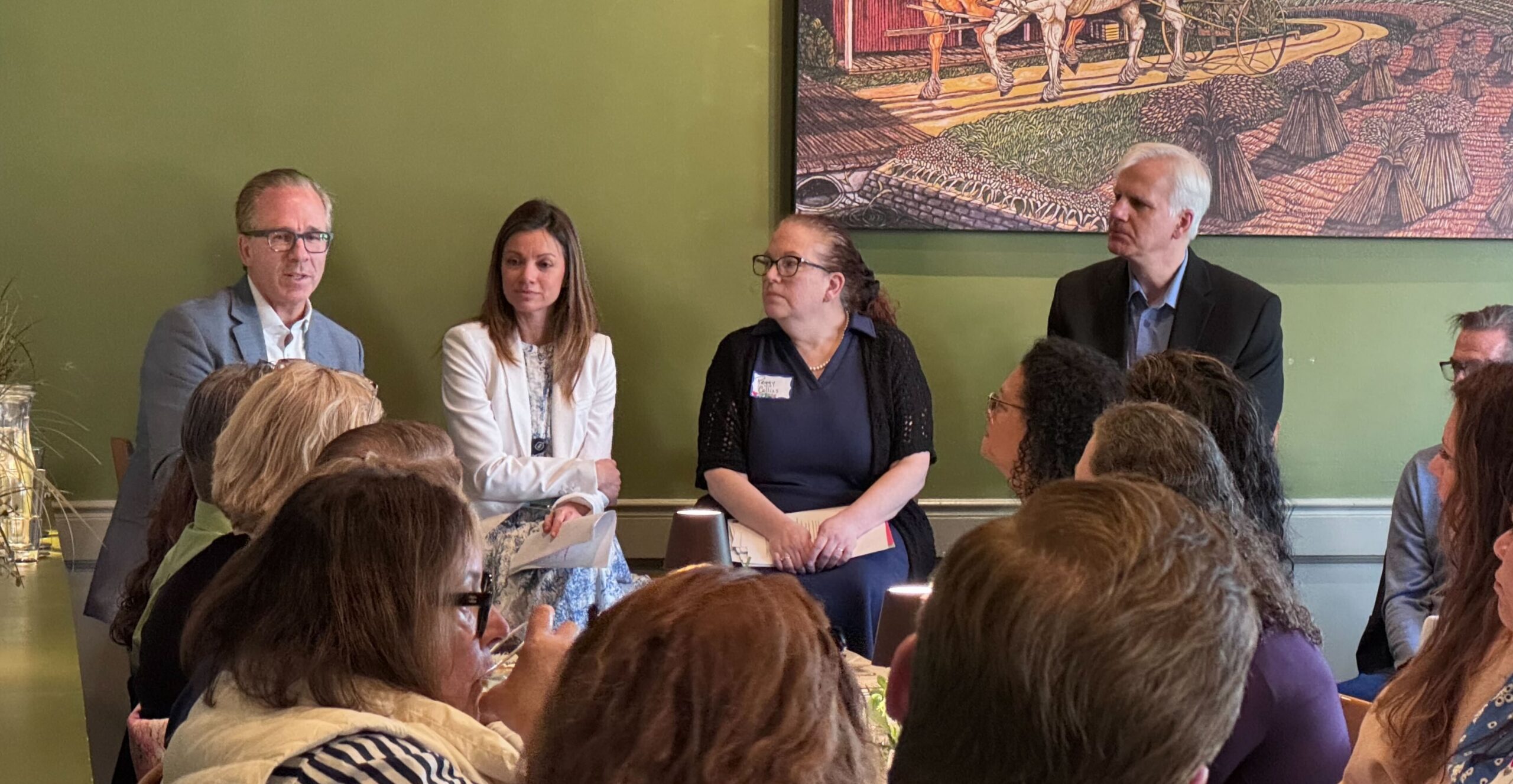
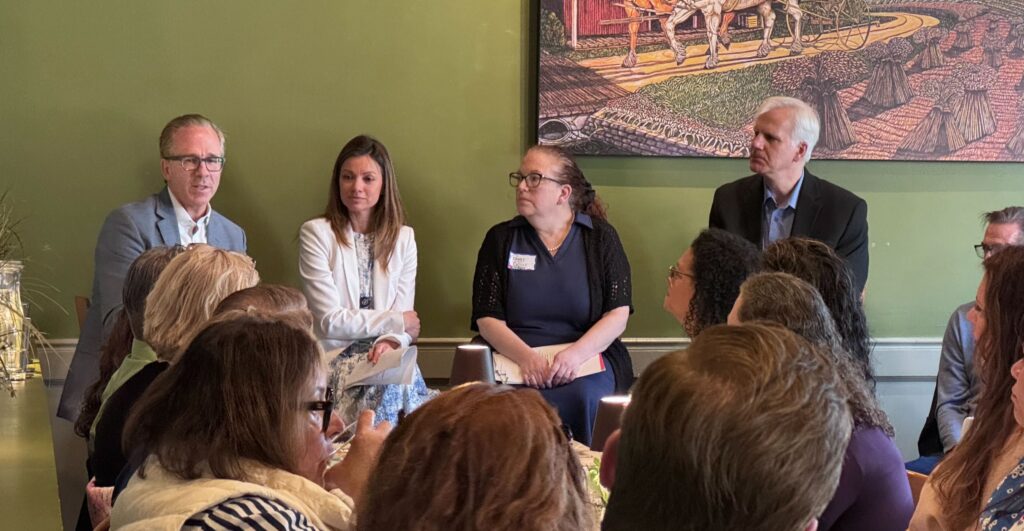
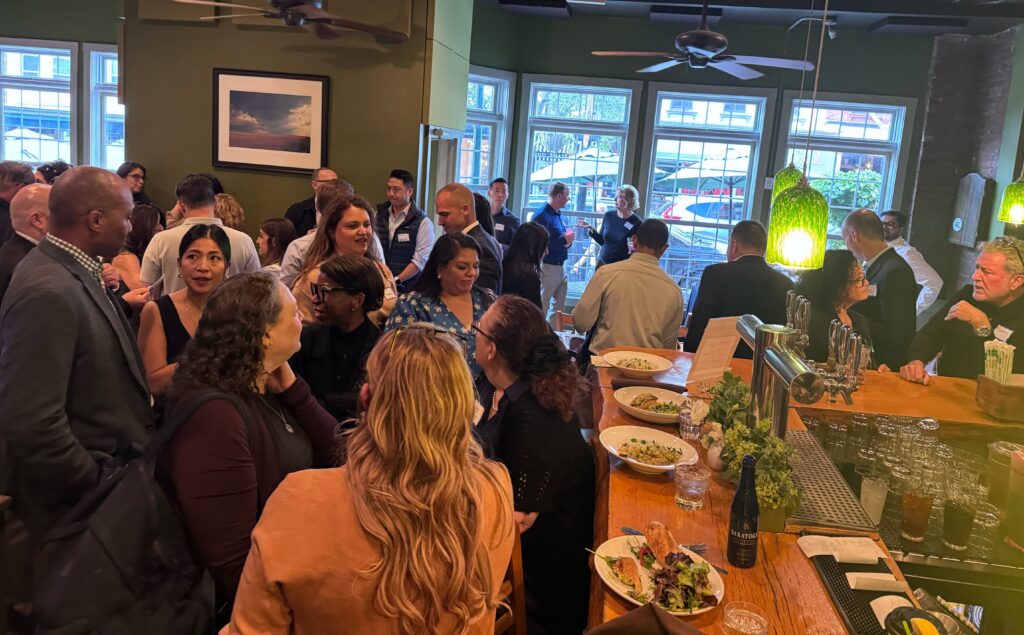
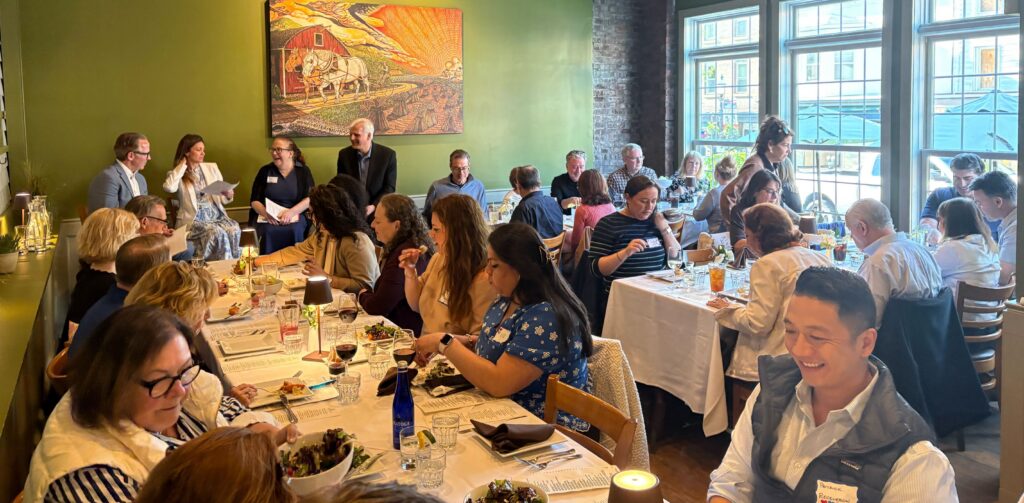
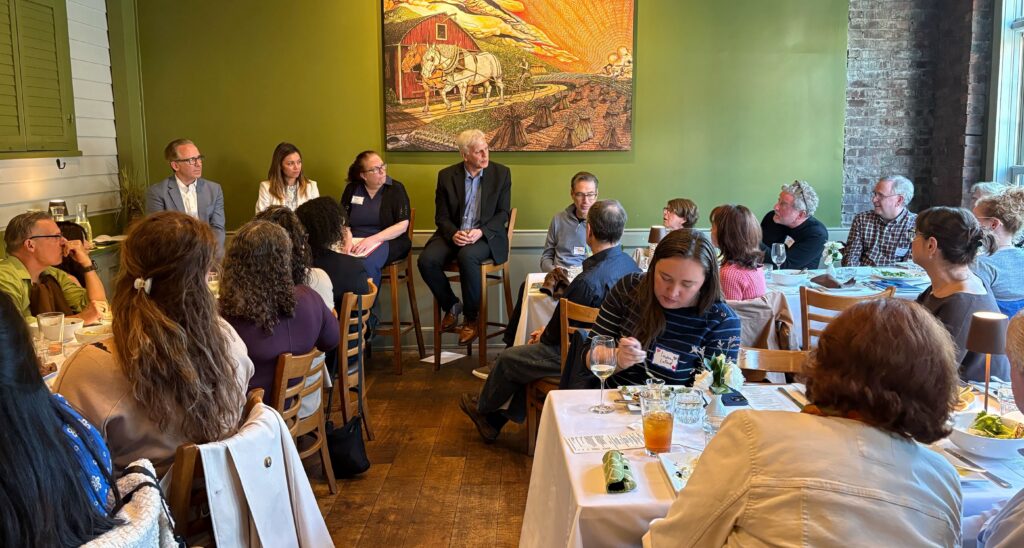
A lively group of patients, caregivers, family members, and medical experts connected at LCRF Together New York for dinner and discussion on May 7.

Our expert panelists included Dr. Balazs Halmos and Dr. Brendon Stiles from Montefiore Einstein Comprehensive Cancer Center; Dr. Isabel Preeshagul of Memorial Sloan Kettering Cancer Center; and Peggy Collins, an oncology nurse navigator at New York-Presbyterian Hospital.

Dr. Stiles, Dr. Preeshagul, Ms. Collins, and Dr. Halmos

Among the topics of conversation was early detection and the benefit of screening. More people are being diagnosed at earlier stages, when the disease is easier to treat.

The increase in survivorship means that the role of the nurse navigator is more important than ever, as they provide logistical and emotional support for those living with lung cancer. These resources are also important for caregivers.

Other discussion took place around small cell lung cancer, stigma, first line therapies, and how family history affects diagnosis.

Several LCRF grantees and other scientists attended the event, which was an opportunity to meet those whose lives are impacted by their research. Dr. Stiles noted that “the best way to keep young researchers involved with lung cancer research is to connect them with patients and get patients in the lab.”

The evening led to conversation and connection beyond the event. “Everyone was so kind and welcoming, and I had no idea how close knit this community is,” said one attendee. “We are looking forward to attending future events and involving other family members.”

Individuals and industry collaborate with the Lung Cancer Research Foundation to accelerate progress

NEW YORK, NY (May 19, 2026) – The Lung Cancer Research Foundation, in partnership with patients, survivors, caregivers, loved ones, industry partners and medical leaders, is funding two $300,000 two-year awards to accelerate treatment options for people with anaplastic lymphoma kinase (ALK) fusion-driven non-small cell lung cancer (NSCLC.)

More than 500,000 people worldwide are currently living with ALK-positive NSCLC and often affects younger adults with no history of tobacco use or other known risk factors. Ongoing investment in research remains imperative to expand therapeutic options, combat treatment resistance, and enhance long-term survival outcomes and quality of life for these patients.
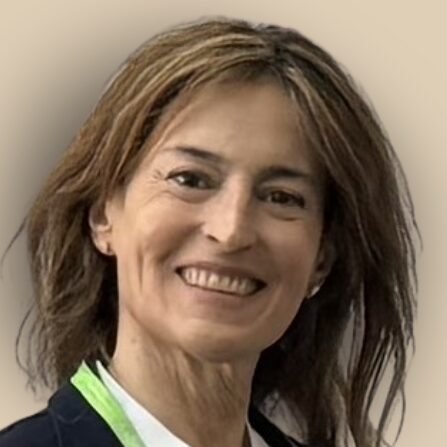
In 2007, scientists discovered that a genetic abnormality, or fusion, called EML4-ALK plays a key role in driving a subset of non-small cell lung cancers (NSCLC). This led to the development of targeted drugs called ALK inhibitors, the first of which was FDA-approved in 2011. The latest of these, lorlatinib, is a third-generation inhibitor designed to overcome resistance to earlier drugs. In a major clinical trial (CROWN), lorlatinib outperformed an older drug, crizotinib, showing longer progression-free survival and better control of brain metastases. After five years of follow-up, the median time without disease progression still hasn’t been reached, the best result ever reported for a single targeted therapy in advanced NSCLC.

Despite this progress, resistance eventually develops in all patients, leaving chemotherapy and clinical trials as the only remaining options. Immunotherapy, which has transformed treatment for many lung cancers, has largely been ineffective in ALK-positive NSCLC. There is a critical need to better understand why these tumors grow, how they respond to treatment, and why resistance develops.

The launch of this research grant was fueled by advocacy and support from members of the lung cancer community seeking better options for people living with ALK-positive lung cancer. Leading the fundraising effort was Colleen Conner Ziegler, chair of LCRF’s board of directors and ALK-positive lung cancer survivor, the Murgatroyd family, who lost their daughter at the age of 24 to ALK-positive lung cancer, David Cornbrooks, co-founder of the Sweat For Breath Foundation and an ALK positive lung cancer survivor, Pfizer, and many other generous donors.

“Although current treatment options work well and have good reported results, we know that one day, that treatment will no longer be effective,” says Colleen Conner Ziegler. “Research like this ensures that we are working to get ahead of the curve and have more options for people in active treatment. As both a representative of LCRF and someone with an ALK-positive NSCLC diagnosis, this collaboration of individuals, industry and foundations gives me great hope for the future.”

“Our family has been profoundly impacted by the loss of our daughter Kay to ALK-positive lung cancer,” remarked Aileen Murgatroyd of Research ALKay+ve UK. “We believe in LCRF’s ability to identify the best science to accelerate research that will continue to provide hope for others who face this diagnosis. This is why we joined in funding these grant awards.”

The 2026 LCRF Award on Advancing Breakthroughs in ALK-Positive Lung Cancer Request for Proposals will be announced in June 2026. To be notified when it is open for submissions, visit LCRF.org/RFPlist. To learn more about LCRF’s research program, visit LCRF.org/research.

###

About the Lung Cancer Research Foundation (LCRF)
The Lung Cancer Research Foundation® (LCRF) is the leading nonprofit organization focused on funding innovative, high-reward research with the potential to extend survival and improve quality of life for people with lung cancer. LCRF’s mission is to improve lung cancer outcomes by funding research for the prevention, diagnosis, treatment, and cure of lung cancer. To date, LCRF has funded 450 research grants, totaling nearly $53 million, the highest amount provided by a nonprofit organization dedicated to funding lung cancer research. For more information, visit LCRF.org.

Contact:
Sheila Sullivan
Sr. Director, Marketing & Communications
ssullivan@LCRF.org

Turning love, loss, and music into hope

By Emma Nestler, Senior Manager, Community Engagement

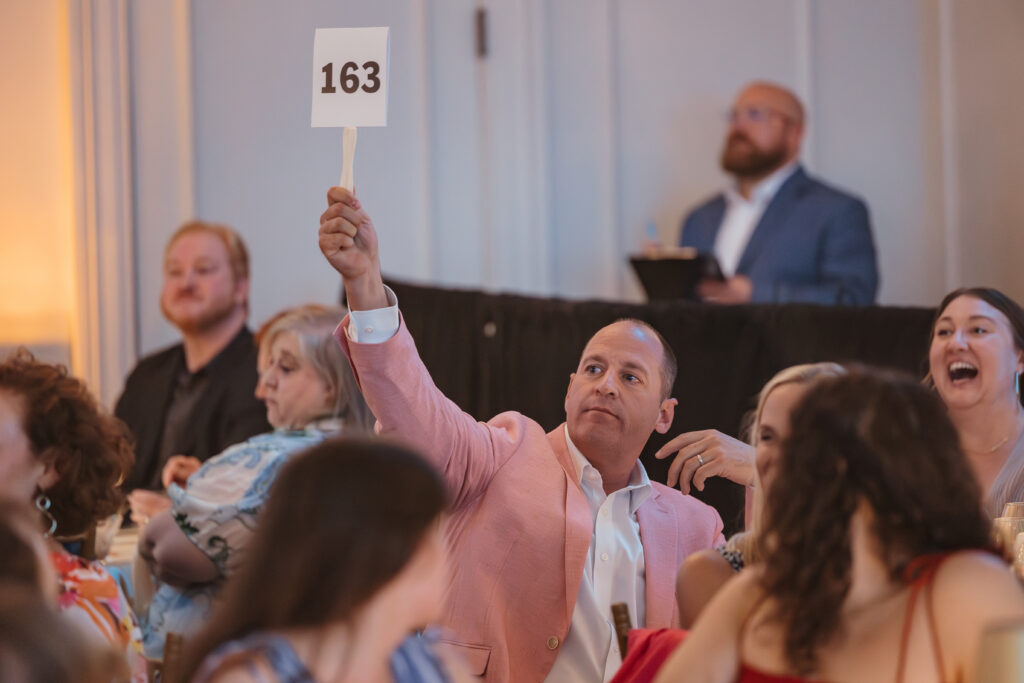
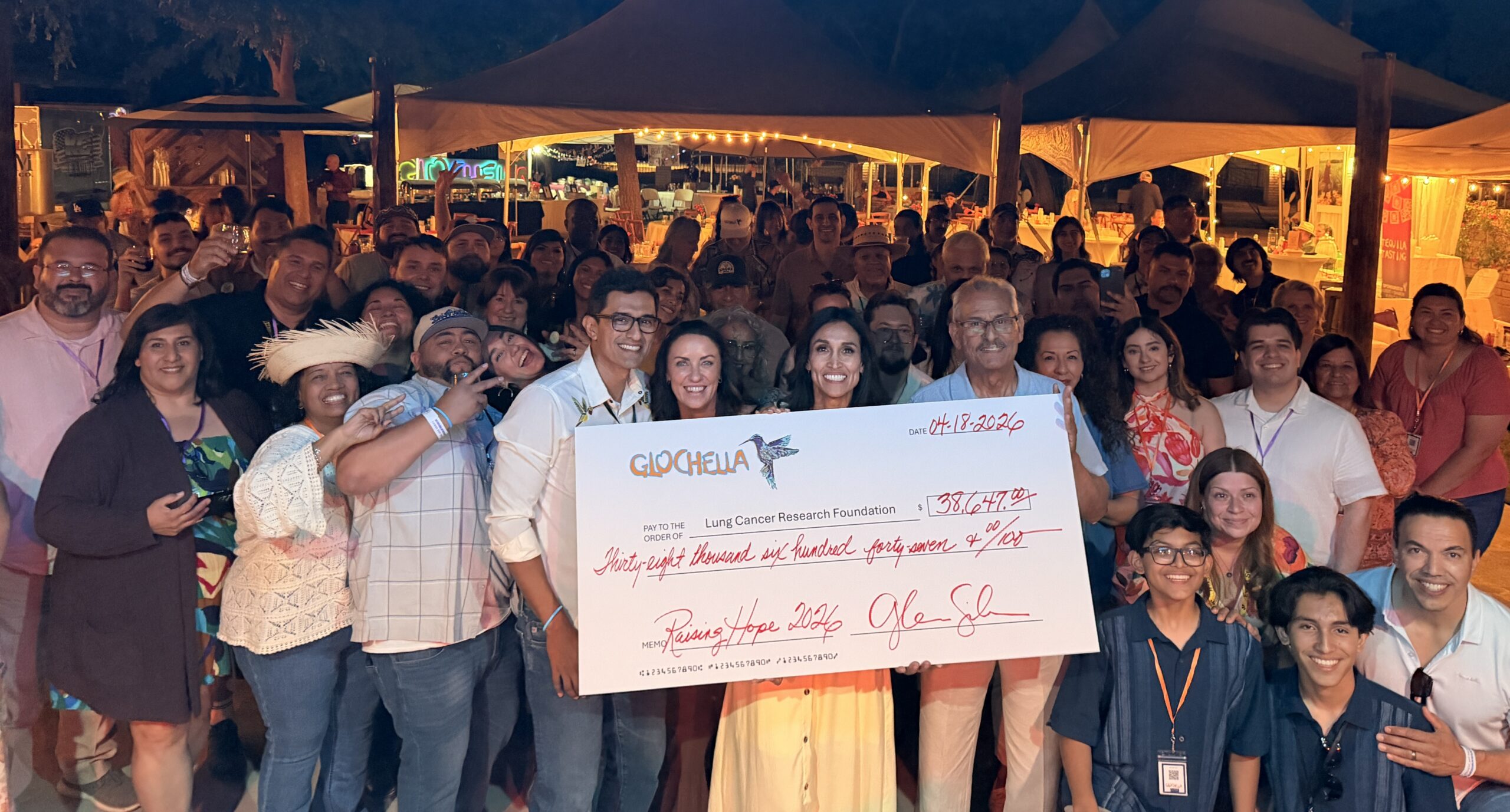
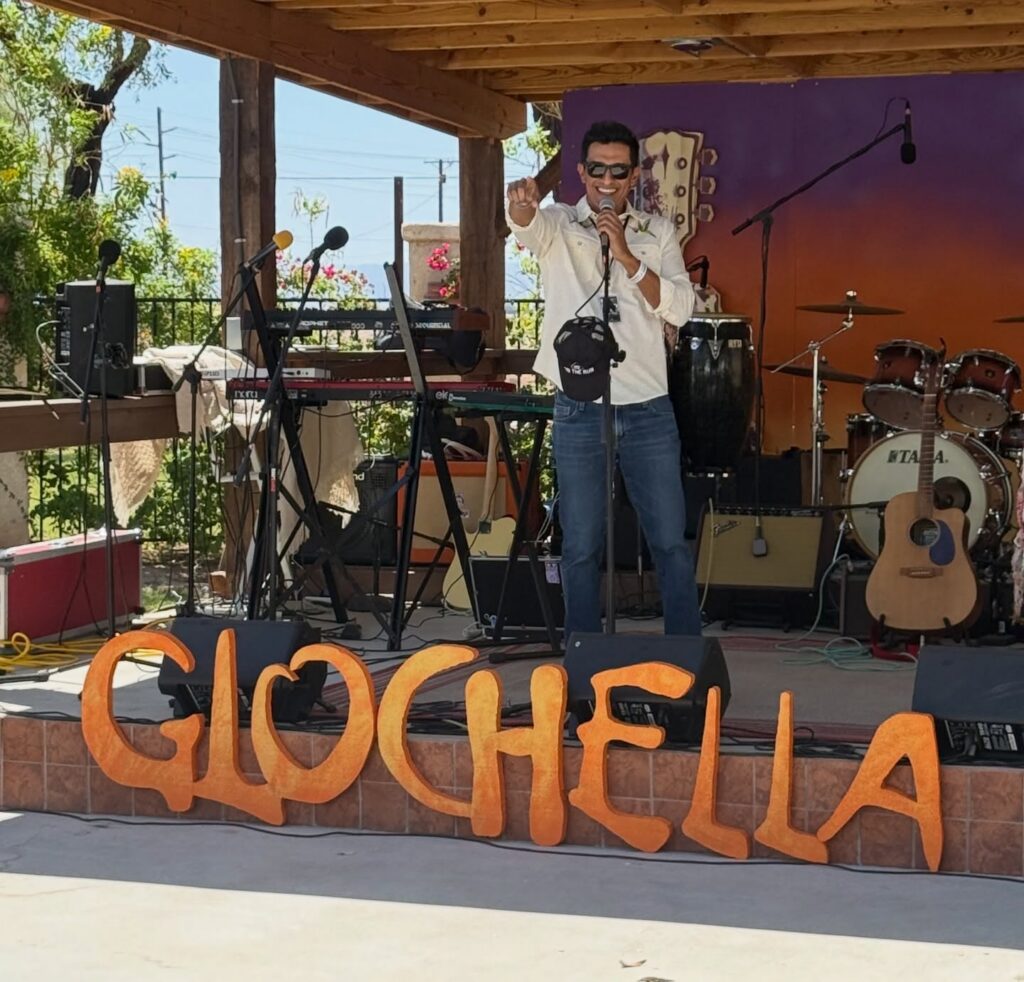
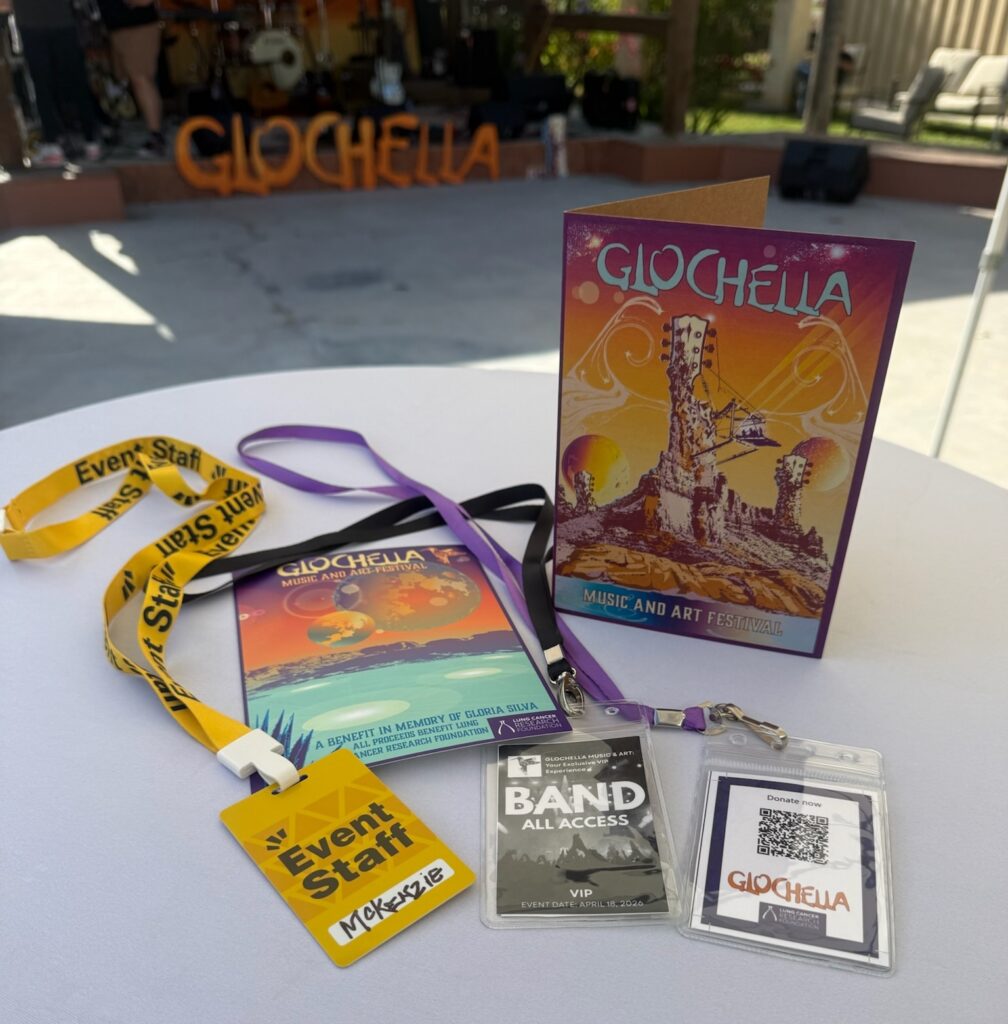
On April 18, 2026, something truly special happened in Imperial, CA. What began as a family gathering grew into an unforgettable night of music, art, and community, all in honor of a woman whose legacy continues to inspire.

The Glochella Music and Art Festival was more than an event. It was a tribute, a celebration, and a powerful reminder of what is possible when people come together with purpose.

A legacy of love and strength

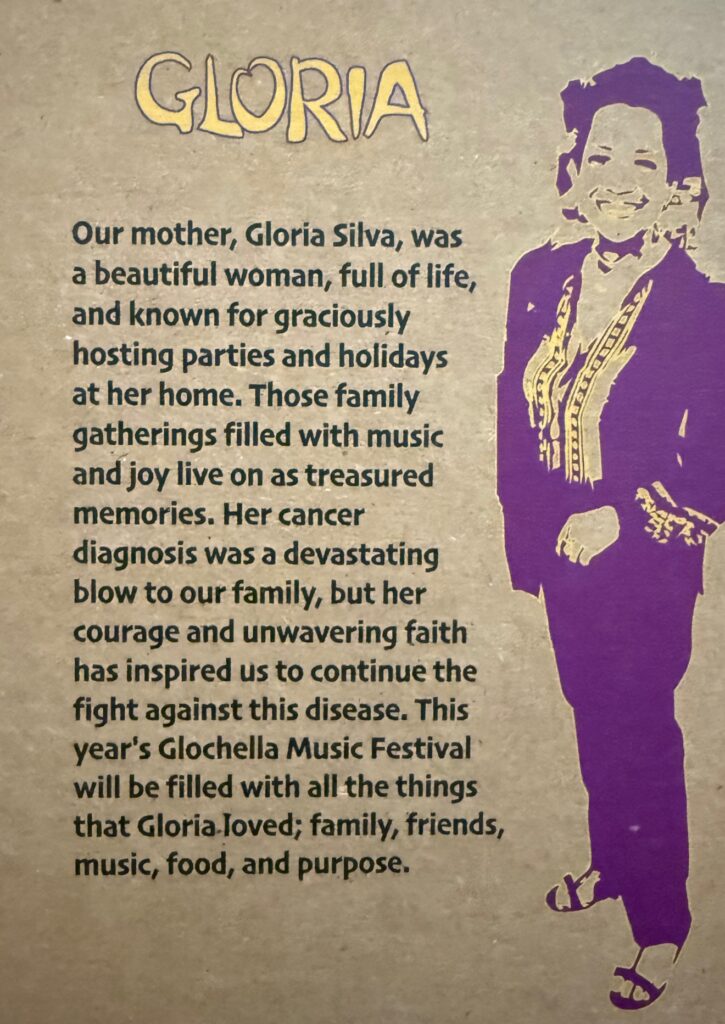
Glochella was created in memory of Gloria Silva, a beloved mother and the heart of her family. Gloria was diagnosed with stage 4 non-small cell lung cancer in 2017 and passed away in 2021.

Her family shares:

“She had a high quality of life for most of those four years thanks to new drugs and treatments… Our family wants to contribute what we can so that other patients and families can have more time, and eventually, a cure.”

Gloria was known for opening her home and filling it with music, laughter, and togetherness. Those moments did not end with her passing. They became the foundation for something new.

“Those family gatherings filled with music and joy live on as treasured memories… Her courage and unwavering faith has inspired us to continue the fight against this disease.”

From backyard gathering to community movement

Glochella first began in 2022 as part of a milestone birthday celebration. Even then, it made an impact, raising $14,000 for lung cancer research.

This year, it grew into something even bigger.

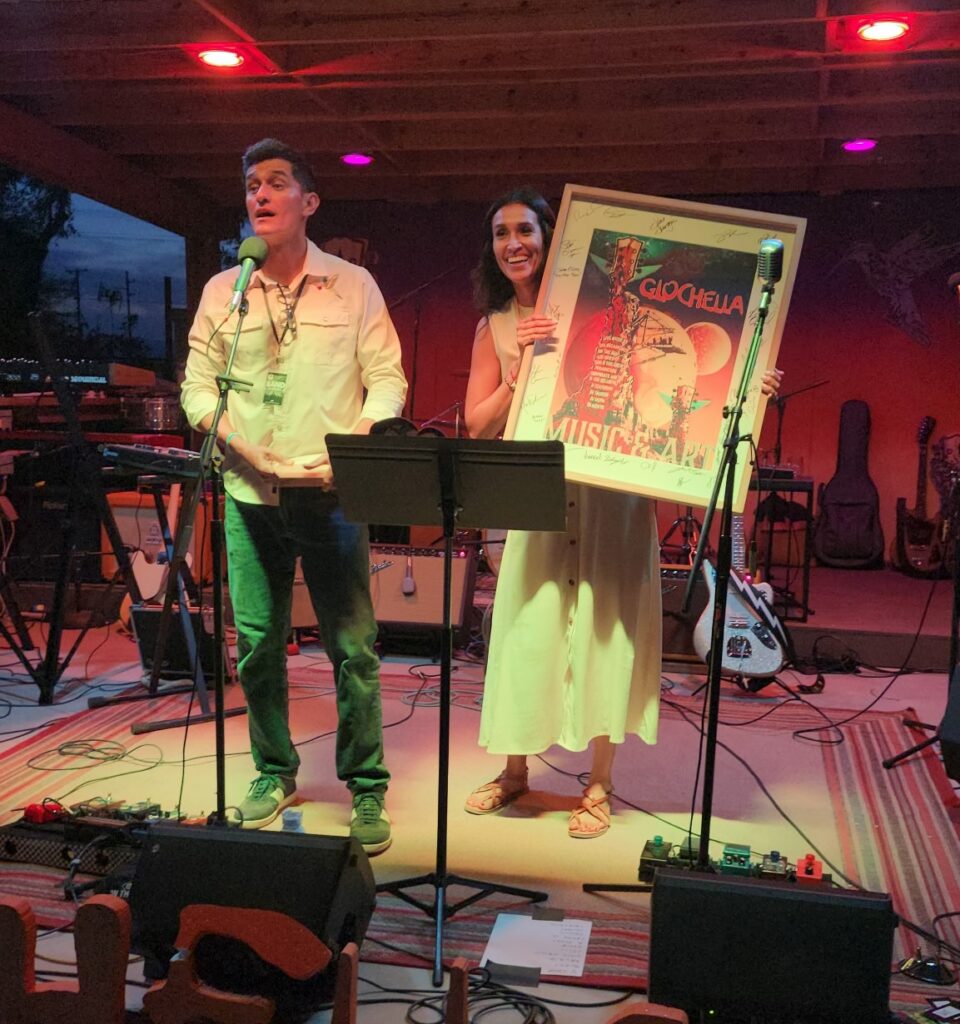
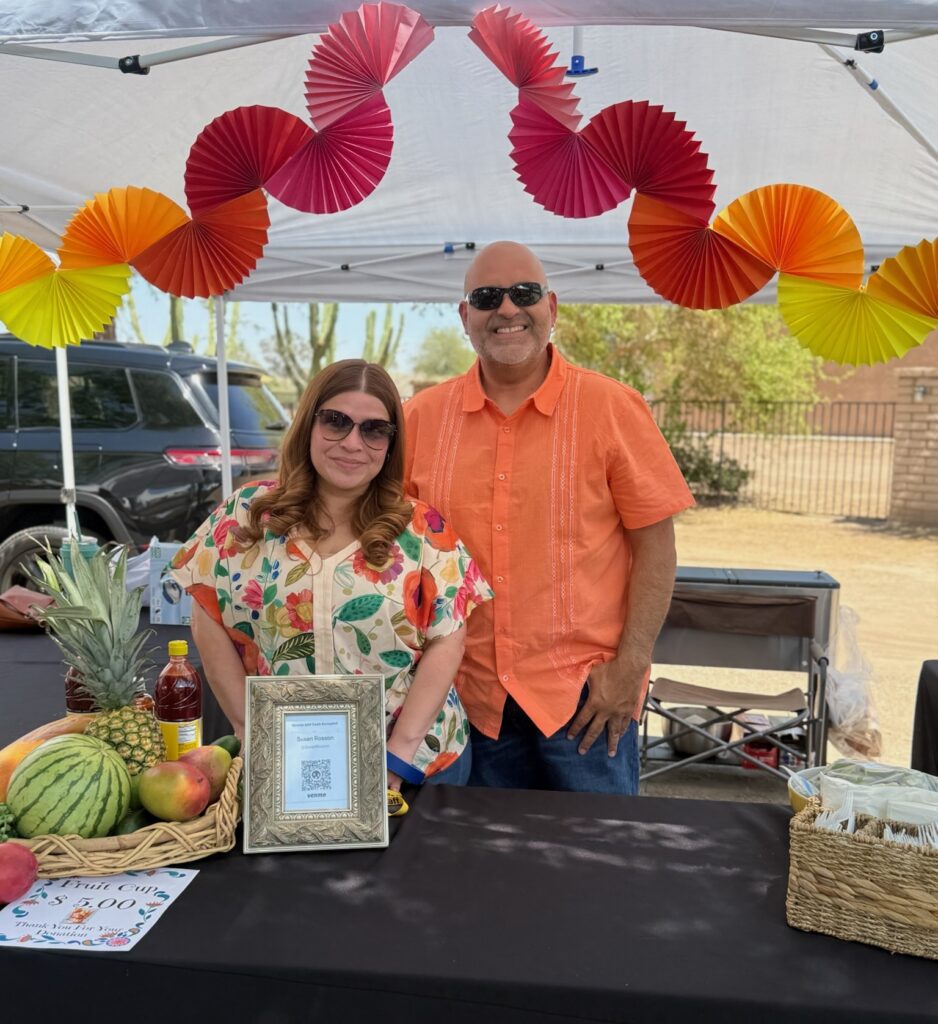
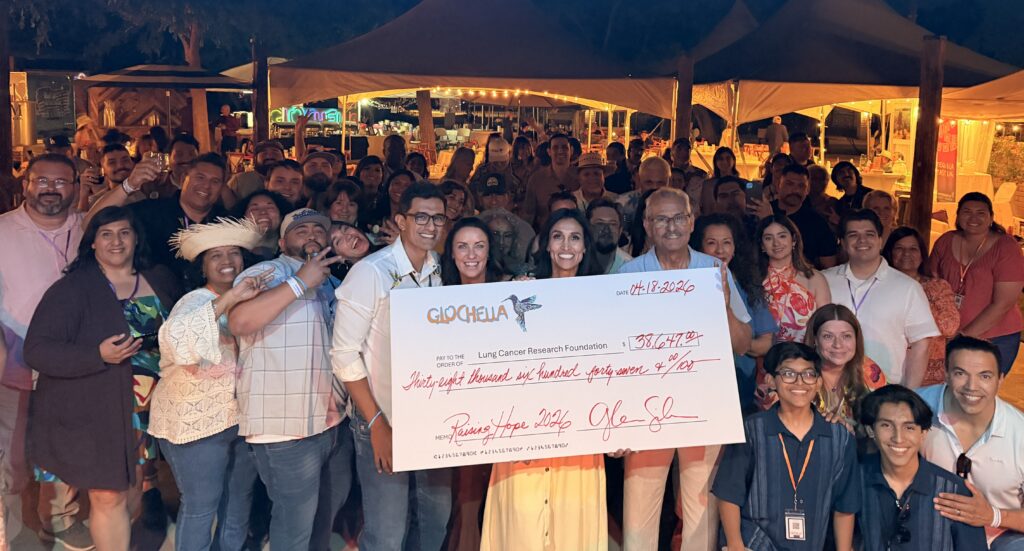
Held at the family home, the 2026 festival welcomed over 200 guests, including friends, family, and community members who all came together to support the cause. The event featured five bands across two stages, food booths, a live and silent auction, and original artwork created and donated by family members. Attendees made donations directly to their LCRF fundraising page prior to the event and additional funds were raised during the auctions.

What stands out most is not just what was planned, but how the community showed up.

“Everyone we approached was eager to help… Our entire family, friends and community came together.”

Some of the most meaningful parts of the day were both thoughtfully planned and beautifully unexpected.

The family shared that they observed a moment of silence before the auction in remembrance of all those lost to cancer. However, there was lots of fun to be had which was true as some of the younger kids got to join in with the band on stage for a few songs.

By the end of the event, they had raised nearly double their goal.

A community rooted in hope

At its core, Glochella carried a simple and powerful message: “Research is the key… to giving patients and their families more time and hope.”

That belief is what brought everyone together and continues to drive their efforts. When asked what hope looks like, their answer was clear: “New treatments, new breakthroughs, new understanding.”

Glochella was created through a shared love, memory, and a desire to help others facing the same fight, friends and family came together in a way that made a real and lasting impact.

For anyone wondering if they can make a difference, this family has a message:

“Don’t underestimate the power of collective giving. When a group of people, no matter their means, comes together, they can truly make a meaningful impact.”

When reflecting on the experience, one moment stood above the rest:

“The best part… was how it brought our entire family closer together. How it kept Mom’s spirit and legacy alive in an effort to give hope to others.”

One word to describe it?

“Emotional. In the best way possible.”

And at the heart of it all:

“Fundraising for lung cancer research means… hope.”

Inspired to create your own event?

Events like Glochella show just how powerful community can be. If you have ever thought about hosting your own fundraiser, please reach out to us!

Whether it is a backyard gathering, a game or tournament, something tapping into your artistic side, a milestone celebration, or something completely unique, every fundraiser (big or small!) has the power to make a difference.

If you are interested in planning a Your Way fundraiser, we would love to support you. Our team is here to help you bring your idea to life, provide guidance along the way, and make sure your efforts have the greatest possible impact.

Email events@LCRF.org to get started. Together, we can turn your idea into hope for families facing lung cancer.

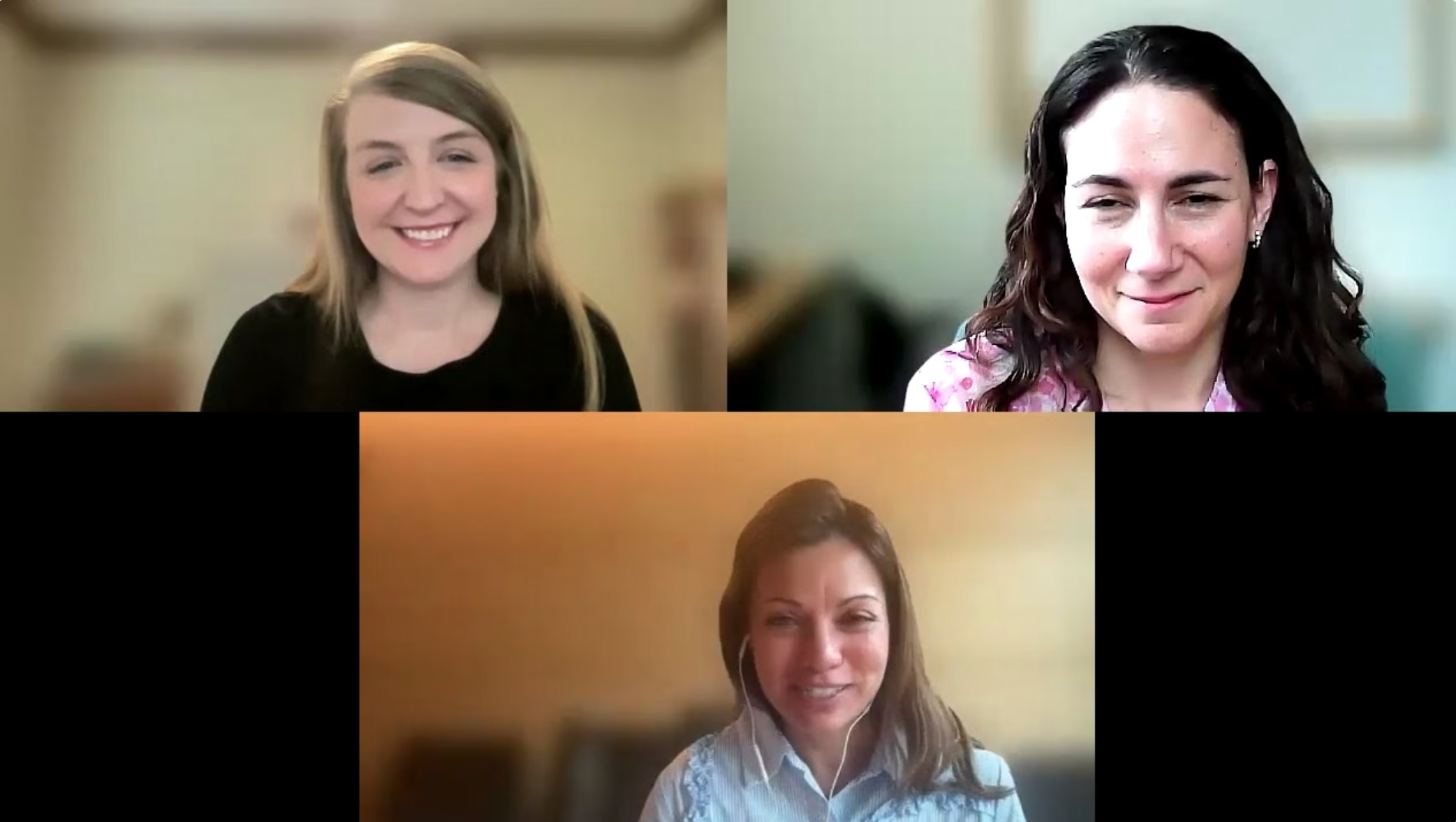
A special edition of Together Separately, presented by LCRF and the Susan Wojcicki Foundation, explored what heritable genetics — separate from tumor testing — can tell us about lung cancer, and how patients are helping to drive the next generation of research.

Joining moderator Isabel Preeshagul, DO, MBS were:

  • Sandip Patel, MD, UC San Diego Health
  • Janet Freeman-Daily, Co-Founder & President, The ROS1ders
  • Marc Muskavitch, Board of Directors, ALK Positive

Watch the recording below.

LCRF hosted its 5th annual Together Chicago dinner and discussion on April 14 in Evanston, IL. The event for patients, caregivers, and others who care about lung cancer drew a record-breaking number of registrants, with about 60 people in attendance.

Dr. Christine Bestvina, UChicago Medicine, and Dr. Frank Weinberg, University of Illinois Cancer Center, offered their insights on the state of lung cancer research and treatment. Jill Feldman, co-founder of EGFR Resisters, rounded out the panel. Stacey Bowers, LCRF Vice President, Mission, was the moderator for the discussion.

From left: Stacey Bowers, Jill Feldman, Dr. Bestvina, and Dr. Weinberg

The group agreed there is much to be excited about in lung cancer treatment.

Dr. Bestvina spoke about developments in KRAS treatment. While first-generation KRAS G12C inhibitors are a good option, next-generation theoretical inhibitors are showing much better efficacy. “And very importantly, we can combine them with immunotherapy safely to try to move these drugs up into the front line. So I do think there’s going to be a huge revolution for KRAS in the next five years.”

Dr Weinberg noted it’s not just G12C, but other mutations. “We’re going to have to start understanding exactly what kind of mutation you have, because there are all these agents coming out. And that is exciting for these folks that traditionally haven’t had a lot of options.”

Small cell lung cancer

The panel also acknowledged the changing field of small cell lung cancer (SCLC) treatment. New medications are changing outcomes for patients with SCLC, earlier in treatment. Antibody drug conjugates are showing efficacy in studies.

“I think what we’re learning in small cell is that the immune system really is important for outcomes. And that’s exciting.”

Dr. Bestvina added that the way brain metastasis is treated is also changing. “I still occasionally see patients as second opinions who have been recommended for whole brain therapy for a single brain met, or even total brain radiation. We’re really moved away from that as the standard. If anybody has been recommended whole brain for their small cell, I absolutely would recommend a second opinion to make sure that’s appropriate for that clinical scenario.”

Recognizing caregivers

Dr. Weinberg mentioned that a former patient’s caregiver and friends were in attendance, and spoke about how much they had taught him.

“The caregiver is central to the entire treatment process for a patient. Because the caregiver is a person who is listening when the patient can’t listen…the caregiver is the person that’s there 24/7 when the physician, nurse, and medical team isn’t there.”

“That relationship is so important – we learn a lot, not only during the treatment but after. We learn how to be a better physician going forward. It’s so important to have those sort of relationships and really support the caregiver.”

Jill Feldman agreed. “I was a caregiver-slash-loved-one before I was a patient. And in many ways, it’s harder being that caregiver, because you are still paying bills, taking care of kids or elderly family, and you’re taking off work, and you’re worried about that patient, and you don’t really know how they’re feeling. It’s a lot. I do think it is important for the clinician to be involved.”

What research means

Each panelist spoke about the importance of research.

As a patient, Jill says, “my goal is to bring the lived experience into research and to make sure that it’s both meaningful and scientifically rigorous. Ultimately, I look at it as our most powerful tool. It’s our lifeline, our future, the future of our children and the next generation. And the true value of research for patients and families is hope – hope to live longer, and hope to live better.”

Dr. Bestvina pointed out that research is allowing patients access to drugs earlier on in their treatment. “Allowing improved efficacy of drugs as well as decreased toxicity for patients through clinical trials is the most important part of my research.”

Dr. Weinberg added, “Everything that we use is because of previous research. Look where we’ve come. The science embodies survivorship. It’s exciting.”

“What it means to me is hope. There’s hope. There’s hope for living longer. There’s hope for a cure.”

Team led by John Heymach, MD, PhD receives $1.5 million grant

NEW YORK, NY (May 12, 2026) – The Lung Cancer Research Foundation (LCRF) announces the first recipients of its LCRF | Boehringer Ingelheim Team Science Award on Innovative Therapeutic Strategies to Understand and Treat Lung Cancers Harboring HER2 Mutations. The project, “Integrated molecular, structural and clinical studies to characterize and develop therapeutic approaches for tyrosine kinase inhibitor resistance and drug tolerant persister cells (DTPCs) in HER2 mutant non-small cell lung cancer (NSCLC)” was made possible by a research collaboration with Boehringer Ingelheim.

John Heymach, MD, PhD, will be the lead investigator on this project. Dr. Heymach is Professor, Thoracic/Head and Neck Medical Oncology and Chief, Section of Thoracic Medical Oncology at University of Texas MD Anderson Cancer Center. Joining him on the team is his colleague, Samir M. Hanash, MD, PhD, Professor, Department of Clinical Cancer Prevention- Research and Department of Molecular Pathology at University of Texas MD Anderson Cancer Center, Michael Eck, MD, PhD, Professor of Biological Chemistry and Molecular Pharmacology at Harvard Medical School, John W. Lawson, PhD, Computational Materials Group Leader at NASA Ames Research Center, and Heidi Greulich, PhD, Senior Group Leader, Institute Scientist at Broad Institute of MIT and Harvard.

Lung cancer is the leading cause of cancer-related death worldwide. A subset of patients with non–small cell lung cancer (NSCLC) have tumors driven by mutations in a gene called HER2. While recent approvals of HER2-targeted tyrosine kinase inhibitors (TKIs) have represented major progress, most patients eventually relapse because their tumors develop resistance to their current treatment. The team’s project seeks to understand why resistance occurs and to develop new strategies to overcome it, with the goal of delivering more lasting and effective treatments for patients with HER2-mutant lung cancer.

Lung cancers harboring HER2 mutations represent one of the most challenging subsets of oncogene-driven non–small cell lung cancers (NSCLC) to treat. Despite recent approvals of HER2-directed tyrosine kinase inhibitors (TKIs) and antibody–drug conjugates (ADCs), therapeutic benefit is often transient. Patients with HER2 mutated lung cancer often stop responding to treatment for two related reasons: the cancer’s HER2 protein changes shape so the drug can no longer attach to it, and the cancer finds entirely new ways to survive that don’t involve HER2 at all. Tackling both problems at once requires scientists from multiple fields, including drug design, cell biology, computer modeling, and immunology, to work together.

The research team brings together investigators with complementary expertise to systematically address these challenges in two distinct projects, utilizing the latest technological advances, including AI, in an innovative approach. The first project will apply deep mutational scanning, structural biology, and computational modeling to comprehensively define resistance mutations within HER2 and develop a predictive structure of TKI response to HER2 primary and resistance mutations.  The second project will comprehensively characterize the landscape of HER2-independent resistance to HER2 TKIs and develop novel cellular therapies and T-cell engagers against drug-tolerant persister cells (DTPCs) and drug resistance cells (DRCs). This will identify candidate therapeutic targets and test efficacy of therapies which, if promising, could move into a phase 1 clinical trial.

“By analyzing tumor models and patient samples from before treatment, during minimal residual disease and at the point of resistance, we will be able to identify changes in gene expression, cell identity, and cell surface proteins,” says Dr. Heymach. “The resulting data will then be tested, and if the approaches work well in the lab and animal studies, the results will directly support a doctor-led clinical study, which will get us that much closer to additional options for patients whose tumors harbor HER2 mutations.”

“These projects represent the best kind of collaboration between laboratory and computational science,” remarked Antoinette Wozniak, MD, FASCO, Chief Scientific Officer for LCRF. “The hope is to arrive at viable answers more quickly, and these investigators are among the best in their fields.”

“We’re proud to support research through collaborations that help advance new approaches for some of the hardest-to-treat cancers and address areas of significant unmet need,” said Emmanuelle Clerisme-Beaty, Medical Director US, SVP Medicine at Boehringer Ingelheim. “By working together, we can help accelerate progress in cancer research, and we congratulate the Team Science grant recipients for the important work they are leading to improve patient outcomes now and in the future.”

To learn more about this award and the project, visit LCRF.org/2025her2teamscience.

# # #

About the Lung Cancer Research Foundation (LCRF)
The Lung Cancer Research Foundation® (LCRF) is the leading nonprofit organization focused on funding innovative, high-reward research with the potential to extend survival and improve quality of life for people with lung cancer. LCRF’s mission is to improve lung cancer outcomes by funding research for the prevention, diagnosis, treatment, and cure of lung cancer. To date, LCRF has funded 450 research grants, totaling nearly $53 million, the highest amount provided by a nonprofit organization dedicated to funding lung cancer research. For more information about the LCRF grant program and funding opportunities, visit LCRF.org/research.

Contact:
LUNG CANCER RESEARCH FOUNDATION (LCRF)
Sheila Sullivan
Sr. Director, Marketing & Communications
marketing@LCRF.org

By Dhru Deb, PhD
Senior Director, Research and Administration, LCRF


I wrote this article in response to a request from Enrico Peretti of Milan, Italy, who recently reached out to us with a deeply personal question about research progress in KRAS-mutant non-small cell lung cancer (NSCLC).

“Good evening, thanks for your page, which is really informative. Can you kindly post more often about research advancement or news in NSCLC KRAS mutation, and especially pG12C? My mom passed away last October due to this specific cancer, so I am particularly eager to research advances in this context. Also, as far as I know—please correct me if I am wrong—this is one of the most diffuse lung cancers; however, the conversation is usually polarized towards EGFR and ALK.”

Enrico’s words reflect a reality faced by many families: the search for answers often comes too late for someone they love. His question—what progress is being made, and why does it matter—goes to the heart of why research exists in the first place.

KRAS mutations are among the most common drivers of lung adenocarcinoma. Yet for decades, they were also among the most frustrating. Scientists were aware of and  they understood its role in fueling cancer growth, but they could not effectively target it. For patients, that gap between knowledge and treatment meant limited options—and limited hope.

Today, that reality is changing.

Building the scientific foundation

The progress now reaching patients did not begin with a breakthrough drug. It began years earlier, with fundamental questions about KRAS biology and the willingness to pursue the research to answer them.

In the mid-2000s, Lung Cancer Research Foundation (LCRF) mediated visionary donors’ intentions of supporting research to understand how KRAS mutations drive lung cancer and how these tumors might be detected and treated more precisely. At the time, this work was exploratory—far from guaranteed to succeed and not yet tied to a clear therapeutic path.

At Stanford University, Dr. Alejandro Sweet-Cordero mapped KRAS signaling pathways, helping to reveal how these tumors survive and grow. At UC Davis, Dr. Philip Mack explored detecting mutations in circulating tumor DNA—early steps toward what we now know as liquid biopsy, a tool that allows clinicians to identify actionable mutations through a simple blood test.

At Memorial Sloan Kettering Cancer Center, Drs. Yixuan Gong and Marc Ladanyi advanced genomic profiling, helping to establish comprehensive molecular testing as a standard of care. This ensured that patients could be matched with the most appropriate therapies based on the biology of their disease.

Other investigators tackled equally critical questions: how KRAS-driven tumors interact with the immune system, how they resist treatment, and how they respond to radiation. Together, these efforts formed a foundation—one that, at the time, may have seemed incremental, but ultimately proved transformative.

From discovery to direct treatment

For decades, KRAS was often described as “undruggable.” That perception shaped expectations for patients and clinicians alike.

After years of persistence across the scientific community, drugs were finally developed to target a specific version of KRAS mutations called G12C, and these treatments made it into the clinic.

The CodeBreaK100 trial evaluating sotorasib and the KRYSTAL-1 trial evaluating adagrasib demonstrated meaningful clinical activity in patients with previously treated KRAS G12C–mutant cancers. The results of both trials were published in the New England Journal of Medicine leading to FDA approvals of sotorasib and adagrasib as second line therapies. For the first time, patients had therapies designed to directly target the molecular driver of their disease.

The arc of progress also reflects the growth and continued leadership of investigators supported earlier in their careers. In 2007, Dr. Pasi Jänne received LCRF’s Hope Now Award for research that contributed to the broader understanding of oncogene-driven lung cancer. Years later, he would serve as one of the investigators on the KRYSTAL-1 trial, helping to bring adagrasib to patients with KRAS G12C–mutant disease.

Similarly, Dr. Timothy Burns, previously funded by LCRF for a different project, served as an investigator in the CodeBreaK100 trial. His role in evaluating sotorasib reflects how investment in talented investigators strengthens the clinical research enterprise as a whole.

When I reached out to congratulate Tim, he replied –

“It was truly gratifying to be involved with the early phase clinical trial that led to the approval of the first targeted therapy for KRAS-mutant lung cancer after many years of investigators including myself working on trials for these patients that were unsuccessful. It has been truly rewarding to be able to treat my patients with a KRAS-mutant NSCLC with these agents.”

For families like Enrico’s, these advances can feel bittersweet—arriving after loss, yet offering hope that others may face a different outcome.

These therapies did not emerge in isolation. They were built on decades of biological insight—insight made possible, in part, by early-stage research funding. Investigators supported early in their careers have gone on to lead pivotal clinical trials, translating discovery into treatment. What begins as a high-risk research question can, over time, become a therapy that changes lives.

Facing the next challenge: resistance

Progress in cancer research is rarely linear. Each breakthrough reveals new challenges.

While KRAS G12C inhibitors have changed the treatment landscape, many tumors do not respond to treatment or eventually develop resistance resulting in disease progression.

Addressing this problem has become one of the field’s most urgent priorities.

Through the IASLC-LCRF Team Science Award, researchers including Drs. David Barbie, Aaron Hata, Eric Smith, Shunsuke Kitajima, and Pasi Jänne are working to understand and eliminate these drug-tolerant persister cells. Their approach reflects a shift in strategy: not only targeting KRAS directly, but also engaging the immune system to eradicate residual disease.

This convergence—targeted therapy combined with immunotherapy—represents a critical step toward more durable responses, and potentially, long-term remission.

In fact, olomorasib, a newer KRAS G12C drug, has shown promise in combination with immunotherapy, pembrolizumab, as a potential first-line treatment—an important step toward moving targeted therapies earlier in the course of disease, when they may have the greatest impact.

After reading the promising results published in the Journal of Thoracic Oncology, I reached out to the lead author, Dr. Timothy Burns. He said-

“The study demonstrated we could safely and efficaciously combine newer KRAS G12C inhibitors (olomorasib) with immunotherapy. The future for patients diagnosed with KRAS-mutant NSCLC is bright.”

This is a reminder of the unique role of research investment: to act as a bridge between what is known and what is possible. For patients and families, that bridge can mean the difference between having options—or not.

Expanding the frontier: new KRAS targets and new possibilities

The first KRAS G12C inhibitors were a historic breakthrough.

A new wave of therapies is now building on that progress, recognizing that KRAS-driven cancers are diverse and require tailored approaches.

In early 2026, zoldonrasib received FDA Breakthrough Therapy designation for advanced non–small cell lung cancer driven by a specific KRAS mutation called G12D—one of the most common and hardest-to-treat forms of this gene. G12D refers to a small change in the KRAS protein that keeps it stuck in an “on” position, helping cancer grow. This drug was designed as a potential first-of-its-kind treatment that targets KRAS while it’s active. Other experimental drugs, including D3S-001 and elironrasib, are being studied to help overcome resistance and keep working even after earlier treatments stop being effective.

Together, these advances mark a shift from proving KRAS can be targeted to refining how, when, and for whom these therapies work—offering patients and families a rapidly expanding set of possibilities.

For families still waiting

Enrico’s question—why more attention isn’t always given to KRAS, despite its prevalence—is an important one. Historically, the lack of effective targeted therapies meant less progress. Today, that is changing, as scientific research results in the advancement of cancer treatment.

But the deeper truth behind his message is this: progress matters most when it reaches patients in time.

This is one of the motivations of Dr. Lyudmila Bazhenova, an investigator in the KRYSTAL-1 trial, and a member of LCRF’s Education & Engagement Committee. This committee ensures LCRF delivers relevant, helpful educational content that meets the needs of the lung cancer community and is readily accessible to inform and empower individuals throughout their journey.

The advances in KRAS-mutant lung cancer are real and meaningful. They are already improving outcomes for many patients. And yet, there is more to do—to overcome resistance, to expand treatment options, and ultimately, to move closer to cures.
For every family searching for answers today, the work continues with urgency and purpose.
Because behind every scientific question is a human one.

And behind every investment in research is the possibility of changing what families like Enrico’s experience in the future.


This article originally appeared on LinkedIn.

The good news

The U.S. Food and Drug Administration (FDA) has granted accelerated approval to zongertinib for the treatment of adult patients with metastatic non-squamous non-small cell lung cancer (NSCLC) whose tumors have HER2 (ERBB2) mutations. This is the first oral tyrosine kinase inhibitor (TKI) that has been approved for the initial treatment of HER2 mutated NSCLC.

Why it’s important

Alterations in the HER2 gene have been associated with the development and spread of cancer. HER2 mutations occur in about 2-4% of patients with NSCLC. Zongertinib is an oral TKI that specifically targets HER2. We highlighted this drug in a Science Made Simple less than a year ago. It was previously approved to treat HER2 mutated NSCLC after previous treatment with chemotherapy and is now approved for the first-line treatment of this disease. Zongertinib was evaluated in the Beamion LUNG-1 (NCT04886804) trial which included 72 untreated patients with advanced NSCLC with HER2 mutations. The response rate was 76% and nearly 50% of patients had control of their disease for 12 months or longer.

What it means for patients

Zongertinib represents a large step forward in the treatment of NSCLC patients with HER2 mutations with its approval as initial treatment. As with most TKI treatment options, there are potential side effects and precautions. The prescribing information includes warnings and precautions for liver and cardiac toxicity as well as interstitial lung disease/pneumonitis, and embryo-fetal toxicity. Since this is an accelerated FDA approval there will be more trials that will be performed to confirm the effectiveness of the drug.

What to look for

In the future, we could see the evaluation of zongertinib in combination with other agents such as chemotherapy. It is also important to remember that the drug is unlikely to be a cure for these patients and that there is still an urgent need to continue research efforts to determine why cancer cells are or become resistant to treatment. Expect that the development of novel drugs for this type of lung cancer will continue in the future.

Our experts for LCRF’s April livestream joined moderator Isabel Preeshagul, DO, MBS, to discuss the nuances and complexities of younger people receiving and navigating a lung cancer diagnosis.

  • Eric Singhi, MD, MD Anderson Cancer Center
  • Laura Petrillo, MD, Massachusetts General Hospital / Harvard Medical School
  • Leah Phillips, Co-Founder and Executive Director, Young Lung Cancer Initiative
  • Shira Boehler, lung cancer survivor, author, and advocate
  • Michael Blackstone, patient with EGFR+ lung cancer

Watch the recording below.

Special thanks to our sponsors:

Bristol Myers Squibb

AbbVie
Boehringer Ingelheim
Eisai

Teams led by Kwok-Kin Wong, MD, PhD and Matthew Meyerson, MD, PhD receive $1.5 million grant

NEW YORK, NY (April 14, 2026) – The Lung Cancer Research Foundation (LCRF) announces the first recipients of its LCRF Team Science Award on Advancing Therapies Toward Curing EGFR Mutated Lung Cancers. The project, “A novel therapeutic combination strategy to eradicate EGFR-mutant cancer persisters” was selected for this award, made possible by a generous private donation from Benay and Steven Taub.

Kwok-Kin Wong, MD, PhD, will be the Principal Investigator (PI) overseeing both of the teams’ projects and act as lead on Project 1. Dr. Wong is Anne Murnick Cogan and David H. Cogan Professor of Oncology at the Perlmutter Cancer Center and New York University Grossman School of Medicine. Leading Project 2 is Matthew Meyerson, MD, PhD, Professor of Genetics and Medicine at Harvard Medical School and the Charles A. Dana Chair in Human Genetics at Dana-Farber Cancer Institute. Both Dr. Wong and Dr. Meyerson are renowned figures in EGFR-mutant lung cancer research. Joining the effort are Lior Golomb, PhD in the Meyerson Lab on Project 1; with Elaine Shum, MD, Assistant Professor in the Department of Medicine at New York University Grossman School of Medicine, and Director of Cancer Screening Programs and Jiehui Deng, PhD, Research Assistant Professor in the New York University Langone Health Department of Medicine as co-investigators on Project 2. Rounding out the investigative team are Deborah Markow, lung cancer patient advocate, and Kristen Labbe, MPH, as project coordinator.

Lung cancer is the leading cause of cancer death worldwide. A common subtype, lung adenocarcinoma (LUAD), frequently carries mutations in the epidermal growth factor receptor (EGFR) gene occurring in about 10% of lung cancers in people of European or African ancestry and up to 45% in those of East Asian ancestry. Oral drugs called tyrosine kinase inhibitors (TKIs), such as osimertinib, target these mutations and have significantly improved patient outcomes, yet median survival remains only around 39 months as nearly all advanced-stage patients relapse due to drug resistance.

Resistance can arise through several mechanisms: additional EGFR mutations that block drug binding, activation of bypass signaling pathways, or cellular transformation into small-cell or squamous-cell lung cancer. However, in nearly half of relapsed patients, the cause remains unidentified, making these “hidden” resistance mechanisms one of the greatest ongoing challenges in treating EGFR-mutant lung cancer.

Dr. Wong and Dr. Meyerson’s research teams have identified a gene, which when deactivated, made cancer cells more sensitive to osimertinib and prevented them from entering a state of drug resistance. Their work will be divided into two projects: Project 1 will test drug combinations in mouse models that closely replicate human lung cancer to learn about the biological and disease impacts of these combinations and how they function in the cancer cells. Project 2 will assess the tested drug combinations in the clinic and its impact on human lung cancer, with a plan to launch a phase II clinical trial in patients with high-risk EGFR-mutant non-small cell lung cancer (NSCLC).

“We aim to prevent resistance before it begins,” says Dr. Wong. “Rather than allowing the cancer to form new escape routes and then trying to block them one by one, our strategy is to begin treatment with a combination therapy that can kill more cancer cells from the start, reducing the chance that any resistant cells can develop. We believe this approach can lead to deeper, more durable responses and ultimately help patients live longer.”

Dr. Meyerson adds, “If we can identify a combination therapy that heads off resistance and allows better quality of life for people whose tumors harbor EGFR mutations, then we are one step closer to curing this type of lung cancer. That’s incredibly exciting.”

“This research project has several promising aims that could change how EGFR-mutant lung cancer is treated,” remarked Antoinette Wozniak, MD, FASCO, Chief Scientific Officer for LCRF. “That the work will result in a phase II clinical trial speaks to the novel and accelerated approach the investigators are taking. Being able to deliver additional options to people before they experience treatment resistance is an important step in increasing survival.”

LCRF funded early-career work by Drs. Wong and Meyerson that helped launch the field of targeted therapy in lung cancer. In the early 2000s, Dr. Meyerson’s team discovered EGFR mutations in lung cancer: foundational work that shaped genome analysis, clinical trials, and today’s treatments for oncogenic-driven cancers. He also received two legacy organization awards from LCRF: the 2011 Caine Halter Hope Now Award, and a 2004 award for his project titled “Novel Human Lung Cancer Gene Discovery,” ultimately identifying 93 alterations and advancing multiple clinical trials. This Team Science Award unites these two renowned researchers in continued pursuit of a cure for EGFR-mutant lung cancer.

To learn more about this award and the project, visit LCRF.org/CurrentResearch.

# # #

About the Lung Cancer Research Foundation (LCRF)
The Lung Cancer Research Foundation® (LCRF) is the leading nonprofit organization focused on funding innovative, high-reward research with the potential to extend survival and improve quality of life for people with lung cancer. LCRF’s mission is to improve lung cancer outcomes by funding research for the prevention, diagnosis, treatment, and cure of lung cancer. To date, LCRF has funded 450 research grants, totaling nearly $53 million, the highest amount provided by a nonprofit organization dedicated to funding lung cancer research. For more information about the LCRF grant program and funding opportunities, visit LCRF.org/research.

Contact:
LUNG CANCER RESEARCH FOUNDATION (LCRF)
Sheila Sullivan
Sr. Director, Marketing & Communications
ssullivan@lcrf.org