Enter your search term above.

News

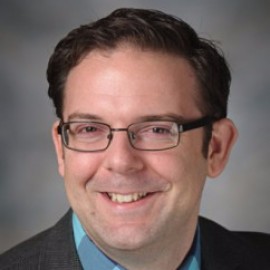
NEW YORK, August 31, 2017— The Lung Cancer Research Foundation (LCRF) is pleased to announce the election of Brendon M. Stiles, MD as the new chair of its Board of Directors. LCRF is a nonprofit organization focused on supporting lung cancer research, the number one cause of cancer death worldwide. Its mission is to improve and save lives by funding groundbreaking research for the prevention, diagnosis, treatment and cure of lung cancer.

“It’s truly an honor to be elected as the chair of LCRF’s Board of Directors,” said Dr. Stiles. “Each LCRF board member has been personally affected by lung cancer. It’s inspiring to be among this group of individuals who are so committed to fighting this deadly disease.”

Dr. Stiles has been involved with LCRF for several years. In July 2014, he became a member of LCRF’s Medical Advisory Board, during which time he reviewed and assessed grant applications to LCRF’s Scientific Grant Program. In September 2015, Dr. Stiles became the vice chair of LCRF’s Scientific Advisory Board and a member of LCRF’s Scientific Steering Committee. During this time, Dr. Stiles played an instrumental role in helping to not only review individual grant applications, but also to set the priorities and overall strategic direction of LCRF’s Scientific Grant Program.

“There has been tremendous progress in the field of lung cancer research. As a former LCRF grantee, I know first-hand the impact and reach of LCRF’s funding,” said Dr. Stiles. “The face of lung cancer is changing. Due to research in both early and late stage disease, we now have survivors to tell the story. I’m looking forward to continuing this momentum.”

Dr. Stiles succeeds Pippa G. Gerard, who is a founding LCRF board member and served as board chair from 2013-2017. “I’m so proud of the work that LCRF has accomplished thus far, and there is no better individual than Dr. Stiles to take on the role of board chair,” said Ms. Gerard.

In addition to his work with LCRF, Dr. Stiles is a thoracic surgeon at New York-Presbyterian/Weill Cornell Medical Center, Associate Professor of Cardiothoracic Surgery at Weill Cornell Medicine, and is a lung cancer researcher and advocate for lung cancer patients.

“Dr. Stiles has so much passion and enthusiasm not just for our organization, but for the lung cancer community as a whole,” said Nancy M. Sanford, Executive Director, LCRF. “This is a very exciting time for LCRF and I am confident that we will continue to make great progress under Dr. Stiles’ leadership.”

Dr. Stiles will serve a two-year term as LCRF’s board chair, effective September 1, 2017.

# # #

About the Lung Cancer Research Foundation
The Lung Cancer Research Foundation (LCRF) is a nonprofit organization focused on supporting lung cancer research. LCRF’s mission is to improve and save lives by funding groundbreaking research for the prevention, diagnosis, treatment and cure of lung cancer. To date, LCRF has provided nearly 300 grants, totaling $23 million to 90 institutions around the world for critical lung cancer research.

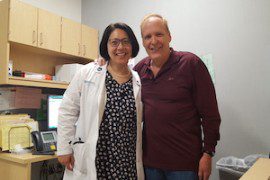
William A. (Bill) Schrul passed away on December 15, 2020 at the age of 64, either and a half years after being diagnosed with lung cancer.


August 2017

On June 13, 2012, I found out I had stage 4 lung cancer with an EGFR mutation. Originally, doctors thought I had an infectious disease as well, but that wasn’t the case. So I started on Tarceva, a targeted therapy, which I stayed on for a year and a half.

At that point, my oncologist recommended entering a clinical trial. I had tremendous confidence in her, and once we met with the team at Mass General, I knew we’d made the right move. From that trial, I moved to the expanded access program for AZD-Tagrisso. A month later, Tagrisso got FDA approval, and I’ve continued to take that drug for two years now.

But lung cancer wasn’t my only challenge. I wound up having my gall bladder removed in May 2014, and in early 2015, I needed cataract surgery on both eyes due to side effects of a trial medication.

Through all of this, my wife Teri has been my biggest supporter. She keeps track of all my doctor visits and makes sure that she understands everything my medical staff explains – many times, my mind is off in different directions, and I don’t catch what they are saying. Teri stays on top of my medications and keeps me on schedule with all my prescriptions.

I can’t say enough great things about how Teri has handled my diagnosis. She keeps me going by being positive, and she keeps me on an even keel during the challenging times. I also get tremendous encouragement from my family. I want to be around for them, so I keep positive and strong wanting to give them back the love and support they’ve shown for me.

What also gave me hope was the progress we saw after going into the clinical trial. My scans showed excellent improvement, and my everyday health seemed to reflect that. My medical team continued to inspire me, and I cannot say enough kind words about how they have treated me. They are always upbeat, always full of positivity.

My biggest advice for those who are on this path is to find a medical team you believe in. You have to truly believe they will do whatever it takes for you to succeed. They need to be aware of cutting-edge medicine and be open to moving you into a clinical trial if warranted.

Also, stay strong mentally as well as physically. Don’t lose hope. Remember that every day you fight is another day closer to new medications being discovered. Lung cancer treatment has dramatically changed in the five years since I was diagnosed, and there are numerous potential drugs in the pipeline.

I’m glad to be part of this organization, which has done so much to support lung cancer research. I’ve been involved in the Northern New Jersey Free to Breathe walk since a few months after my initial diagnosis. In 2014, I gave the keynote speech at the event. My family and I have done every annual walk in the years since, raising thousands of dollars in the process.

Getting involved helped me turn something negative – my lung cancer – into positive action. I want to show others that you can live with this disease. For me, walking sends a message of strength and hope.

Marlene Nadler-Moodie passed away on March 9, 2021. Marlene was a nationally distinguished leader in the field of psychiatric nursing and was dedicated to helping others who were dealing with a cancer diagnosis.


August 2016

I was diagnosed with stage 3B non-small cell adenocarcinoma in June of 2012 after visiting the doctor for a dry cough. I was blindsided because I felt healthy, exercised daily and was an avid traveler. Lung cancer was not on my radar.

Since then, my treatment has been ongoing. Initially, I had two cycles of IV chemotherapy and two cycles of oral chemotherapy, combined with 7 ½ weeks of daily radiation. My second line of treatment was Tarceva, which I was on until switching to Opdivo. I recently participated in a clinical trial, but it was not successful for me. I just began another round of chemotherapy and will go through a few cycles and then another CT scan to see if my condition is stabilizing.

Fortunately, I have had very few side effects throughout treatment and have continued to work. Maintaining my usual busy lifestyle has been important to me. I am a clinical nurse specialist in psychiatric nursing and completed a 3-year term as President of the American Psychiatric Nurses Association. I’m still focused on travel, and have traveled with my family out of the country more than 15 times in the four years since my diagnosis.

Life has been good. I have a fervent desire to live each day as fully as possible, staying as healthy as I can. Managing all the tests, treatments, and side effects while trying to live “normally” is my constant challenge.

I have been blessed with a great support system. First has been my wonderful husband, who although quite shocked and saddened by my diagnosis, has been a constant partner. My sons and their significant others, friends and colleagues have also been a strong source of support. I am also grateful for my wonderful physician, Scott Godfrey. He is my oncologist at Kaiser and has been my treatment ally from day one.

To others facing lung cancer, I’d say that there are a number of new treatments arriving and there is a rush to discover more. It’s important to know that a cancer diagnosis is not an immediate death sentence. You may do well with the treatment options available. Learn the most you can about your disease, be proactive, try everything, and keep yourself healthy and busy. Do what you love. Try something new. Do not spend each day dying – spend it living!

Shortly after I was diagnosed four years ago, I looked for ways to get involved. I was disturbed by the lack of research dollars for lung cancer, which is related to the unfortunate stigma associated with the disease. I found out that there was a Free to Breathe walk here in San Diego and quickly got involved. My team is Marlene’s Wish and I’m proud to have been a fundraising “winner” in some of the past years. It’s important to me to raise money and awareness for lung cancer research.

As a post-doctoral fellow at the University of Texas’ MD Anderson Cancer Center, Dr. Warren L. Denning has had his fair share of opportunities to work with some of the world’s leading cancer researchers. Dr. Denning, a 2014 LCRF Grant awardee, also received the prestigious LCRF Scientific Merit Award. The award is given to the researcher who achieves the highest overall merit score as determined by the Lung Cancer Research Foundation (LCRF) Medical Advisory Board. Dr. Denning follows in the footsteps of colleague, Dr. Faye Johnson, the 2013 LCRF Scientific Merit Award winner.

Quick Facts

Name: Warren L. Denning, PhD

Institution: University of Texas MD Anderson Cancer Center

Education: BS, University of Tennessee, Knoxville
PhD, University of Alabama, Birmingham

Research Focus: Small Cell Lung Cancer (SCLC)

As a post-doctoral fellow at the University of Texas’ MD Anderson Cancer Center, Dr. Warren L. Denning has had his fair share of opportunities to work with some of the world’s leading cancer researchers. Dr. Denning, a 2014 LCRF Grant awardee, also received the prestigious LCRF Scientific Merit Award. The award is given to the researcher who achieves the highest overall merit score as determined by the Lung Cancer Research Foundation (LCRF) Medical Advisory Board. Dr. Denning follows in the footsteps of colleague, Dr. Faye Johnson, the 2013 LCRF Scientific Merit Award winner.

Dr. Denning’s LCRF funded project, entitled, ‘CAR Modified T Cells as a Novel Immunotherapy to Eliminate Lung Cancer,’ will attempt to develop a novel way to treat small cell lung cancer (SCLC) by modifying a patient’s own immune system. Specifically, Dr. Denning and his team hope to engineer a patient’s T cell with a receptor to recognize and eliminate the tumor by binding to a specific surface protein. Essentially, the research project is looking to give the immune system ‘eyes’ to better detect, bind to, and eliminate cancer cells.

From early in his career, Dr. Denning has been interested and involved with cancer research. But it wasn’t until his time as a post-doctoral fellow that he focused his attention on lung cancer.

“Given the size and diversity of people lung cancer affects, it is an important area for research not only because different treatments have developed to suit so many different patients, but also because lung cancer can arise due to many different factors,” Denning said. “I believe understanding that factor of diversity will also help inform treatments for other cancer types as well.”

Dr. Denning celebrated Lung Cancer Awareness Month at the Foundation’s Ninth Annual Lung Cancer Awareness Luncheon earlier this month in New York City. At the event, Dr. Denning accepted the Merit Award and praised the LCRF’s great work in funding critical lung cancer research.

“The award of this grant is a firm step toward my development as an independent researcher,” Denning told an audience of more than 300 supporters. “All LCRF grants represent an opportunity to turn good ideas into good therapies, a chance to make the ephemeral actual, and bring a part of the future into the present – and that is powerful.”

Dr. Denning is one of 20 recipients of $1 million in lung cancer research funding. All applications for grants are reviewed by the LCRF’s esteemed Medical Advisory Board and approved by Board of Directors.

For more information about the LCRF Research Grant Program, please click here.

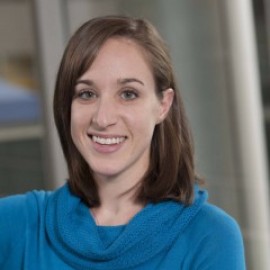
Ms. Miles, a recipient of a 2014 LCRF Research Grant, is a current PhD student at Johns Hopkins University in Baltimore, MD. She is currently completing her program studies at Memorial Sloan Kettering Cancer Center (MSKCC) in New York City, one of the most esteemed cancer centers in the world.

Quick Facts

Name: Linde Miles

Institution: Memorial Sloan Kettering Cancer Center

Education: BS, Penn State University
PhD Candidate, Johns Hopkins University

Research Focus: Small Cell Lung Cancer (SCLC)

Ms. Miles, a recipient of a 2014 LCRF Research Grant, is a current PhD student at Johns Hopkins University in Baltimore, MD. She is currently completing her program studies at Memorial Sloan Kettering Cancer Center (MSKCC) in New York City, one of the most esteemed cancer centers in the world.

After losing her grandfather to small cell lung cancer, Ms. Miles grew particularly interested in cancer research. She majored in biochemistry/molecular biology during her undergraduate studies at Penn State University, and ultimately became drawn to the discovery and characterization of new and effective therapies that could help patients.

“When I started rotations during my doctoral studies at Johns Hopkins, the lung cancer research occurring really piqued my interest,” Miles said. “The lab was taking bench research and translating them directly into the clinic. I was able to join the lab and really have the opportunity to focus on a cancer that had affected my family personally.”

The lab she is referring to is led by none other than Dr. Charles M. Rudin, Chief of Thoracic Oncology Service at MSKCC and member of the LCRF Medical Advisory Board. Dr. Rudin, who also was the keynote speaker at the Ninth Annual Lung Cancer Awareness Luncheon earlier this month, has been a mentor to many, including Ms. Miles.

“Dr. Rudin encourages his students to really become independent researchers, guiding and managing our projects,” she said.

Ms. Miles’ LCRF funded study focuses around a virus that selectively infects and kills small cell lung cancer (SCLC) cells while sparing normal cells. The goal of the project is to identify the proteins important in viral infection using two complimentary techniques which create cells with gene knockout and subsequently protein knockouts of every gene in the human genome. After the generation of these cells, any cells that have a gene knockout occurring in protein that is essential for the virus to enter the cell will now be resistant to and survive infection by the virus. Once she and her team is able to identify the genes responsible, they can characterize the proteins important for viral infection and ultimately identify biomarkers on a patient’s tumor that will determine if the patient will benefit from virotherapy.

Lung cancer is the most deadly cause of cancer death and the second most common form of cancer in both men and women, yet it remains significantly underfunded. Researchers like Ms. Miles depend on private funding from organizations like the LCRF to allow their work to continue.

“Funding allows researchers to continue ongoing projects, follow-up on new discoveries or observations, and even start new and exciting projects from scratch,” Ms. Miles said.

Ms. Miles’ project was selected from a pool of over 100 applicants, many of whom have years of research under their belts, including both doctoral and medical degrees. As a graduate student, Ms. Miles is grateful to the LCRF for offering one of few opportunities to apply for funding.

“I was looking forward to applying for funding from the LCRF as it was one of very few opportunities for graduate students to apply directly for funding for their own research projects,” she said. “I knew that these grant applications were very competitive and researchers with all levels of experience would be applying. It is such a great honor to have my grant awarded funding among all of the other exceptional grants.”

Ms. Miles is one of 20 recipients of $1 million in lung cancer research funding. All applications for grants are reviewed by the LCRF’s esteemed Medical Advisory Board and approved by Board of Directors.

For more information about the LCRF Research Grant Program, please click here.

NEW YORK (November 12, 2014): The Lung Cancer Research Foundation (LCRF) strongly supports the recent proposal issued by The Centers for Medicare and Medicaid Services to begin covering lung cancer screening tests for high risk patients.

Lung cancer kills nearly 160,000 Americans each year and claims more lives than any other cancer. Although survival rates have increased over the years, lung cancer remains so deadly in part because of the lack of early screening and prevention.

A recent major research study concluded that low-dose CT screenings for individuals at high- risk have the potential to dramatically increase lung cancer survival rates. This proposal offers coverage to certain high-risk Medicare recipients up to the age of 74. To be eligible, Medicare patients would be current smokers or have quit within the last 15 years, and have a 30-pack-per-year smoking history.

“Research continues to provide us with groundbreaking strategies for improving care and outcomes,” said LCRF Board of Directors Chairman, Pippa Gerard. “We applaud the collective efforts of the government and the lung cancer community for pushing this forward, especially during Lung Cancer Awareness Month. This continued progress has the potential to save thousands of lives.”

Dr. Jim Dougherty, Chair of the LCRF Medical Advisory Board, echoed support for the proposed coverage. “Low dose CT scans for high risk patients is a critical step in reducing mortality from the disease.”

According to the Associated Press, the proposal is open for public comment for 30 days and would not become final until February. However, such draft decisions are rarely reversed and public health experts do not expect any changes to the main elements.

For more information and to read the complete NY Times press release, please click here.

On September 21, 2014, The New York Times featured “A Cancer Battle We Can Win,” by Andrea McKee and Andrew Salner, in The Opinion Pages, bringing national attention to lung cancer.

Dr. McKee is the chairwomen of the department of radiation oncology at Lahey Hospital and Medical Center in Peabody, MA. Dr. Andrew Salner is the radiation oncology chief at Hartford Hospital.

Below is the complete article.


A Cancer Battle We Can Win
By Andrea McKee and Andrew Salner
NY Times – September 21, 2014

THE war against cancer can be confusing, with providers, insurers and policy makers debating the effectiveness of treatments, prevention programs and research. But there is one significant victory within our grasp. There is, increasingly, a consensus that CT screening for lung cancer can save thousands of lives each year.

Lung cancer, the No. 1 cancer killer, claims the lives of approximately 435 people in the United States every day. In fact, more women die of lung cancer each year than breast, ovarian and uterine cancers combined. While lung cancer is curable with surgery in its early stages, most people are given diagnoses of lung cancer after symptoms develop, when the disease is often advanced and resistant to treatment.

Now, however, there is good evidence that we can reduce the number of people who die of this devastating disease. A recent study called the National Lung Screening Trial proved that we do that by using a low-dose CT scan to detect early stage lung cancer. The study showed that in older people, both current and former heavy smokers, annual screening reduced the number of deaths from lung cancer by 20 percent.

Dozens of medical organizations, including the United States Preventive Services Task Force, now recommend CT lung screening for high-risk individuals. Approximately nine million Americans meet the task force’s criteria for high risk: current smokers between 55 and 80 who have smoked, on average, at least one pack of cigarettes a day for 30 years, or former smokers in that age range who smoked that much and quit within the last 15 years. The recommendation carries significant weight. And the screenings will be more affordable for those who want them because the Affordable Care Act requires that all private insurers cover CT lung screening for those at high risk with no co-pay, starting in January 2015.

By November of this year, the federal agency that administers Medicare will decide whether it should provide CT lung screening coverage for the Medicare beneficiaries at high risk, estimated to be between three and four million people. Since a CT lung screening exam can cost several hundred dollars, that coverage would ensure that millions of high-risk Americans over 65 would get lifesaving intervention regardless of income level.

Many hospitals have started successful CT lung screening programs. Lahey Hospital and Medical Center in Burlington, Mass., has offered CT lung screening since January 2012. We provide the exam free to all qualified high-risk individuals. Over the past two and half years we have screened more than 2,500 men and women and have detected more than 40 cases of lung cancer. Three out of four of these lung cancers have been Stage I, the most curable stage of the disease.

CT lung screening is also offered free at several Connecticut hospitals in the Hartford HealthCare system. The hospitals range from a large, urban 867-bed academic medical center to a small, 144-bed hospital serving a more rural population. Over the last 10 months, this diverse group of hospitals has performed more than 600 CT lung screening exams with early results matching those of the national trial.

We can achieve a solid win against cancer. CT lung screening for high-risk populations, with high quality standards, is ready for prime time. The government should move quickly to cover this lifesaving intervention for Medicare users.

NEW YORK, AUGUST 14, 2014 – LCRF funded researcher, James Welsh of The University of Texas MD Anderson Cancer Center, was part of novel research study that may lead to therapeutic strategies for the treatment of lung cancer in the future.

Welsh received a $50,000 grant from LCRF in 2010 for his project entitled, “Developing a New Method of Reducing Resistance to Lung Cancer Therapy.” Other project sponsors included the National Cancer Institute (NCI), the family of M. Adnan Hamed, and the Orr Family Foundation to MD Anderson’s Cancer Center’s Thoracic Radiation Oncology program.

This study focused on therapeutic resistance, especially in lung cancer patients. Resistance to current treatment types is the primary factor that limits the effectiveness of therapies for solid tumors, including lung cancer. This concept is particularly common for overcoming resistance to ionizing radiation, which is currently the only potentially curative nonsurgical approach for solid tumors, including nonsmall cell lung cancer (NSCLC).

Current treatment for NSCLC often leads to resistance and reoccurrence of the disease. In an attempt to improve outcomes in such cases, Welsh and the team studied agents that target signaling pathways that mediate treatment resistance.

Prior research has revealed that the loss of miR-200c enhances the aggressiveness of cancer and metastasis and that the replacement of miR-200c inhibits cell growth in several types of tumors, including lung cancer. In this particular study, the team sought to investigate the outcome of the overexpression of the increase miR-200c molecule.

Their findings revealed that the miR-200c overexpression increased cellular radiosensitivity in lung cancer. The antitumor effects of miR-200c, they found, result partially from its regulation of the oxidative stress response. This suggests that micR-200c, in combination with radiation, may represent a therapeutic strategy for the future.

To read more about this study and its findings, please click here.

The LCRF is dedicated to supporting research on innovative strategies for better treatments, screening, and prevention of all cancers of the lung. Our goal is to fund promising scientific and clinical research initiatives that will lead to more positive outcomes and improved quality of like for all lung cancer patients. We commend Dr. Welsh and his colleagues for their work and believe that we are making strides to combat this deadly disease.

Reprinted from the Pathways, Spring 2014. Pathways is LCRF’s Semi-Annual Newsletter.

by Peter B. Bach, MD, MAPP
Memorial Sloan-Kettering Cancer Center, New York, NY

In November 2010, the National Lung Screening Trial (NLST) announced results which identified a 20% relative reduction in lung cancer mortality from screening for lung cancer with low-dose computed tomography (LDCT) compared to Chest radiograph. These results, from a large and well-designed randomized controlled trial (RCT), prompted professional societies to advocate the use of LDCT screening in high risk populations. (1-4) Late last year the United States Preventive Services Task Force (USPSTF) added to this growing body of recommendations. (5)

The USPSTF is an independent group of experts funded and appointed by the federal government which evaluates preventive services. Since 2008 Medicare has been able to cover new preventive services that receive A or B grades from the USPSTF. In 2010, the Affordable Care Act (ACA) mandated the coverage of USPSTF A or B graded services by most private insurance plans and removed coinsurance for Medicare covered services. (6) In light of this expanded role, the processes used by the Task Force to develop their recommendations are of increased importance.

The USPSTF bases its grading system on a service’s expected net benefit and the certainty of that benefit. A potential weakness of this strategy is that it treats the net benefit determination as constant throughout the population. Even within the NLST eligible population there is a wide range of expected net-benefit from LDCT screening. A recent study has suggested that the number of false positive results per prevented lung cancer death (a measure of net-benefit) from LDCT screening varied 25-fold between low and high risk NLST participants. (7) A more nuanced set of recommendations would assign different grades to these high and low risk individuals.

Following several guidelines released by professional societies, the USPSTF also recommended screening for a group not studied in the NLST, 75-80 year olds with a substantial smoking history. The USPSTF relied on disease state models to provide evidence for this recommendation, extrapolating the NLST results to older individuals. Such extrapolation is considered to be lower quality evidence than RCTs or observational studies, implying that the certainty of the net benefit in this population is also lower. Ideally the grading of the recommendation to screen 75-80 year olds would reflect this.

There is strong evidence that LDCT screening for lung cancer is beneficial for individuals at high risk of developing the disease. However, this benefit will vary significantly from person to person. Despite largely following previous guidelines, the USPSTF’s recommendation lacks the parsimony necessary to communicate this critical point.

_____________________________________________________________________

References

1. Bach PB, Mirkin JN, Oliver TK, Azzoli CG, Berry DA, Brawley OW, et al. Benefits and harms of CT screening for lung cancer: a systematic review. JAMA. 2012;307(22):2418-29.
2. Jaklitsch MT, Jacobson FL, Austin JH, Field JK, Jett JR, Keshavjee S, et al. The American Association for Thoracic Surgery guidelines for lung cancer screening using low-dose computed tomography scans for lung cancer survivors and other high-risk groups. J Thorac Cardiovasc Surg. 2012;144(1):33-8.
3. Wender R, Fontham ET, Barrera E, Jr., Colditz GA, Church TR, Ettinger DS, et al. American Cancer Society lung cancer screening guidelines. CA Cancer J Clin. 2013;63(2):107-17.
4. Wood DE, Eapen GA, Ettinger DS, Hou L, Jackman D, Kazerooni E, et al. Lung cancer screening. J Natl Compr Canc Netw. 2012;10(2):240-65.
5. Moyer VA. Screening for Lung Cancer: U.S. Preventive Services Task Force Recommendation Statement. Ann Intern Med. 2013.
6. Bach PB. Raising the Bar for the U.S. Preventive Services Task Force. Ann Intern Med. 2013.
7. Kovalchik SA, Tammemagi M, Berg CD, Caporaso NE, Riley TL, Korch M, et al. Targeting of low-dose CT screening according to the risk of lung-cancer death. N Engl J Med. 2013;369(3):245-54.

Knowledge about the genetic mutations that cause tumors is offering the first real promise of drugs that can control lung cancer.

Medical Advisory Board Member and 2007 LCRF grantee Roy Herbst, MD, PhD, is quoted in a Wall Street Journal article that discusses how knowledge about the genetic mutations that cause tumors is offering the first real promise of drugs that can control lung cancer. LCRF has funded many studies to support the study of targeted therapies. Read the full article here.