Enter your search term above.

News

Actor, activist, and author teams up with LCRF to increase awareness of lung cancer and honor Dr. Brendon M. Stiles for his service to the foundation and the lung cancer community

NEW YORK, NY (September 21, 2022) – Annabelle Gurwitch, who was diagnosed with Stage IV EGFR non-small cell lung cancer when she went in for a COVID-19 test in 2020, will emcee Lung Cancer Research Foundation’s (LCRF) 2022 Evening of Innovation Gala on September 28, honoring Dr. Brendon M. Stiles. Ms. Gurwitch recently shared opening remarks at the opening plenary session of International Association for the Study of Lung Cancer (IASLC) World Conference on Lung Cancer in Vienna, Austria.

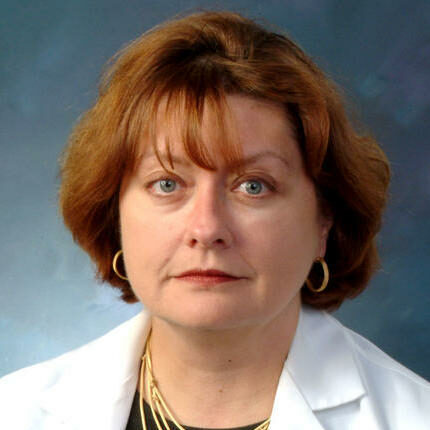
Dr. Brendon Stiles

Dr. Stiles serves as LCRF’s Vice Chair for its Board of Directors and Scientific Advisory Board and is Professor and Chief, Thoracic Surgery and Surgical Oncology, Department of Cardiothoracic & Vascular Surgery at Montefiore-Einstein, and the Associate Director for Surgical Services in the Montefiore-Einstein Cancer Center. He is actively involved in both clinical and translational research, particularly focusing on lung cancer. His clinical research concentrates on the management of early stage or screen detected lung cancer and on novel multidisciplinary treatment strategies for patients with lung cancer. Having lost his own father to lung cancer in 2005, Dr. Stiles is committed to raising money for lung cancer research, serving as chair of the LCRF from 2017-2021.

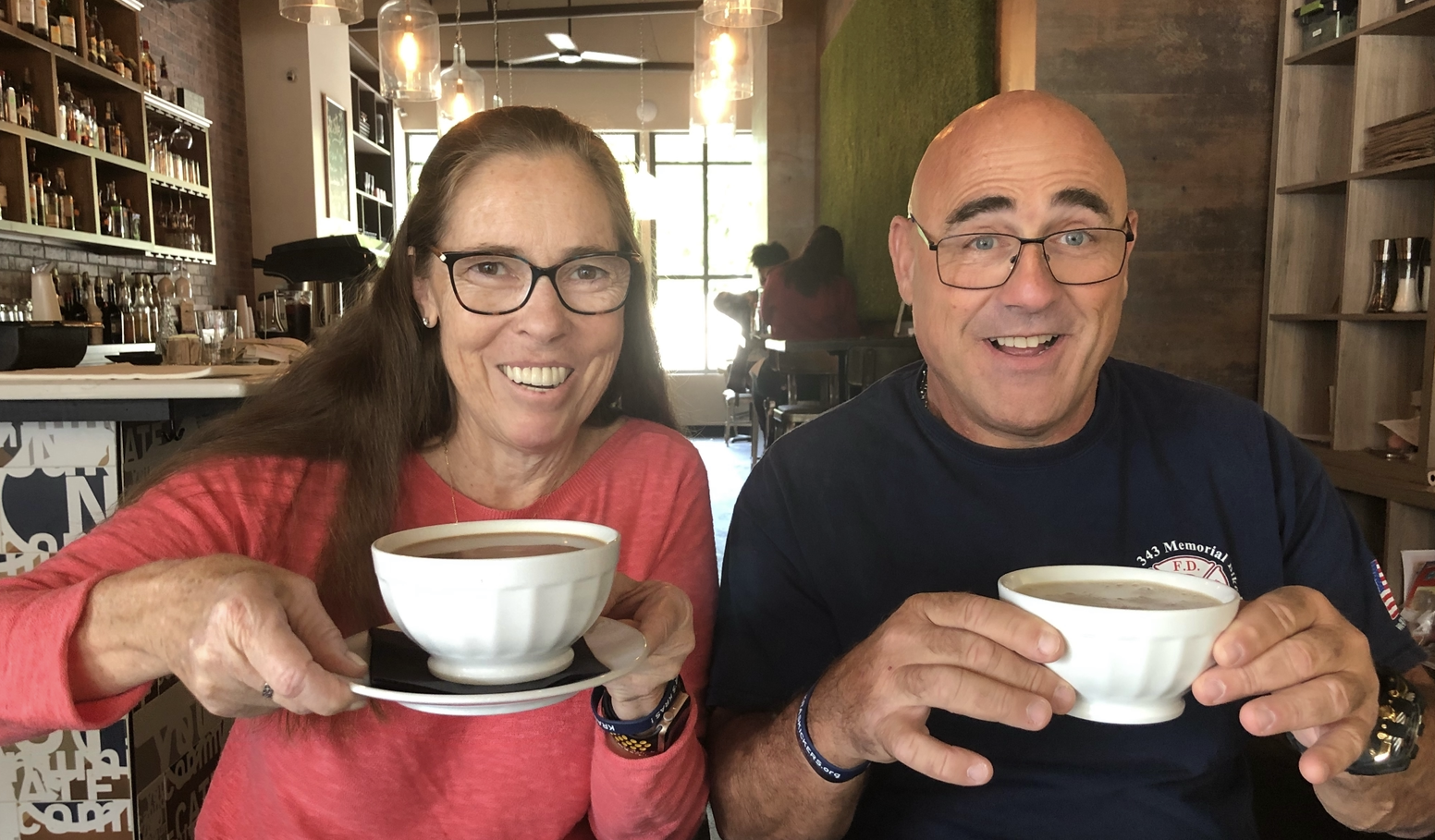
Annabelle Gurwitch

Ms. Gurwitch is approaching her 2-year “cancerversary” and has been on a targeted therapy since her diagnosis, about which she has mixed feelings. She shared this personal statement with LCRF:

“My second “cancerversary” is coming up this fall, marking 2 years on a biomarker targeted therapy after being diagnosed with Stage IV lung cancer during a routine COVID test. The biomarker targeted therapy has allowed me to continue living with a great quality of life and few side effects. Yes, I once was so overcome with fatigue that I had to lay down on a sidewalk to rest before I could make it the less than one mile from my home and I now drink more coffee than you’d think humanly possible, but there is a caveat: lung cancer is a particularly wily cancer. The cancer figures out how to develop resistance to even these new innovative gene targeted medications.

So, I want to help spread the message that researchers, scientists, and doctors who have dedicated their lives to finding new and innovative ways to identify and treat lung cancer – like Dr. Brendon Stiles – are close to understanding and countering this resistance to treatments. The difference in new advancements comes down to funding. Here’s some perspective:

  • Lung cancer is still the neglected middle child of cancers overshadowed by breast and colon, both in diagnostic testing and fundraising efforts, even though more people will die of lung cancer than breast and colon cancer, combined.
  • Per related death, spending: $1,680 for lung cancer research compared to $24,846 for breast cancer.

For me, there’s a ticking clock. My oncologist hasn’t had a patient get more than 5 years on the medication I am now taking. The next line of treatment won’t be as easy to tolerate, will impact my quality of life and, once progression starts, the clock is ticking even faster.  I hope to see the resistance overcome; I hope the advancements come in time for me. I’m the mother of a 24-year-old who graduated college during a COVID lockdown, and I want to be around to see them get established, continue to thrive, and (fingers crossed) get to see some grandchildren! But even if the advancement doesn’t come in time for me, I’m determined to see that the next person who receives a diagnosis like mine has a better chance at long term survival.”

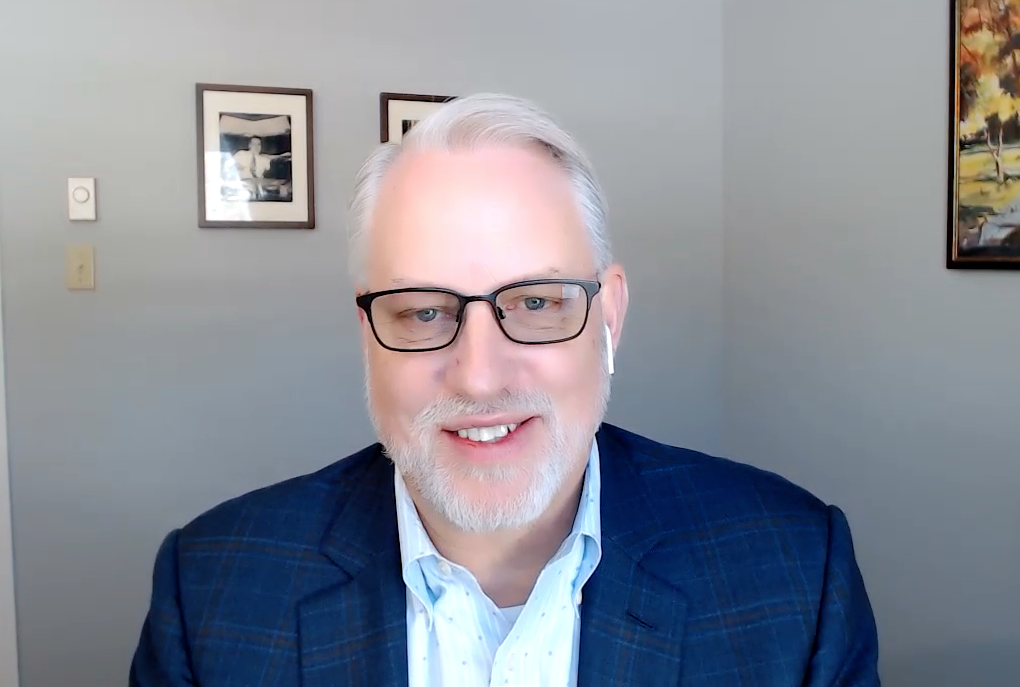
Dr. David Hidalgo

In addition to honoring the career and contributions of Dr. Stiles, LCRF will honor Dr. David Hidalgo with its inaugural Founder’s Award. The Founders Award honors individuals who make significant contributions to LCRF and exemplify the spirit and ideals of the founders of the organization.

“We’re so pleased to be honoring both Dr. Stiles and Dr. Hidalgo at this event,” said Reina Honts, chair of LCRF’s Board of Directors. “Dr. Stiles’ personal and professional contribution to lung cancer patients and his commitment to accelerating lung cancer research is immeasurable. We are indebted to Dr. Hidalgo’s long-standing support of lung cancer research and the mission of LCRF. It is my pleasure to recognize them both for their contributions.”           

LCRF’s Evening of Innovation Gala is sponsored in part by Bristol Myers Squibb. Supporters of lung cancer research can learn more about the event, which will be held on September 28 at the Metropolitan Club in New York City, by visiting LCRF.org/gala.

###

About Annabelle Gurwitch:

Annabelle Gurwitch is a New York Times bestselling author of five books, including her most recent collection of essays, You’re Leaving When? Adventures in Downward Mobility (paperback, spring 2022) a New York Times’ Favorite Book for Healthy Living 2021.  Ms. Gurwitch was the longtime host of Dinner & a Movie on TBS, a regular NPR contributor, and has written for The New Yorker, New York Times, The Washington Post, Hadassah Magazine, O Magazine, and The Wall Street Journal, amongst other publications. She co-hosts the Tiny Victories podcast on the Maximum Fun Podcast Network, and recently published an article in the Washington Post titled “Tackling cancer while battling the insurance system.”

Ms. Gurwitch has been an activist for numerous causes including environmental sustainability and housing insecurity. In the Spring of 2020, a routine Covid test led to diagnosis of Stage IV non-small cell lung cancer. Ms. Gurwitch wrote about the diagnosis in a widely shared op-ed, “Covid Saved my Life” in the New York Times. Since then, she’s spoken and written about living with lung cancer on Good Morning America, and in interviews on Salon.com, NPR, and numerous other media outlets. Her most recent cancer chronicle was the viral op-ed “The End of my Life was Killing Me” in the Washington Post. Gurwitch is a dedicated atheist and a doting Jewish mother of a 20-something gender queer person. She lives in Los Angeles.

About the Lung Cancer Research Foundation (LCRF)

The Lung Cancer Research Foundation® (LCRF) is the leading nonprofit organization focused on funding innovative, high-reward research with the potential to extend survival and improve quality of life for people with lung cancer. LCRF’s mission is to improve lung cancer outcomes by funding research for the prevention, diagnosis, treatment, and cure of lung cancer. To date, LCRF has funded 394 research grants, totaling nearly $39 million, the highest amount provided by a nonprofit organization dedicated to funding lung cancer research. For more information, visit LCRF.org.

Contact:
Sheila Sullivan
Sr. Director, Marketing & Communications, LCRF

David Parks is currently cycling from Antler, North Dakota to Del Rio, Texas… a trip of roughly 1,500 miles, all while raising awareness of lung cancer and funds for research. As of Sept. 19, he has raised over $8,000!

While David is a survivor of lung cancer, he dedicates the journey to the memory of two childhood friends he has lost to this disease. Christopher “Kit” Blakemore and Warren Humble were diagnosed with lung cancer around the same time as David. “None of us smoked and we maintained high levels of physical fitness, but apparently lung cancer does not read resumes,” David said.

You can read David’s updates during the ride at LCRF.org/bluehighways2022.

Committee to steward foundation’s educational resources and outreach programs

NEW YORK, NY (September 6, 2022) – The Lung Cancer Research Foundation (LCRF) is pleased to announce the appointment of a select group of volunteers to its newly formed Education & Engagement Committee. Comprised of clinicians, researchers, patients, caregivers and advocates, this committee is tasked with ensuring that LCRF is providing educational content that is relevant, helpful, and meets the needs of the lung cancer community. In addition, it will ensure these resources are readily available to inform and empower individuals on their lung cancer journey.

The new committee grew out of LCRF’s Patient Education Review Committee, led by Dr. Narjust Florez and Dr. Joan Schiller. Dr. Isabel Preeshagul is chair of the new Education & Engagement Committee, and Drs. Florez and Schiller remain critical advisors.

“I am so pleased to see the evolution of this advisory committee,” says Dr. Schiller. “Working with Dr. Preeshagul and the LCRF staff to deliver programs and resources that meet the needs of lung cancer patients, their caregivers, and their healthcare teams is an important part of ensuring that LCRF is able to deliver on its research commitments.”

“I’m delighted to be chairing this incredible committee,” commented Dr. Preeshagul. “With Dr. Schiller’s invaluable experience and guidance, this dedicated group of volunteers will make certain that LCRF’s programs and resources are always timely, accurate, and accessible for all patients with lung cancer and those who care for them. This committee’s varied membership provides us with a diverse perspective, ensuring that we continue to deliver high quality comprehensive information. I’m excited about the positive difference we’re making in the lives of patients, caregivers, and their families through LCRF’s programs.”

“As a primary caregiver to someone with a lung cancer diagnosis, having access to resources, information, and experts in the field is important to me – and raising awareness of lung cancer without stigma even more so,” says Rhonda Meckstroth. “LCRF has been a resource for me, and I’m honored to be a part of such an important committee. I can lend my experience to help others in my shoes, and help people understand that anyone with lungs can get lung cancer.”

Members of the Education & Engagement Committee serve a two-year term and share a commitment to the mission of LCRF: to improve lung cancer outcomes by funding research for the prevention, diagnosis, treatment, and cure of lung cancer.

LCRF’s Education & Engagement Committee Members:

Isabel Preeshagul, DO, MBS
Committee Chair
Assistant Attending Physician, Thoracic Oncology
Memorial Sloan Kettering Cancer Center

Sydney Barned, MD
Survivor and Advocate
Internal Medicine Hospitalist
Anne Arundel Medical Center

Dave Bjork
Survivor and Advocate
Vice President of Empowerment
GRYT Health

Phil Bonomi, MD, MS
Professor Emeritus
Rush University Medical Center

Meghan Cox    
Advocate         

Denise D. Cutlip
Survivor and Advocate

Devika Das, MD, MSHQS
Clinical Associate Professor of Medicine, Division of Hematology and Oncology
Department of Medicine, University of Alabama at Birmingham
Section Chief of Oncology, Birmingham VA Medical Center

Narjust Florez (Duma), MD
Associate Director, Cancer Care Equity Program
Thoracic Medical Oncologist
Dana-Farber Cancer Institute, Harvard Cancer Center
Member of the Faculty, Harvard Medical School

Kathryn A. Gold, MD
Clinical Professor of Medicine  
University of California San Diego, Moores Cancer Center

Benjamin Philip Levy, MD
Clinical Director of Medical Oncology   
Johns Hopkins Sidney Kimmel Cancer Center
Associate Professor of Oncology
Johns Hopkins University School of Medicine

Stephen V. Liu, MD      
Thoracic Medical Oncologist and Associate Professor of Medicine
Georgetown University
Director of Thoracic Oncology and the Head of Developmental Therapeutics
Georgetown University Lombardi Comprehensive Cancer Center

Rhonda Meckstroth
Caregiver and Advocate

Catherine Paykin, MSSW, LCSW
Social Worker
NYU Langone Health

Jyoti D. Patel, MD
Professor of Medicine and Medical Director of Thoracic Oncology
Robert H. Lurie Comprehensive Cancer Center
Northwestern University Feinberg School of Medicine

Rachel Sanborn, MD
Medical Director, Thoracic Oncology Program
Medical Director of Phase I Clinical Trials Program
Robert W. Franz Cancer Research Center, Earle A. Chiles Research Institute at Providence Cancer Institute

Joan H. Schiller, MD     
Deputy Director, Inova Schar Cancer Center (Emeritus)
Adjunct Professor, Department of Medicine
University of Virginia

Nagashree Seetharamu, MD, MBBS      
Medical Oncologist, Thoracic and Head and Neck Oncology      
Monter Cancer Center, Northwell Health Center for Advanced Medicine
Professor, Donald and Barbara Zucker School of Medicine at Hofstra/Northwell

Christos Stavropoulos, MD, FACS          
Director of Thoracic Oncology
The Lefcourt Family Cancer Treatment and Wellness Center (Englewood Health)

Ishwaria M. Subbiah, MD, MS
Medical Oncologist
Palliative Care and Integrative Medicine Physician        
University of Texas MD Anderson Cancer Center

###

About the Lung Cancer Research Foundation (LCRF)
The Lung Cancer Research Foundation® (LCRF) is the leading nonprofit organization focused on funding innovative, high-reward research with the potential to extend survival and improve quality of life for people with lung cancer. LCRF’s mission is to improve lung cancer outcomes by funding research for the prevention, diagnosis, treatment, and cure of lung cancer. To date, LCRF has funded 394 research grants, totaling nearly $39 million, the highest amount provided by a nonprofit organization dedicated to funding lung cancer research. For more information, visit LCRF.org.

The good news:

Two pieces of good news, actually… (1) the FDA has approved a new, targeted drug for patients with HER-2 positive NSCLC: trastuzumab deruxtecan (T-DXd or Enhertu©), and (2) it has a unique mechanism of action that will open the door to a new class of drugs: antibody-drug conjugates, or ADCs.

Who it impacts:

Patients with advanced or metastatic non-small cell lung cancer for whom a first-line therapy has failed, and whose tumor harbors a mutation in HER-2 gene.

Why it’s significant:

Unlike breast cancer, HER-2 mutations are rare in non-small cell lung cancer (about 5% of all NSCLCs). Until now, there has been no drug approved for specifically targeting these mutations, as there have been for tumors with EGFR mutations, for example.

T-DXd is an antibody hooked up to a type of chemotherapy (a topoisomerase I inhibitor). When given intravenously, the antibody portion of the molecule binds to cells with a mutated HER-2 on their surface. The molecule is taken up by the cancer cell, and the linker between the antibody and the chemotherapy drug is broken, so the drug will be delivered very specifically only to cancer cells that have a mutated HER-2.

The drug was approved based up a clinical trial (DESTINY-Lung02), which reported an impressive response rate of close to 60% in these previously treated patients. This was a conditional approval, meaning that because of the exciting results, the FDA will allow T-DXd on the market. However, since DESTINY-Lung02 was a small study, the manufacturer will need to conduct a larger, confirmatory Phase 3 study to get full approval. T-DXd has been approved for breast and gastric cancers, but this is the first time an antibody-drug conjugate has been approved for the treatment of lung cancer patients, so this can also be seen as a “proof of concept” for ADCs.

Reina Honts, LCRF Board Chair, recently hosted a Shopping for a Cause event at her residence with local family and friends with funds raised going towards lung cancer research.

Her daughter, Reine, also hosted her annual Bracelets & Cookies sale! Reine and her friends, Charlotte and Bordley, raised $1,250 together for research. You go girls!

Thank you to Reina and her family for coming together and creating creative ideas to fundraise their way!

The events may have passed but there is always time to support Reina and Reine!

Emily Bannister passed away on March 14, 2023 from complications caused by Stage IV lung cancer.


Doctor surprised by diagnosis finds hope through biomarker testing

My name is Emily Bannister and I have lung cancer. I never thought in a million years that would be something that I would encounter, especially at my age – I was only 46 when I was diagnosed almost a year ago. I had just left my job in occupational medicine and was in the process of starting my own practice. My husband and I had a 6-year-old daughter and 4-year-old twins. Lung cancer was not part of the life I had pictured.

We have a really tough problem with air quality here in Minnesota in July. I didn’t really think anything of it when I had trouble breathing. But then, I started to have this really strange sort of whistling sound when I’d lie down. I was wheezing when I breathed in and out, but I heard it in my throat, not from my chest. I don’t have any history of asthma. I’m a doctor, and I had to look up wheezing while supine. The two things associated with that were GERD – acid reflux – and sleep apnea. I happen to have both, and those were my only chronic medical problems. Then on July 15, I noticed that my heart rate really went up when I went up and down the stairs while I was about to go to the Y. I got there and it turned out my trainer canceled. As I was sitting in the parking lot, I just said, no, something’s wrong. So I went to urgent care.

Of all things, that was the one day that my lung exam was abnormal – my wheezing was faint and I wasn’t coughing. They did a chest x-ray and said they thought I had right upper lobe pneumonia, which I’d had a few years earlier. I was given antibiotics but after a few days I didn’t see any response. I decided that I needed to go back because I didn’t think the antibiotics were working, and I knew other medication was available.

The doctor said, your lungs are clear, your labs are normal. I just want you to wait and see how it goes. I had a follow-up appointment two weeks later, and the standard of practice is to do another x-ray. If the x-ray was the same or worse, the doctor would order a CT scan of my lungs and refer me to pulmonary.

Feeling better but somehow worse

I was surprised when the x-ray was worse, because I was feeling somewhat better. Doctors kept telling me I didn’t look like my CT scan. My vitals, blood pressure, pulse oxygen levels – all normal. But the CT scan looked horrible. I had really enlarged lymph nodes and just all this scattered stuff all throughout my lungs. When I went to the pulmonologist the next day she told me she was confident I had sarcoidosis and ordered a bronchoscopy for the following Wednesday.

When I woke up from the bronchoscopy, the doctor said, “Expect bad news. It looks like you have cancer.” Biopsies were taken during the test. Coming home from the bronchoscopy, I was just thinking to myself, I don’t want my kids to grow up without me. That was the thought that just kept going.

I managed to convince myself the doctors got it wrong and it was sarcoidosis. But the next day, my biopsy results came back, and adenocarcinoma of the lung was everywhere that they biopsied. That was the worst moment in my life. It was so hard. I called my best friend, and I said: help my husband raise my kids. Because I knew that it was bad, really bad. I know enough about medicine to know that lung cancer is horrible.

Although my lung cancer was stage 4, it was all contained within my chest cavity. My pulmonologist advocated for me to get biomarker testing, and that’s when I learned about EGFR and the other biomarkers that can drive cancer. Again – I went to medical school and had no idea. I never heard anybody talk about a gene mutation driver for young female non-smokers.

My own support group

How I cope as a doctor is to learn everything I can – get out of my emotional state and just be reasonable, compartmentalize it. I learned that EGFR was the most common mutation with about 15% of patients with adenocarcinoma having it. No other driver mutations were present, and while I was waiting for the rest of my results I started talking online with a group of woman doctors with cancer. I started my own support group of friends on Facebook. My tumor came back positive for EGFR Exon 19, a best case scenario in this worst case scenario of having lung cancer.

My doctor told me I could take a pill once a day. I was absolutely floored and thrilled. I didn’t have to lose my hair. I didn’t have to lose my immune system. I wasn’t going to need chemo and I just couldn’t believe it.

I was over the moon, and that was the biggest boost. A few days later, I found out a clinical trial was available for me. I said, yes – anything that gives me a better chance of survival.  I saw a lung cancer specialist on August 24, and the next day was my 47th birthday. My mom assured me it wasn’t going to be my last. I was entering the trial September 1, and that’s the best birthday present I could have had.  

On August 30, my breathing was interfering with my sleep, and my watch showed my pulse oxygen was abnormal – like 89%. At 5 AM I walked into the ER and said, “I’m newly diagnosed with lung cancer, and I’m short of breath.” That gets you in the back pretty fast! A CT scan showed I was way worse than I had been just five days earlier, and they were talking about admitting me. But my amazing pulmonologist moved heaven and earth so I could start treatment a day ahead of schedule.

The best response

Within about a week, I was off oxygen. I could lie on my right side again. I cried when that happened – I could breathe. The tumor was shrinking. I take adult tap dance classes, and was able to do the first class of the season on September 14. I couldn’t believe I was dancing. It was amazing. In a beautiful show of support, the owner of the dance studio did a t-shirt fundraiser which raised enough for a year of classes for me and my girls, plus over $400 to donate to a cause. I chose LCRF because I know that money is going directly to research.

At my two-month follow up, my doctor said I had the best response to treatment that she’d ever seen. I could tell the difference – any lay person could have looked at the two pictures and seen it. Everything in the lymphatic spread was gone; the cancer was just destroyed.

After a month of cancer treatment, I was able to go back to planning my solo practice and fulfill that dream. A few visits later, I was told they wouldn’t even pursue an evaluation for lung cancer based on my current scans. That’s how much better my lungs were.

Regardless of what comes out of my clinical trial, it seems to be helping me. I want to contribute to research like that for the future. We need more funding for lung cancer research so more people won’t have to have chemo, won’t have to have radiation, and won’t feel like they have a death sentence. When I started this journey, I thought I was going to die within a year. Now I’m hearing about progression free survival. I know it’s not forever because at some point I’ll develop resistance. But my goal is to take the next pill available, and then the next.

I’m part of EGFR Resisters, and I’m proud of their partnership with LCRF to fund EGFR research. I was really excited to see we beat our fundraising goal and will be able to fund two researchers instead of one.

We definitely need to be raising more money for those who aren’t in the best case scenario. Not everybody responds to treatment, and not everyone has the options. I found out that I could write a donation to the Lung Cancer Foundation in my will, and I said yes – I’m going to donate because I have to fund the research for the future. When I do die – which I hope is in my 90s – I want that money to fund research, so that someone else who isn’t expecting lung cancer can benefit from treatment and live a long and full life.

Matthew Cipriani joins foundation’s Board of Directors

NEW YORK, NY (July 18, 2022) – The Lung Cancer Research Foundation (LCRF) is pleased to welcome Matthew Cipriani to its Board of Directors.

Matt Cipriani

Matthew “Matt” Cipriani is the owner of 3C/Cipriani Construction Consulting, a healthcare construction and real estate planning and management firm. Matt also serves as Director of Healthcare for Scalora Consulting Group. He combines his vast design, planning, and construction knowledge with his business and soft skills to deliver customized solutions for his clients in each healthcare setting to maximize successful outcomes. Matt earned his Bachelor’s degree in Historic Preservation from Roger Williams University, and his MBA from the University of New Haven.

Matt joins LCRF to honor the legacy of his late wife, Dr. Jennifer Zannini-Cipriani, whom he lost to lung cancer in early 2021. Dr. Zannini-Cipriani was a young, active non-smoker and had dismissed her symptoms as asthma until a hospital colleague urged her to get a scan. She was diagnosed with Stage IV EGFR non-small cell lung adenocarcinoma in February 2018.  The couple began their own non-profit, Project Breathing Hope, following Jen’s diagnosis, to raise funds for research that will extend lives. By joining LCRF’s Board of Directors, Matt hopes to bring more awareness to lung cancer, reduce stigma, and fund innovative research to bring hope to other families living with lung cancer.

“I want to raise awareness and get involved in fundraising for the research projects that are out there and could be the drug that gives someone more time,” says Matt. “It feels like we are on the cutting edge of what’s next and what’s going work long-term. We just need more research and more funding. Also, I want to do something positive for our family, and to continue Jen’s search for what’s next for patients with lung cancer.”

“LCRF is delighted to have Matt on its Board,” says Reina Honts, chair, LCRF Board of Directors. “He brings passion and commitment to accelerating the pace of research in honor of his late wife, Jennifer. His dedication to pushing the envelope on innovative science is perfectly aligned with LCRF’s mission and strategic goal to triple its research investment by 2024.”

To learn more about LCRF and its Board of Directors, visit LCRF.org.

###

About the Lung Cancer Research Foundation (LCRF)

The Lung Cancer Research Foundation® (LCRF) is the leading nonprofit organization focused on funding innovative, high-reward research with the potential to extend survival and improve quality of life for people with lung cancer. LCRF’s mission is to improve lung cancer outcomes by funding research for the prevention, diagnosis, treatment, and cure of lung cancer. To date, LCRF has funded 394 research grants, totaling nearly $39 million, the highest amount provided by a nonprofit organization dedicated to funding lung cancer research.

The 15th annual Elliot’s Legacy, a beachside family carnival featuring kite flying in memory of Elliot Chalmé A’H, took place July 10 and raised over $540,000 towards lung cancer research. Elliot passed away from lung cancer in 2006 at the age of 56, and flying kites was a beloved activity of his.

LCRF Board member Ray Chalmé, his brothers Richie and Hy, their mother Robyn and a new generation of Chalmés have raised more than $7 million since the event’s inception in 2007.

Follow the Elliot’s Legacy Instagram for photos, memories, and updates. Donations are still being accepted!